Filter products
Metalloorganic compounds
CLP-Info
- H226: Flammable liquid and vapour.
- H260: In contact with water releases flammable gases which may ignite spontaneously.
- H302: Harmful if swallowed.
- H312: Harmful in contact with skin.
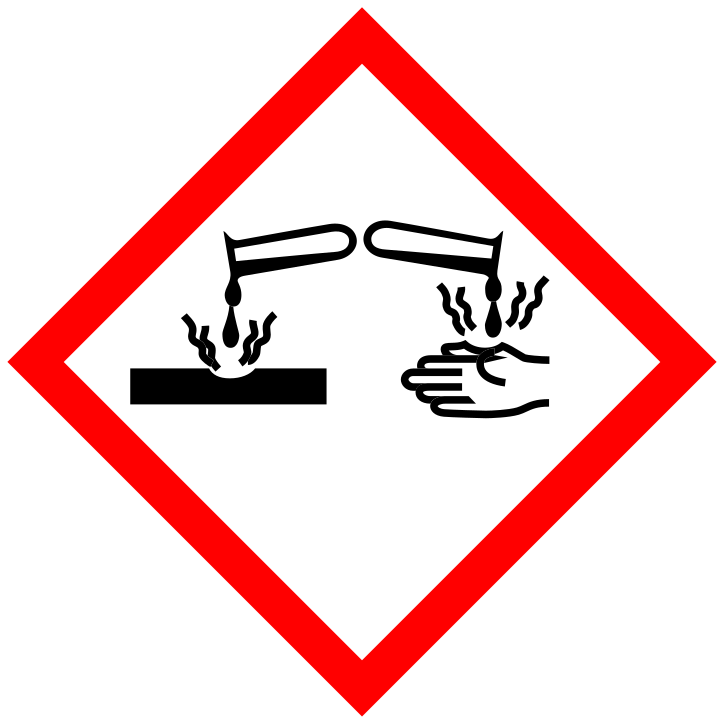
- H314: Causes severe skin burns and eye damage.
- H332: Harmful if inhaled.
- P223: Do not allow contact with water.
- P280: Wear protective gloves/protective clothing/eye protection/face protection.
DIIODOSILANE
CLP-Info
- H314: Causes severe skin burns and eye damage.
- H317: May cause an allergic skin reaction.
- H334: May cause allergy or asthma symptoms or breathing difficulties if inhaled.
- H361: Suspected of damaging fertility or the unborn child .
- P280: Wear protective gloves/protective clothing/eye protection/face protection.
- P310: Immediately call a POISON CENTER/doctor/
DIIODOTRIPHENYLPHOSPHORANE, TECH., 90%
DIIRON NONACARBONYL, 98%
Diisobutylaluminiumhydrid (20%ige Lösung in n-Hexan) zur Synthese
DIISOBUTYLALUMINIUMHYDRID, 20 GEW. % LÖSUNG IN TOLUOL, 1.2M,ACROSEAL§3
CLP-Info
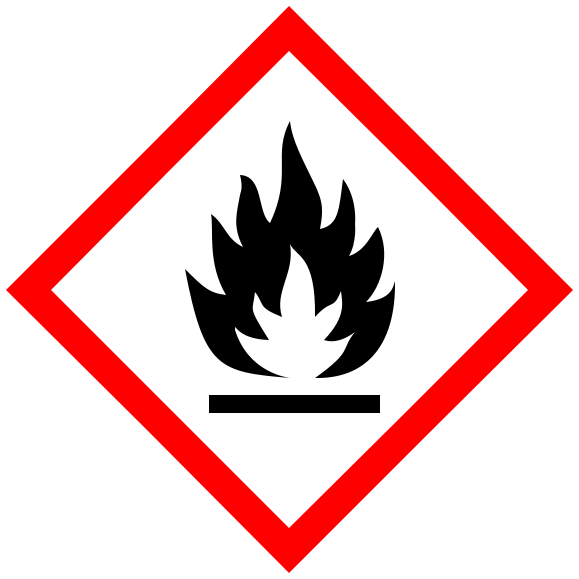
- H225: Highly flammable liquid and vapour.
- H250: Catches fire spontaneously if exposed to air.
- H261: In contact with water releases flammable gases.
- H314: Causes severe skin burns and eye damage.
- P210: Keep away from heat, hot surfaces, sparks, open flames and other ignition sources. No smoking.
- P222: Do not allow contact with air.
- P280: Wear protective gloves/protective clothing/eye protection/face protection.
DIISOBUTYLALUMINUM HYDRIDE
CLP-Info
- H225: Highly flammable liquid and vapour.
- H250: Catches fire spontaneously if exposed to air.
- H261: In contact with water releases flammable gases.
- H304: May be fatal if swallowed and enters airways.
- H314: Causes severe skin burns and eye damage.
- H336: May cause drowsiness or dizziness.
- H361f: Suspected of damaging fertility.
- H373: May cause damage to organs through prolonged or repeated exposure .
- H411: Toxic to aquatic life with long lasting effects.
- P210: Keep away from heat, hot surfaces, sparks, open flames and other ignition sources. No smoking.
- P222: Do not allow contact with air.
- P261: Avoid breathing dust/fume/gas/mist/vapours/spray.
- P273: Avoid release to the environment.
DIISOBUTYLALUMINUM HYDRIDE, 1.0M SOLUTIO N IN HEXANES
DIISOBUTYLALUMINUM HYDRIDE, 1.0M SOLUTIO N IN HEPTANE
CLP-Info
- H225: Highly flammable liquid and vapour.
- H250: Catches fire spontaneously if exposed to air.
- H261: In contact with water releases flammable gases.
- H314: Causes severe skin burns and eye damage.
- H351: Suspected of causing cancer .
- P210: Keep away from heat, hot surfaces, sparks, open flames and other ignition sources. No smoking.
- P222: Do not allow contact with air.
- P280: Wear protective gloves/protective clothing/eye protection/face protection.
DIISOBUTYLALUMINUM HYDRIDE, 1.0M SOLUTIO N IN DICHLOROMETHANE
CLP-Info
- H225: Highly flammable liquid and vapour.
- H250: Catches fire spontaneously if exposed to air.
- H260: In contact with water releases flammable gases which may ignite spontaneously.
- H302: Harmful if swallowed.
- H314: Causes severe skin burns and eye damage.
- H335: May cause respiratory irritation.
- H336: May cause drowsiness or dizziness.
- H351: Suspected of causing cancer .
- EUH014: Reacts violently with water.
- EUH019: May form explosive peroxides.
- P210: Keep away from heat, hot surfaces, sparks, open flames and other ignition sources. No smoking.
- P231+P232: Handle and store contents under inert gas/. Protect from moisture.
- P280: Wear protective gloves/protective clothing/eye protection/face protection.
- P303+P361+P353: IF ON SKIN (or hair): Take off immediately all contaminated clothing. Rinse skin with water [or shower].
- P305+P351+P338: IF IN EYES: Rinse cautiously with water for several minutes. Remove contact lenses, if present and easy to do. Continue rinsing.
- P370+P378: In case of fire: Use dry sand, dry chemical or alcohol-resistant foam to extinguish.
DIISOBUTYLALUMINUM HYDRIDE, 1.0M SOLUTIO N IN TETRAHYDROFURAN
CLP-Info
- H225: Highly flammable liquid and vapour.
- H250: Catches fire spontaneously if exposed to air.
- H260: In contact with water releases flammable gases which may ignite spontaneously.
- H304: May be fatal if swallowed and enters airways.
- H314: Causes severe skin burns and eye damage.
- H336: May cause drowsiness or dizziness.
- H361d: Suspected of damaging the unborn child.
- H373: May cause damage to organs through prolonged or repeated exposure .
- H412: Harmful to aquatic life with long lasting effects.
- EUH014: Reacts violently with water.
- P210: Keep away from heat, hot surfaces, sparks, open flames and other ignition sources. No smoking.
- P231+P232: Handle and store contents under inert gas/. Protect from moisture.
- P280: Wear protective gloves/protective clothing/eye protection/face protection.
- P301+P330+P331: IF SWALLOWED: Rinse mouth. Do NOT induce vomiting.
- P303+P361+P353: IF ON SKIN (or hair): Take off immediately all contaminated clothing. Rinse skin with water [or shower].
- P304+P340: IF INHALED: Remove person to fresh air and keep comfortable for breathing.
- P305+P351+P338: IF IN EYES: Rinse cautiously with water for several minutes. Remove contact lenses, if present and easy to do. Continue rinsing.
- P310: Immediately call a POISON CENTER/doctor/
- P370+P378: In case of fire: Use dry sand, dry chemical or alcohol-resistant foam to extinguish.
DIISOBUTYLALUMINUM HYDRIDE, 1.0M SOLUTIO N IN TOLUENE
CLP-Info
- H225: Highly flammable liquid and vapour.
- H250: Catches fire spontaneously if exposed to air.
- H261: In contact with water releases flammable gases.
- H304: May be fatal if swallowed and enters airways.
- H314: Causes severe skin burns and eye damage.
- H336: May cause drowsiness or dizziness.
- H410: Very toxic to aquatic life with long lasting effects.
- P210: Keep away from heat, hot surfaces, sparks, open flames and other ignition sources. No smoking.
- P222: Do not allow contact with air.
- P261: Avoid breathing dust/fume/gas/mist/vapours/spray.
- P273: Avoid release to the environment.
DIISOBUTYLALUMINUM HYDRIDE, 1.0M SOLUTIO N IN CYCLOHEXANE
CLP-Info
- H225: Highly flammable liquid and vapour.
- H250: Catches fire spontaneously if exposed to air.
- H260: In contact with water releases flammable gases which may ignite spontaneously.
- H304: May be fatal if swallowed and enters airways.
- H314: Causes severe skin burns and eye damage.
- H336: May cause drowsiness or dizziness.
- H361d: Suspected of damaging the unborn child.
- H373: May cause damage to organs through prolonged or repeated exposure .
- EUH014: Reacts violently with water.
Diisobutylaluminum hydride, 1.2 M (20 wt%) solution in toluene
CLP-Info
- H225: Highly flammable liquid and vapour.
- H250: Catches fire spontaneously if exposed to air.
- H260: In contact with water releases flammable gases which may ignite spontaneously.
- H304: May be fatal if swallowed and enters airways.
- H314: Causes severe skin burns and eye damage.
- H336: May cause drowsiness or dizziness.
- H361d: Suspected of damaging the unborn child.
- EUH014: Reacts violently with water.
Diisobutylaluminum hydride, 1M solution in toluene
CLP-Info
- H225: Highly flammable liquid and vapour.
- H250: Catches fire spontaneously if exposed to air.
- H260: In contact with water releases flammable gases which may ignite spontaneously.
- H304: May be fatal if swallowed and enters airways.
- H314: Causes severe skin burns and eye damage.
- H336: May cause drowsiness or dizziness.
- H361d: Suspected of damaging the unborn child.
- H373: May cause damage to organs through prolonged or repeated exposure .
- P210: Keep away from heat, hot surfaces, sparks, open flames and other ignition sources. No smoking.
- P222: Do not allow contact with air.
- P223: Do not allow contact with water.
DIISOBUTYLALUMINUM HYDRIDE, 25 WT. % (1. 5M) SOLUTION IN TOLUENE
CLP-Info
- H225: Highly flammable liquid and vapour.
- H261: In contact with water releases flammable gases.
- H304: May be fatal if swallowed and enters airways.
- H315: Causes skin irritation.
- H336: May cause drowsiness or dizziness.
- H361d: Suspected of damaging the unborn child.
- H373: May cause damage to organs through prolonged or repeated exposure .
- P210: Keep away from heat, hot surfaces, sparks, open flames and other ignition sources. No smoking.
- P261: Avoid breathing dust/fume/gas/mist/vapours/spray.
DIISOPROPYL ZINC, 1.0M SOLUTION IN TOLU
Diisopropyldimethoxysilan zur Synthese
CLP-Info
- H226: Flammable liquid and vapour.
- H315: Causes skin irritation.
- H317: May cause an allergic skin reaction.
- H412: Harmful to aquatic life with long lasting effects.
- P210: Keep away from heat, hot surfaces, sparks, open flames and other ignition sources. No smoking.
Diisopropyldimethoxysilane
DIISOPROPYLDIMETHOXYSILANE
CLP-Info
- H301: Toxic if swallowed.
- H311: Toxic in contact with skin.
- H331: Toxic if inhaled.
- P261: Avoid breathing dust/fume/gas/mist/vapours/spray.
- P280: Wear protective gloves/protective clothing/eye protection/face protection.
- P311: Call a POISON CENTER/doctor/
DIMANGANESE DECACARBONYL, 98%