Filter products
Metalloorganic compounds
CLP-Info
- H225: Highly flammable liquid and vapour.
- H300: Fatal if swallowed.
- H304: May be fatal if swallowed and enters airways.
- H311: Toxic in contact with skin.
- H315: Causes skin irritation.
- H330: Fatal if inhaled.
- H336: May cause drowsiness or dizziness.
- H361d: Suspected of damaging the unborn child.
- H373: May cause damage to organs through prolonged or repeated exposure .
- H400: Very toxic to aquatic life.
- P210: Keep away from heat, hot surfaces, sparks, open flames and other ignition sources. No smoking.
- P260: Do not breathe dust/fume/gas/mist/vapours/spray.
- P264: Wash thoroughly after handling.
- P273: Avoid release to the environment.
- P280: Wear protective gloves/protective clothing/eye protection/face protection.
- P284: [In case of inadequate ventilation] wear respiratory protection.
DIETHYLALUMINUM CYANIDE, 1.0M SOLUTION I N TOLUENE
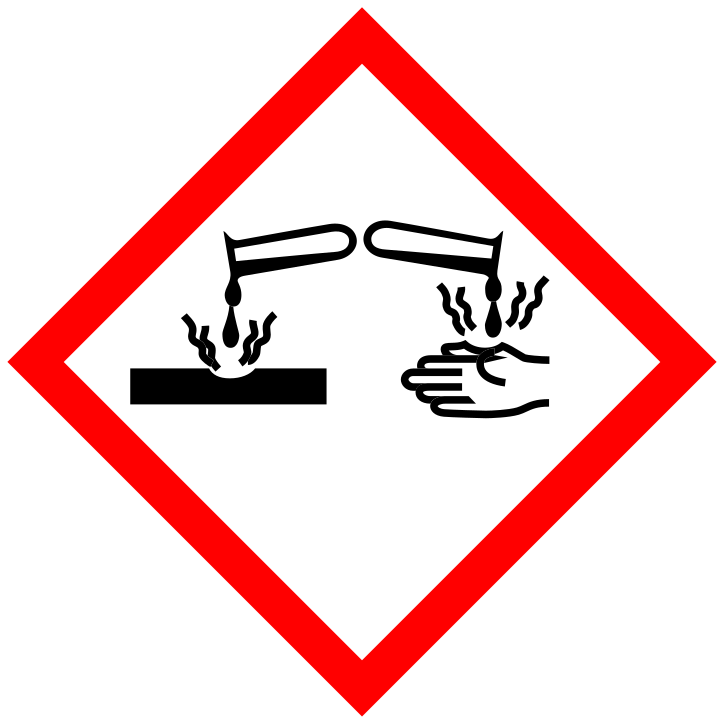
CLP-Info
- H225: Highly flammable liquid and vapour.
- H250: Catches fire spontaneously if exposed to air.
- H314: Causes severe skin burns and eye damage.
- P210: Keep away from heat, hot surfaces, sparks, open flames and other ignition sources. No smoking.
- P222: Do not allow contact with air.
- P231: Handle and store contents under inert gas/
- P280: Wear protective gloves/protective clothing/eye protection/face protection.
DIETHYLALUMINUM ETHOXIDE, 97%
CLP-Info
- H302: Harmful if swallowed.
- H312: Harmful in contact with skin.
- H319: Causes serious eye irritation.
- H332: Harmful if inhaled.
- H335: May cause respiratory irritation.
- P261: Avoid breathing dust/fume/gas/mist/vapours/spray.
- P280: Wear protective gloves/protective clothing/eye protection/face protection.
DIETHYLGERMANIUM DICHLORIDE, 97%
DIETHYLMETHOXYBORANE, 1.0M SOLUTION IN T ETRAHYDROFURAN
CLP-Info
- H225: Highly flammable liquid and vapour.
- H302: Harmful if swallowed.
- H314: Causes severe skin burns and eye damage.
- H317: May cause an allergic skin reaction.
- H318: Causes serious eye damage.
- H335: May cause respiratory irritation.
- H351: Suspected of causing cancer .
- H373: May cause damage to organs through prolonged or repeated exposure .
- EUH019: May form explosive peroxides.
- P210: Keep away from heat, hot surfaces, sparks, open flames and other ignition sources. No smoking.
- P303+P361+P353: IF ON SKIN (or hair): Take off immediately all contaminated clothing. Rinse skin with water [or shower].
- P305+P351+P338: IF IN EYES: Rinse cautiously with water for several minutes. Remove contact lenses, if present and easy to do. Continue rinsing.
- P405: Store locked up.
Diethylmethoxyborane, 1M soln in THF
CLP-Info
- H225: Highly flammable liquid and vapour.
- H250: Catches fire spontaneously if exposed to air.
- H302: Harmful if swallowed.
- H312: Harmful in contact with skin.
- H314: Causes severe skin burns and eye damage.
- H317: May cause an allergic skin reaction.
- H332: Harmful if inhaled.
- H373: May cause damage to organs through prolonged or repeated exposure .
- H413: May cause long lasting harmful effects to aquatic life.
Diethylmethoxyborane, 1M solution in THF
CLP-Info
- H315: Causes skin irritation.
- H319: Causes serious eye irritation.
- H335: May cause respiratory irritation.
- P261: Avoid breathing dust/fume/gas/mist/vapours/spray.
DIETHYLPHENYLPHOSPHINE, 96%
CLP-Info
- H302: Harmful if swallowed.
DIETHYLPHOSPHONOACETIC ACID, 95%
CLP-Info
- H225: Highly flammable liquid and vapour.
- H250: Catches fire spontaneously if exposed to air.
- H260: In contact with water releases flammable gases which may ignite spontaneously.
- H304: May be fatal if swallowed and enters airways.
- H314: Causes severe skin burns and eye damage.
- H336: May cause drowsiness or dizziness.
- H361: Suspected of damaging fertility or the unborn child .
- H372: Causes damage to organs through prolonged or repeated exposure .
- H411: Toxic to aquatic life with long lasting effects.
- P210: Keep away from heat, hot surfaces, sparks, open flames and other ignition sources. No smoking.
- P231+P232: Handle and store contents under inert gas/. Protect from moisture.
- P280: Wear protective gloves/protective clothing/eye protection/face protection.
- P301+P330+P331: IF SWALLOWED: Rinse mouth. Do NOT induce vomiting.
- P303+P361+P353: IF ON SKIN (or hair): Take off immediately all contaminated clothing. Rinse skin with water [or shower].
- P304+P340: IF INHALED: Remove person to fresh air and keep comfortable for breathing.
- P305+P351+P338: IF IN EYES: Rinse cautiously with water for several minutes. Remove contact lenses, if present and easy to do. Continue rinsing.
- P310: Immediately call a POISON CENTER/doctor/
- P370+P378: In case of fire: Use dry sand, dry chemical or alcohol-resistant foam to extinguish.
DIETHYLZINC, 1.0M SOLUTION IN HEXANES
CLP-Info
- H225: Highly flammable liquid and vapour.
- H250: Catches fire spontaneously if exposed to air.
- H260: In contact with water releases flammable gases which may ignite spontaneously.
- H304: May be fatal if swallowed and enters airways.
- H314: Causes severe skin burns and eye damage.
- H336: May cause drowsiness or dizziness.
- H410: Very toxic to aquatic life with long lasting effects.
- P210: Keep away from heat, hot surfaces, sparks, open flames and other ignition sources. No smoking.
- P222: Do not allow contact with air.
- P223: Do not allow contact with water.
DIETHYLZINC, 1.0M SOLUTION IN HEPTANE
CLP-Info
- H225: Highly flammable liquid and vapour.
- H250: Catches fire spontaneously if exposed to air.
- H260: In contact with water releases flammable gases which may ignite spontaneously.
- H304: May be fatal if swallowed and enters airways.
- H314: Causes severe skin burns and eye damage.
- H336: May cause drowsiness or dizziness.
- H361d: Suspected of damaging the unborn child.
- H373: May cause damage to organs through prolonged or repeated exposure .
- H410: Very toxic to aquatic life with long lasting effects.
- P210: Keep away from heat, hot surfaces, sparks, open flames and other ignition sources. No smoking.
- P222: Do not allow contact with air.
- P223: Do not allow contact with water.
DIETHYLZINC, 15 WT. % (1.1M) SOLUTION IN TOLUENE
CLP-Info
- H225: Highly flammable liquid and vapour.
- H250: Catches fire spontaneously if exposed to air.
- H260: In contact with water releases flammable gases which may ignite spontaneously.
- H304: May be fatal if swallowed and enters airways.
- H314: Causes severe skin burns and eye damage.
- H336: May cause drowsiness or dizziness.
- H361d: Suspected of damaging the unborn child.
- H373: May cause damage to organs through prolonged or repeated exposure .
- H411: Toxic to aquatic life with long lasting effects.
- P210: Keep away from heat, hot surfaces, sparks, open flames and other ignition sources. No smoking.
- P261: Avoid breathing dust/fume/gas/mist/vapours/spray.
- P280: Wear protective gloves/protective clothing/eye protection/face protection.
- P304+P340: IF INHALED: Remove person to fresh air and keep comfortable for breathing.
- P305+P351+P338: IF IN EYES: Rinse cautiously with water for several minutes. Remove contact lenses, if present and easy to do. Continue rinsing.
- P310: Immediately call a POISON CENTER/doctor/
Diethylzinc, 15% in toluene
CLP-Info
- H250: Catches fire spontaneously if exposed to air.
- H260: In contact with water releases flammable gases which may ignite spontaneously.
- H314: Causes severe skin burns and eye damage.
- H410: Very toxic to aquatic life with long lasting effects.
- P222: Do not allow contact with air.
- P223: Do not allow contact with water.
- P273: Avoid release to the environment.
DIETHYLZINC, 52.0 WT.% ZN (MINIMUM)
CLP-Info
- H224: Extremely flammable liquid and vapour.
- H250: Catches fire spontaneously if exposed to air.
- H260: In contact with water releases flammable gases which may ignite spontaneously.
- H314: Causes severe skin burns and eye damage.
- H400: Very toxic to aquatic life.
- H410: Very toxic to aquatic life with long lasting effects.
Diethylzinc, 95%, 10 wt% in hexane
CLP-Info
- H225: Highly flammable liquid and vapour.
- H250: Catches fire spontaneously if exposed to air.
- H260: In contact with water releases flammable gases which may ignite spontaneously.
- H314: Causes severe skin burns and eye damage.
- H400: Very toxic to aquatic life.
- H410: Very toxic to aquatic life with long lasting effects.
- EUH014: Reacts violently with water.
Diethylzinc, 95%, contained in 50 ml Swagelok cylinder for CVD/ALD
CLP-Info
- H225: Highly flammable liquid and vapour.
- H250: Catches fire spontaneously if exposed to air.
- H260: In contact with water releases flammable gases which may ignite spontaneously.
- H314: Causes severe skin burns and eye damage.
- H400: Very toxic to aquatic life.
- H410: Very toxic to aquatic life with long lasting effects.
- EUH014: Reacts violently with water.
Diethylzinc, 95%, contained in high-temp. 50 ml Swagelok cylinder for CVD/ALD
CLP-Info
- H225: Highly flammable liquid and vapour.
- H250: Catches fire spontaneously if exposed to air.
- H260: In contact with water releases flammable gases which may ignite spontaneously.
- H314: Causes severe skin burns and eye damage.
- H400: Very toxic to aquatic life.
- H410: Very toxic to aquatic life with long lasting effects.
Diethylzinc, elec. gr., (99.9998% Zn) PURATREM, steel cylinder extra
CLP-Info
- H315: Causes skin irritation.
- H319: Causes serious eye irritation.
- H335: May cause respiratory irritation.
- P261: Avoid breathing dust/fume/gas/mist/vapours/spray.
DIHYDRIDOTETRAKIS(TRIPHENYLPHOSPHINE)R UTHENIUM(II)
CLP-Info
- H302: Harmful if swallowed.
- H319: Causes serious eye irritation.
- H412: Harmful to aquatic life with long lasting effects.
- P273: Avoid release to the environment.
DIIODO(P-CYMENE)RUTHENIUM(II) DIMER