Filter products
Photometric analyses (cuvette tests)
ASCORBIC ACID TEST,REFLECTOQUANT
CLP-Info
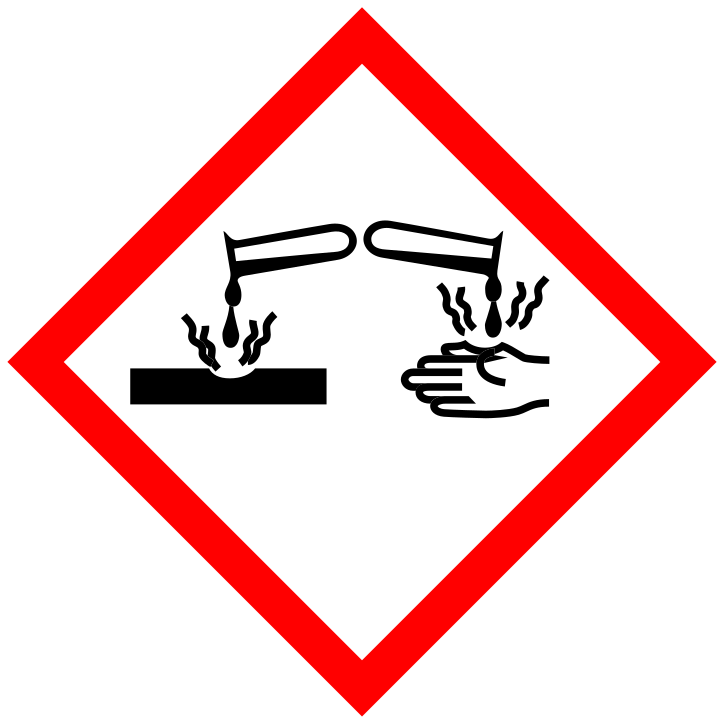
- H290: May be corrosive to metals.
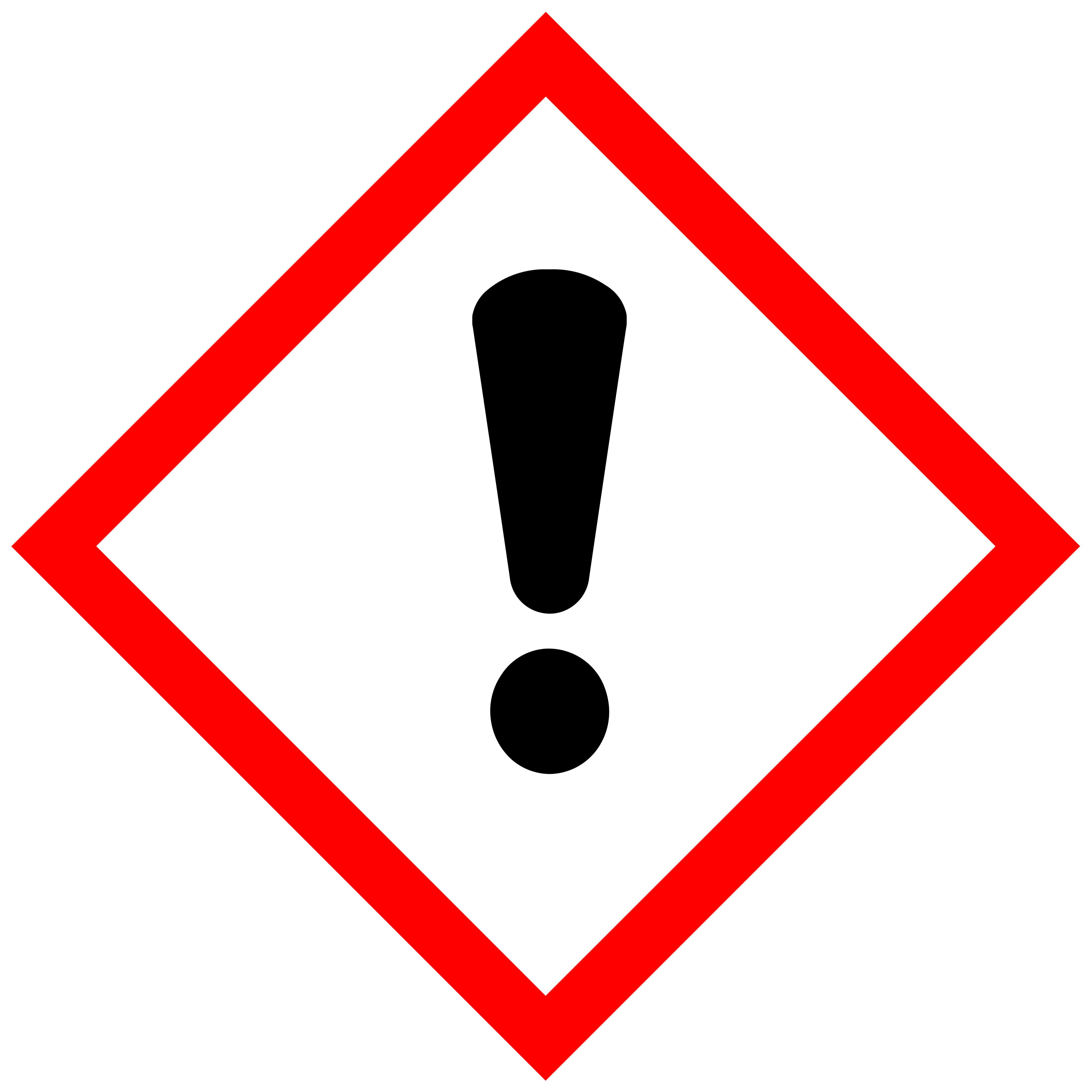
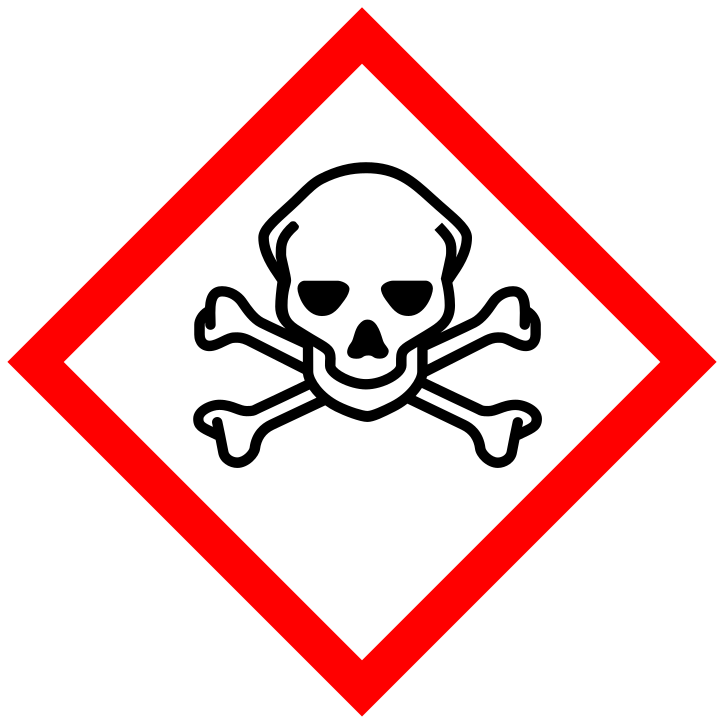
- H302: Harmful if swallowed.
- H314: Causes severe skin burns and eye damage.
- H315: Causes skin irritation.
- H317: May cause an allergic skin reaction.
- H319: Causes serious eye irritation.
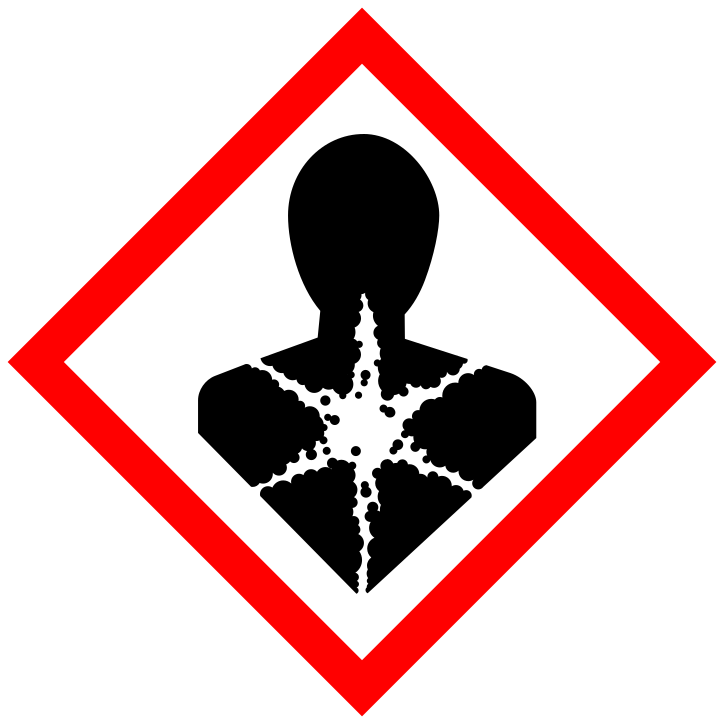
- H334: May cause allergy or asthma symptoms or breathing difficulties if inhaled.
- H335: May cause respiratory irritation.
- H361d: Suspected of damaging the unborn child.
- P201: Obtain special instructions before use.
- P260: Do not breathe dust/fume/gas/mist/vapours/spray.
- P261: Avoid breathing dust/fume/gas/mist/vapours/spray.
- P264: Wash face, hands and any exposed skin thoroughly after handling.
- P280: Wear protective gloves/protective clothing/eye protection/face protection.
- P301+P330+P331: IF SWALLOWED: Rinse mouth. Do NOT induce vomiting.
- P303+P361+P353: IF ON SKIN (or hair): Take off immediately all contaminated clothing. Rinse skin with water [or shower].
- P304+P340: IF INHALED: Remove person to fresh air and keep comfortable for breathing.
- P305+P351+P338: IF IN EYES: Rinse cautiously with water for several minutes. Remove contact lenses, if present and easy to do. Continue rinsing.
- P308+P313: IF exposed or concerned: Get medical advice/attention.
- P310: Immediately call a POISON CENTER/doctor/
- P342+P311: If experiencing respiratory symptoms: Call a POISON CENTER/doctor/
- P362+P364: Take off contaminated clothing and wash it before reuse.
- P390: Absorb spillage to prevent material damage.
Chromium (III and VI) cuvette test measuring range 0.03-1.0 mg/l*
CLP-Info
- H290: May be corrosive to metals.
- H302: Harmful if swallowed.
- H311: Toxic in contact with skin.
- H314: Causes severe skin burns and eye damage.
- H332: Harmful if inhaled.
- H340: May cause genetic defects .
- H350: May cause cancer .
- H373: May cause damage to organs through prolonged or repeated exposure .
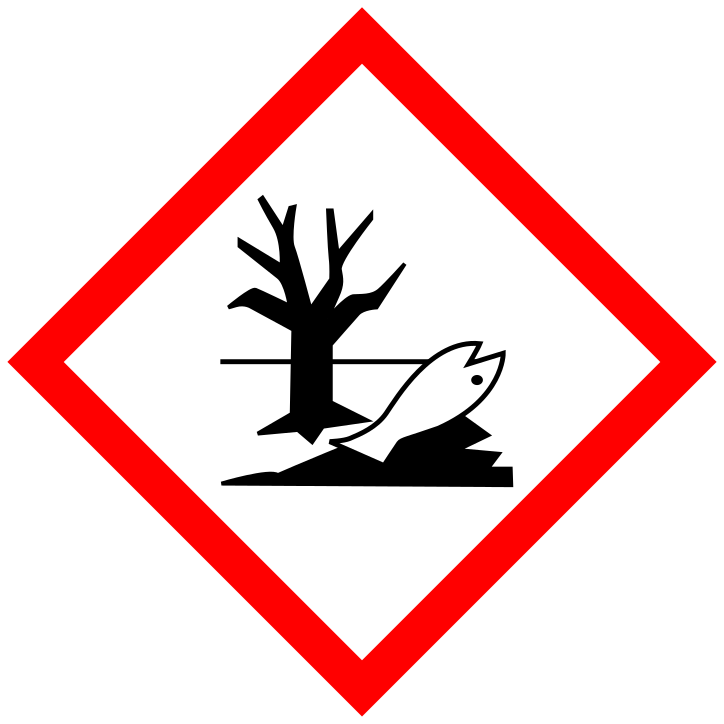
- H410: Very toxic to aquatic life with long lasting effects.
- EUH208: Contains Contains: potassium dichromate. May cause allergic reactions. May produce an allergic reaction.
- P201: Obtain special instructions before use.
- P260: Do not breathe dust/fume/gas/mist/vapours/spray.
- P273: Avoid release to the environment.
- P280: Wear protective gloves/protective clothing/eye protection/face protection.
- P303+P361+P353: IF ON SKIN (or hair): Take off immediately all contaminated clothing. Rinse skin with water [or shower].
- P305+P351+P338: IF IN EYES: Rinse cautiously with water for several minutes. Remove contact lenses, if present and easy to do. Continue rinsing.
- P308+P313: IF exposed or concerned: Get medical advice/attention.
- P310: Immediately call a POISON CENTER/doctor/
- P391: Collect spillage.
COD cuvette test - ISO 15705 measuring range 0-1000 mg/l
CLP-Info
- H290: May be corrosive to metals.
- H302: Harmful if swallowed.
- H311: Toxic in contact with skin.
- H314: Causes severe skin burns and eye damage.
- H332: Harmful if inhaled.
- H373: May cause damage to organs through prolonged or repeated exposure .
- H410: Very toxic to aquatic life with long lasting effects.
- EUH208: Contains Contains: potassium dichromate. May cause allergic reactions. May produce an allergic reaction.
- P260: Do not breathe dust/fume/gas/mist/vapours/spray.
- P273: Avoid release to the environment.
- P280: Wear protective gloves/protective clothing/eye protection/face protection.
- P301+P330+P331: IF SWALLOWED: Rinse mouth. Do NOT induce vomiting.
- P303+P361+P353: IF ON SKIN (or hair): Take off immediately all contaminated clothing. Rinse skin with water [or shower].
- P305+P351+P338: IF IN EYES: Rinse cautiously with water for several minutes. Remove contact lenses, if present and easy to do. Continue rinsing.
- P310: Immediately call a POISON CENTER/doctor/
- P391: Collect spillage.
COD cuvette test - ISO 15705 measuring range 0-150 mg/l
CLP-Info
- H290: May be corrosive to metals.
- H302: Harmful if swallowed.
- H311: Toxic in contact with skin.
- H314: Causes severe skin burns and eye damage.
- H332: Harmful if inhaled.
- H340: May cause genetic defects .
- H350: May cause cancer .
- H360FD: May damage fertility. May damage the unborn child.
- H373: May cause damage to organs through prolonged or repeated exposure .
- H410: Very toxic to aquatic life with long lasting effects.
- EUH208: Contains Contains: potassium dichromate. May cause allergic reactions. May produce an allergic reaction.
- P201: Obtain special instructions before use.
- P260: Do not breathe dust/fume/gas/mist/vapours/spray.
- P264: Wash face, hands and any exposed skin thoroughly after handling.
- P273: Avoid release to the environment.
- P280: Wear protective gloves/protective clothing/eye protection/face protection.
- P303+P361+P353: IF ON SKIN (or hair): Take off immediately all contaminated clothing. Rinse skin with water [or shower].
- P305+P351+P338: IF IN EYES: Rinse cautiously with water for several minutes. Remove contact lenses, if present and easy to do. Continue rinsing.
- P308+P313: IF exposed or concerned: Get medical advice/attention.
- P310: Immediately call a POISON CENTER/doctor/
- P391: Collect spillage.
COD cuvette test measuring range 1000-10,000 mg/l
CLP-Info
- H290: May be corrosive to metals.
- H302: Harmful if swallowed.
- H311: Toxic in contact with skin.
- H314: Causes severe skin burns and eye damage.
- H332: Harmful if inhaled.
- H340: May cause genetic defects .
- H350: May cause cancer .
- H360: May damage fertility or the unborn child .
- H373: May cause damage to organs through prolonged or repeated exposure .
- H410: Very toxic to aquatic life with long lasting effects.
- EUH208: Contains Contains: potassium dichromate. May cause allergic reactions. May produce an allergic reaction.
- P201: Obtain special instructions before use.
- P260: Do not breathe dust/fume/gas/mist/vapours/spray.
- P264: Wash face, hands and any exposed skin thoroughly after handling.
- P273: Avoid release to the environment.
- P280: Wear protective gloves/protective clothing/eye protection/face protection.
- P303+P361+P353: IF ON SKIN (or hair): Take off immediately all contaminated clothing. Rinse skin with water [or shower].
- P305+P351+P338: IF IN EYES: Rinse cautiously with water for several minutes. Remove contact lenses, if present and easy to do. Continue rinsing.
- P308+P313: IF exposed or concerned: Get medical advice/attention.
- P310: Immediately call a POISON CENTER/doctor/
- P391: Collect spillage.
COD cuvette test measuring range 100-2000 mg/l
Kollektion der 7 Einzelkomponenten von Testfarbstoffgemisch 3 Nr. 814013
Collection of the 3 individual components of the cation test mixture pack of 3 x 8 ml
Collection of the 4 individual components of the amino acid test mixture pack of 4 x 8 ml
Collection of the 7 individual components of test dye mixture 2, dissolved in chloroform pack of 7 x 8 ml UN 3316 Chemical Kit 9 II 0.056 kg|L
CLP-Info
- H290: May be corrosive to metals.
- H302: Harmful if swallowed.
- H311: Toxic in contact with skin.
- H314: Causes severe skin burns and eye damage.
- H332: Harmful if inhaled.
- H373: May cause damage to organs through prolonged or repeated exposure .
- H410: Very toxic to aquatic life with long lasting effects.
- P201: Obtain special instructions before use.
- P234: Keep only in original packaging.
- P260: Do not breathe dust/fume/gas/mist/vapours/spray.
- P273: Avoid release to the environment.
- P280: Wear protective gloves/protective clothing/eye protection/face protection.
- P303+P361+P353: IF ON SKIN (or hair): Take off immediately all contaminated clothing. Rinse skin with water [or shower].
- P305+P351+P338: IF IN EYES: Rinse cautiously with water for several minutes. Remove contact lenses, if present and easy to do. Continue rinsing.
- P310: Immediately call a POISON CENTER/doctor/
- P391: Collect spillage.
- P406: Store in a corrosion-resistant/ container with a resistant inner liner.
cuvette test CSB/COD/DCO measuring range 5-60 mg/l
CLP-Info
- H302: Harmful if swallowed.
- H314: Causes severe skin burns and eye damage.
- H317: May cause an allergic skin reaction.
- H318: Causes serious eye damage.
- H334: May cause allergy or asthma symptoms or breathing difficulties if inhaled.
- H410: Very toxic to aquatic life with long lasting effects.
- P260: Do not breathe dust/fume/gas/mist/vapours/spray.
- P264: Wash skin thoroughly after handling.
- P273: Avoid release to the environment.
- P280: Wear protective gloves/protective clothing/eye protection/face protection.
- P303+P361+P353: IF ON SKIN (or hair): Take off immediately all contaminated clothing. Rinse skin with water [or shower].
- P304+P340: IF INHALED: Remove person to fresh air and keep comfortable for breathing.
- P305+P351+P338: IF IN EYES: Rinse cautiously with water for several minutes. Remove contact lenses, if present and easy to do. Continue rinsing.
- P310: Immediately call a POISON CENTER/doctor/
- P391: Collect spillage.
Cyanide cuvette test 0.01-0.6 mg/L CN, 25 tests
CLP-Info
- H318: Causes serious eye damage.
- H319: Causes serious eye irritation.
- H410: Very toxic to aquatic life with long lasting effects.
- H411: Toxic to aquatic life with long lasting effects.
- EUH208: Contains mixture. May produce an allergic reaction.
- P264: Wash face, hands and any exposed skin thoroughly after handling.
- P273: Avoid release to the environment.
- P280: Wear protective gloves/protective clothing/eye protection/face protection.
- P305+P351+P338: IF IN EYES: Rinse cautiously with water for several minutes. Remove contact lenses, if present and easy to do. Continue rinsing.
- P310: Immediately call a POISON CENTER/doctor/
- P337+P313: If eye irritation persists: Get medical advice/attention.
- P391: Collect spillage.
- P501: Dispose of contents/container to to an approved waste disposal plant
Cynaide, easily-liberated, cuvette measuring range 0.03-0.35 mg/l *
Formaldehyde cuvette test 0.5-10 mg/L H₂CO, 24 tests
Sodium filter
LACTIC ACID TEST 1.0 -60.0 MG/L 50 TESTS REFLECTROQUANT
CLP-Info
- H334: May cause allergy or asthma symptoms or breathing difficulties if inhaled.
- P261: Avoid breathing dust/fume/gas/mist/vapours/spray.
- P284: [In case of inadequate ventilation] wear respiratory protection.
- P304+P340: IF INHALED: Remove person to fresh air and keep comfortable for breathing.
- P342+P311: If experiencing respiratory symptoms: Call a POISON CENTER/doctor/
- P501: Dispose of contents/container to
Lactose/Galactose Assay Kit (Rapid), 115 assays, for the rapid test of lactose, D-galactose and L-arabinose in food and plant products
CLP-Info
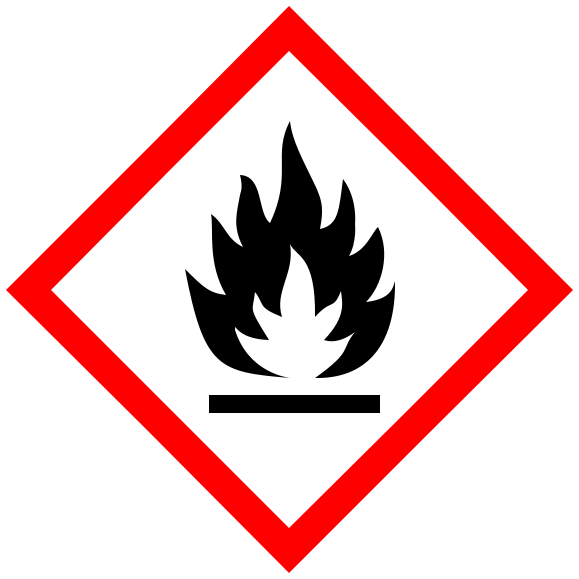
- H226: Flammable liquid and vapour.
- H290: May be corrosive to metals.
- H302: Harmful if swallowed.
- H314: Causes severe skin burns and eye damage.
- H315: Causes skin irritation.
- H317: May cause an allergic skin reaction.
- H319: Causes serious eye irritation.
- H334: May cause allergy or asthma symptoms or breathing difficulties if inhaled.
- H335: May cause respiratory irritation.
- H336: May cause drowsiness or dizziness.
- H360FD: May damage fertility. May damage the unborn child.
- P201: Obtain special instructions before use.
- P210: Keep away from heat, hot surfaces, sparks, open flames and other ignition sources. No smoking.
- P260: Do not breathe dust/fume/gas/mist/vapours/spray.
- P261: Avoid breathing dust/fume/gas/mist/vapours/spray.
- P264: Wash face, hands and any exposed skin thoroughly after handling.
- P280: Wear protective gloves/protective clothing/eye protection/face protection.
- P301+P330+P331: IF SWALLOWED: Rinse mouth. Do NOT induce vomiting.
- P303+P361+P353: IF ON SKIN (or hair): Take off immediately all contaminated clothing. Rinse skin with water [or shower].
- P304+P340: IF INHALED: Remove person to fresh air and keep comfortable for breathing.
- P305+P351+P338: IF IN EYES: Rinse cautiously with water for several minutes. Remove contact lenses, if present and easy to do. Continue rinsing.
- P308+P313: IF exposed or concerned: Get medical advice/attention.
- P310: Immediately call a POISON CENTER/doctor/
- P337+P313: If eye irritation persists: Get medical advice/attention.
- P342+P311: If experiencing respiratory symptoms: Call a POISON CENTER/doctor/
- P390: Absorb spillage to prevent material damage.
LATON cuvette test measuring range 20-100 mg/l TN *
CLP-Info
- H226: Flammable liquid and vapour.
- H290: May be corrosive to metals.
- H302: Harmful if swallowed.
- H314: Causes severe skin burns and eye damage.
- H315: Causes skin irritation.
- H317: May cause an allergic skin reaction.
- H319: Causes serious eye irritation.
- H334: May cause allergy or asthma symptoms or breathing difficulties if inhaled.
- H335: May cause respiratory irritation.
- H336: May cause drowsiness or dizziness.
- H360: May damage fertility or the unborn child .
- P201: Obtain special instructions before use.
- P260: Do not breathe dust/fume/gas/mist/vapours/spray.
- P261: Avoid breathing dust/fume/gas/mist/vapours/spray.
- P264: Wash face, hands and any exposed skin thoroughly after handling.
- P280: Wear protective gloves/protective clothing/eye protection/face protection.
- P301+P330+P331: IF SWALLOWED: Rinse mouth. Do NOT induce vomiting.
- P303+P361+P353: IF ON SKIN (or hair): Take off immediately all contaminated clothing. Rinse skin with water [or shower].
- P304+P340: IF INHALED: Remove person to fresh air and keep comfortable for breathing.
- P305+P351+P338: IF IN EYES: Rinse cautiously with water for several minutes. Remove contact lenses, if present and easy to do. Continue rinsing.
- P308+P313: IF exposed or concerned: Get medical advice/attention.
- P310: Immediately call a POISON CENTER/doctor/
- P342+P311: If experiencing respiratory symptoms: Call a POISON CENTER/doctor/
- P390: Absorb spillage to prevent material damage.
LATON TN cuvette test measuring range 1-16 mg/l TN *
CLP-Info
- H226: Flammable liquid and vapour.
- H290: May be corrosive to metals.
- H302: Harmful if swallowed.
- H314: Causes severe skin burns and eye damage.
- H315: Causes skin irritation.
- H317: May cause an allergic skin reaction.
- H319: Causes serious eye irritation.
- H334: May cause allergy or asthma symptoms or breathing difficulties if inhaled.
- H335: May cause respiratory irritation.
- H336: May cause drowsiness or dizziness.
- H360FD: May damage fertility. May damage the unborn child.
- P201: Obtain special instructions before use.
- P210: Keep away from heat, hot surfaces, sparks, open flames and other ignition sources. No smoking.
- P260: Do not breathe dust/fume/gas/mist/vapours/spray.
- P261: Avoid breathing dust/fume/gas/mist/vapours/spray.
- P264: Wash face, hands and any exposed skin thoroughly after handling.
- P280: Wear protective gloves/protective clothing/eye protection/face protection.
- P301+P330+P331: IF SWALLOWED: Rinse mouth. Do NOT induce vomiting.
- P303+P361+P353: IF ON SKIN (or hair): Take off immediately all contaminated clothing. Rinse skin with water [or shower].
- P304+P340: IF INHALED: Remove person to fresh air and keep comfortable for breathing.
- P305+P351+P338: IF IN EYES: Rinse cautiously with water for several minutes. Remove contact lenses, if present and easy to do. Continue rinsing.
- P308+P313: IF exposed or concerned: Get medical advice/attention.
- P310: Immediately call a POISON CENTER/doctor/
- P337+P313: If eye irritation persists: Get medical advice/attention.
- P342+P311: If experiencing respiratory symptoms: Call a POISON CENTER/doctor/
- P390: Absorb spillage to prevent material damage.
LATON TN cuvette test measuring range 5-40 mg/l TN *