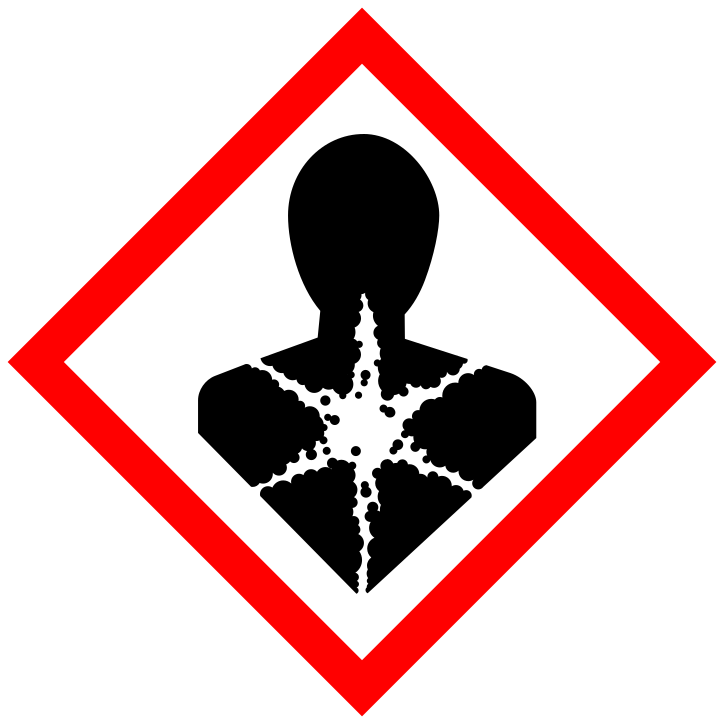
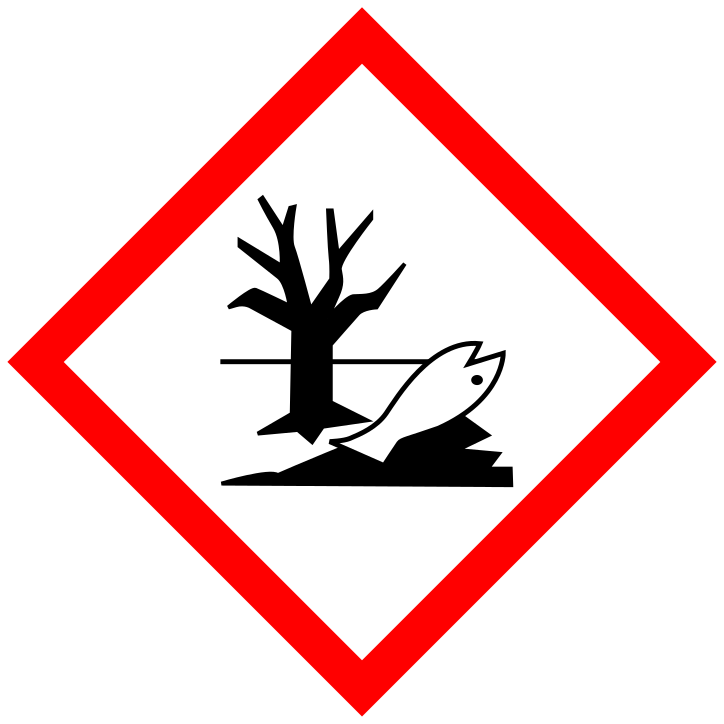
Filter products
COD
COD Standard Solution, CRM traceable to SRM from NIST 50000 mg/l in H2O
COD Standard, ROTI®Calipure 60000 mg O2/l in H2O
COLORIMETER PICCO COD / CSB SPECTROQUANT
CSB12-KW behrotest workstation CSB 12 probes
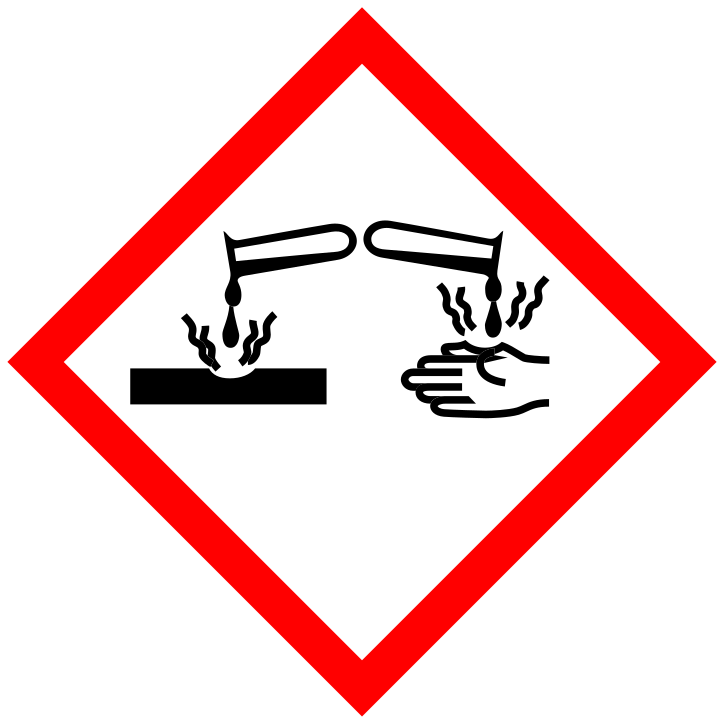
CLP-Info
- H290: May be corrosive to metals.
- H315: Causes skin irritation.
- H319: Causes serious eye irritation.
- P280: Wear protective gloves/protective clothing/eye protection/face protection.
- P302+P352: IF ON SKIN: Wash with plenty of water/
- P305+P351+P338: IF IN EYES: Rinse cautiously with water for several minutes. Remove contact lenses, if present and easy to do. Continue rinsing.
- P332+P313: If skin irritation occurs: Get medical advice/attention.
- P406: Store in a corrosion-resistant/ container with a resistant inner liner.
Digestion reagent I (D) 10 g K2S2O8 in sulfuric acid approx. 0.8 mol/l for determination of total P (CFA) according to integrated UV digestion according to EN ISO 15681-2:2004, DEV D46
CLP-Info
- H290: May be corrosive to metals.
- P234: Keep only in original packaging.
- P390: Absorb spillage to prevent material damage.
- P406: Store in a corrosion-resistant/ container with a resistant inner liner.
Digestion reagent II (C) 2,5 g K2S2O8 in sulfuric acid approx. 0.2 mol/l for determination of total P (CFA) according to integrated UV digestion according to EN ISO 15681-2:2004, DEV D46
DOSIERER/TITRATOR DT20 FUER CSB-BESTIMMUNG MIT KUEHLWANNE BUERETTEN, RUEHRER, 12 PROBEN
GERAETESYSTEM KOMPLETT, INKL. HEIZBLOCKTHERMOSTAT CSB 6/E, TEMP.-U.ZEITSTEUERGER. TRS 300
HCL-ABSORBER MIT KERN UND HUELSE NS 29/32, FRITTE P1 D: 25X65 MM, L: 180 MM GESAMT
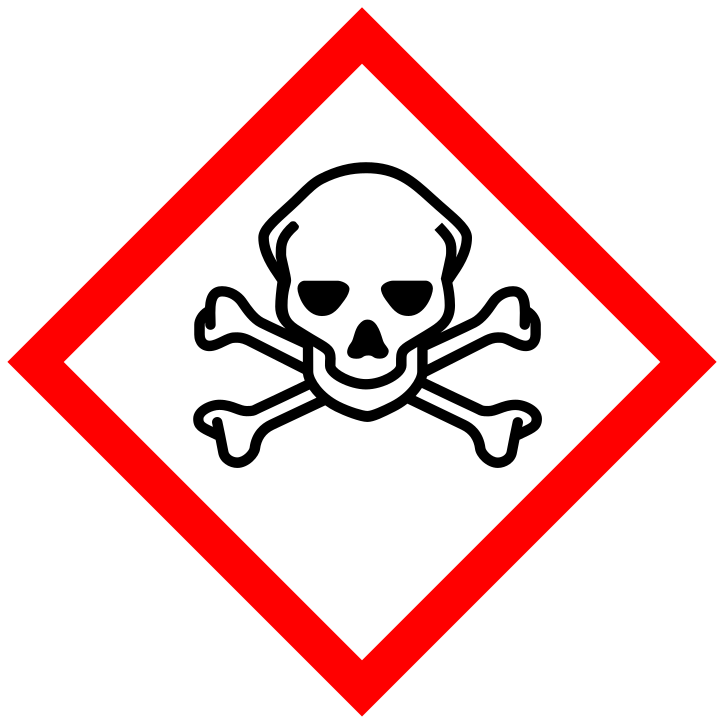
CLP-Info
- H290: May be corrosive to metals.
- H300+H310+H330: Fatal if swallowed, in contact with skin or if inhaled
- H315: Causes skin irritation.
- H319: Causes serious eye irritation.
- H373: May cause damage to organs through prolonged or repeated exposure .
- H411: Toxic to aquatic life with long lasting effects.
- P260: Do not breathe dust/fume/gas/mist/vapours/spray.
- P273: Avoid release to the environment.
- P301+P310: IF SWALLOWED: Immediately call a POISON CENTER/doctor/
- P305+P351+P338: IF IN EYES: Rinse cautiously with water for several minutes. Remove contact lenses, if present and easy to do. Continue rinsing.
- P405: Store locked up.
- P501: Dispose of contents/container to
Mercury(II) sulfate solution 80g HgSO4 + 50 ml H2SO4 96%/l for COD determination
CLP-Info
- H290: May be corrosive to metals.
- H300+H310+H330: Fatal if swallowed, in contact with skin or if inhaled
- H315: Causes skin irritation.
- H319: Causes serious eye irritation.
- H373: May cause damage to organs through prolonged or repeated exposure .
- H411: Toxic to aquatic life with long lasting effects.
- P260: Do not breathe dust/fume/gas/mist/vapours/spray.
- P273: Avoid release to the environment.
- P301+P310: IF SWALLOWED: Immediately call a POISON CENTER/doctor/
- P305+P351+P338: IF IN EYES: Rinse cautiously with water for several minutes. Remove contact lenses, if present and easy to do. Continue rinsing.
- P405: Store locked up.
- P501: Dispose of contents/container to
Mercury(II) sulfate solution 200 g/l 200 g HgSO4 + 100 ml H2SO4 96 %/l for COD determination according to DIN 38409-43:1981, DEV H43
CLP-Info
- H290: May be corrosive to metals.
- H300+H310+H330: Fatal if swallowed, in contact with skin or if inhaled
- H314: Causes severe skin burns and eye damage.
- H340: May cause genetic defects .
- H350: May cause cancer .
- H360FD: May damage fertility. May damage the unborn child.
- H373: May cause damage to organs through prolonged or repeated exposure .
Mercury(II) sulphate solution 80 g/l in, potassium dichromate 0,02 mol/l , in sulphuric acid
PA-CSB24 CSB-AUFSCHLUSSEINHEITFUER MAX. 24 PROBEN

CLP-Info
- H332: Harmful if inhaled.
- H340: May cause genetic defects .
- H350: May cause cancer .
- P201: Obtain special instructions before use.
- P202: Do not handle until all safety precautions have been read and understood.
- P261: Avoid breathing dust/fume/gas/mist/vapours/spray.
- P280: Wear protective gloves/protective clothing/eye protection/face protection.
- P405: Store locked up.
- P501: Dispose of contents/container to
Potassium dichromate solution 0.005 mol/l - 0.03 N solution in water for COD determination according to DIN 38409-44:1992, DEV H44
CLP-Info
- H340: May cause genetic defects .
- H350: May cause cancer .
- H360FD: May damage fertility. May damage the unborn child.
- H412: Harmful to aquatic life with long lasting effects.
- P202: Do not handle until all safety precautions have been read and understood.
- P273: Avoid release to the environment.
- P308+P313: IF exposed or concerned: Get medical advice/attention.
- P312: Call a POISON CENTRE/doctor/ if you feel unwell.
- P405: Store locked up.
Potassium dichromate solution 0.02 mol/l - 0.12 N solution in water for COD determination DIN 38409-41:1980, DEV H41 DIN 38409-43:1981, DEV H43
CLP-Info
- H302: Harmful if swallowed.
- H315: Causes skin irritation.
- H317: May cause an allergic skin reaction.
- H318: Causes serious eye damage.
- H330: Fatal if inhaled.
- H334: May cause allergy or asthma symptoms or breathing difficulties if inhaled.
- H340: May cause genetic defects .
- H350: May cause cancer .
- H360FD: May damage fertility. May damage the unborn child.
- H373: May cause damage to organs through prolonged or repeated exposure .
- H411: Toxic to aquatic life with long lasting effects.
- P201: Obtain special instructions before use.
- P260: Do not breathe dust/fume/gas/mist/vapours/spray.
- P273: Avoid release to the environment.
- P305+P351+P338: IF IN EYES: Rinse cautiously with water for several minutes. Remove contact lenses, if present and easy to do. Continue rinsing.
- P310: Immediately call a POISON CENTER/doctor/
- P405: Store locked up.
- P501: Dispose of contents/container to
Potassium dichromate solution 0.2 mol/l - 1.2 N solution in water for COD determination according to DIN 38414-9:1986, DEV S9
POTASSIUM DICHROMATE SOLUTION FOR DETERMINATION OF COD C(K2CR2O7) = 0.020 MOL/L Titripur®
CLP-Info
- H290: May be corrosive to metals.
- H300+H310+H330: Fatal if swallowed, in contact with skin or if inhaled
- H314: Causes severe skin burns and eye damage.
- H317: May cause an allergic skin reaction.
- H334: May cause allergy or asthma symptoms or breathing difficulties if inhaled.
- H340: May cause genetic defects .
- H350: May cause cancer .
- H360FD: May damage fertility. May damage the unborn child.
- H373: May cause damage to organs through prolonged or repeated exposure .
- H411: Toxic to aquatic life with long lasting effects.
- P201: Obtain special instructions before use.
- P260: Do not breathe dust/fume/gas/mist/vapours/spray.
- P273: Avoid release to the environment.
- P301+P310: IF SWALLOWED: Immediately call a POISON CENTER/doctor/
- P303+P361+P353: IF ON SKIN (or hair): Take off immediately all contaminated clothing. Rinse skin with water [or shower].
- P305+P351+P338: IF IN EYES: Rinse cautiously with water for several minutes. Remove contact lenses, if present and easy to do. Continue rinsing.
- P405: Store locked up.
- P501: Dispose of contents/container to
Potassium dichromate solution 0.2 mol - 1.2 N solution contains 80 g/l mercury(II) sulfate for potentiometric COD determination auxiliary solution for METROHM
CLP-Info
- H290: May be corrosive to metals.
- H300+H310+H330: Fatal if swallowed, in contact with skin or if inhaled
- H314: Causes severe skin burns and eye damage.
- H317: May cause an allergic skin reaction.
- H334: May cause allergy or asthma symptoms or breathing difficulties if inhaled.
- H340: May cause genetic defects .
- H350: May cause cancer .
- H360FD: May damage fertility. May damage the unborn child.
- H373: May cause damage to organs through prolonged or repeated exposure .
- H411: Toxic to aquatic life with long lasting effects.
- P201: Obtain special instructions before use.
- P260: Do not breathe dust/fume/gas/mist/vapours/spray.
- P273: Avoid release to the environment.
- P301+P310: IF SWALLOWED: Immediately call a POISON CENTER/doctor/
- P303+P361+P353: IF ON SKIN (or hair): Take off immediately all contaminated clothing. Rinse skin with water [or shower].
- P305+P351+P338: IF IN EYES: Rinse cautiously with water for several minutes. Remove contact lenses, if present and easy to do. Continue rinsing.
- P405: Store locked up.
- P501: Dispose of contents/container to
Potassium dichromate solution 0.2 mol/l - 1.2 N solution in 80 g/l mercury(II) sulfate-sulfuric acid for COD determination according to DIN 38414-9:1986, DEV S9
CLP-Info
- H315: Causes skin irritation.
- H317: May cause an allergic skin reaction.
- H319: Causes serious eye irritation.
- H330: Fatal if inhaled.
- H334: May cause allergy or asthma symptoms or breathing difficulties if inhaled.
- H340: May cause genetic defects .
- H350: May cause cancer .
- H360FD: May damage fertility. May damage the unborn child.
- H373: May cause damage to organs through prolonged or repeated exposure .
- H412: Harmful to aquatic life with long lasting effects.
- EUH203: Contains chromium (VI). May produce an allergic reaction.
- P260: Do not breathe dust/fume/gas/mist/vapours/spray.
- P273: Avoid release to the environment.
- P305+P351+P338: IF IN EYES: Rinse cautiously with water for several minutes. Remove contact lenses, if present and easy to do. Continue rinsing.
- P310: Immediately call a POISON CENTER/doctor/
- P405: Store locked up.
POTASSIUM DICHROMATE SOLUTION 1/24 MOL/L - 0,25 N SOLUTION IN WATER FOR COD DETERMINATION