










COD

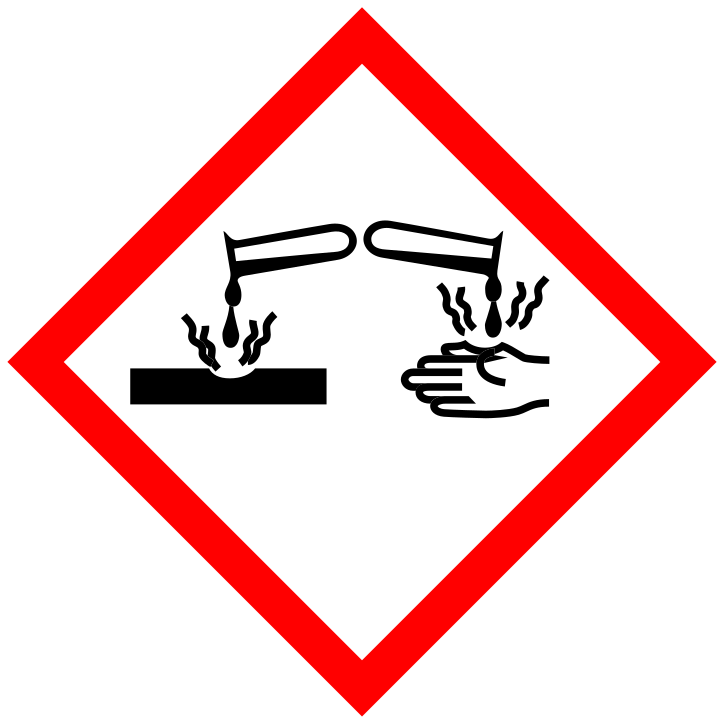
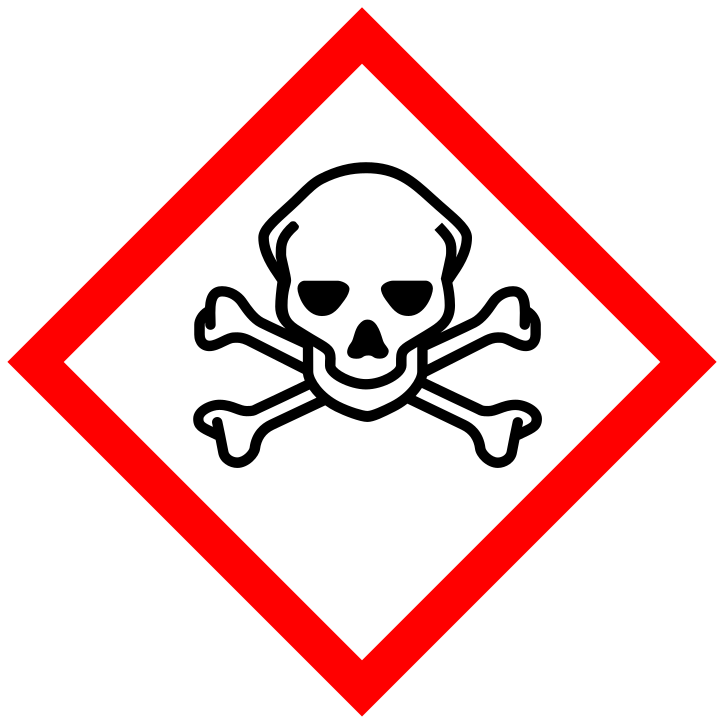
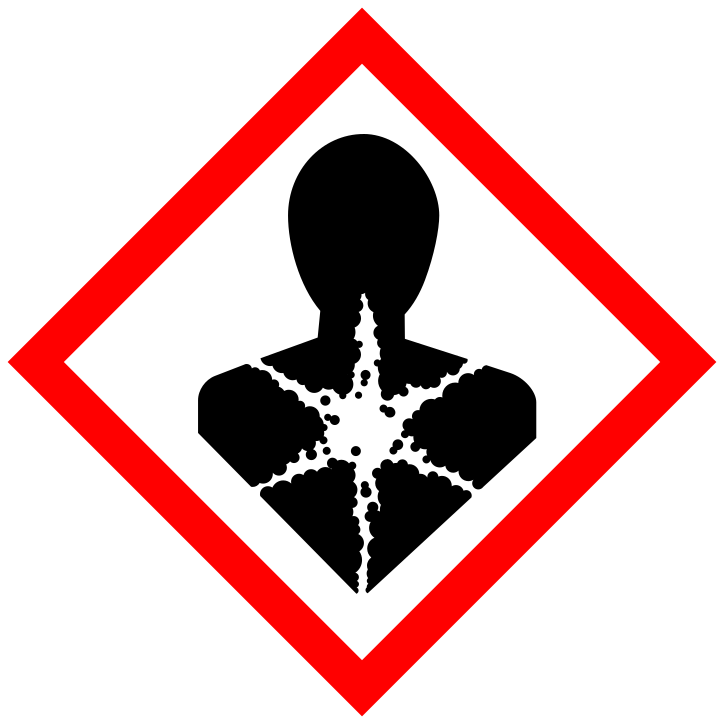
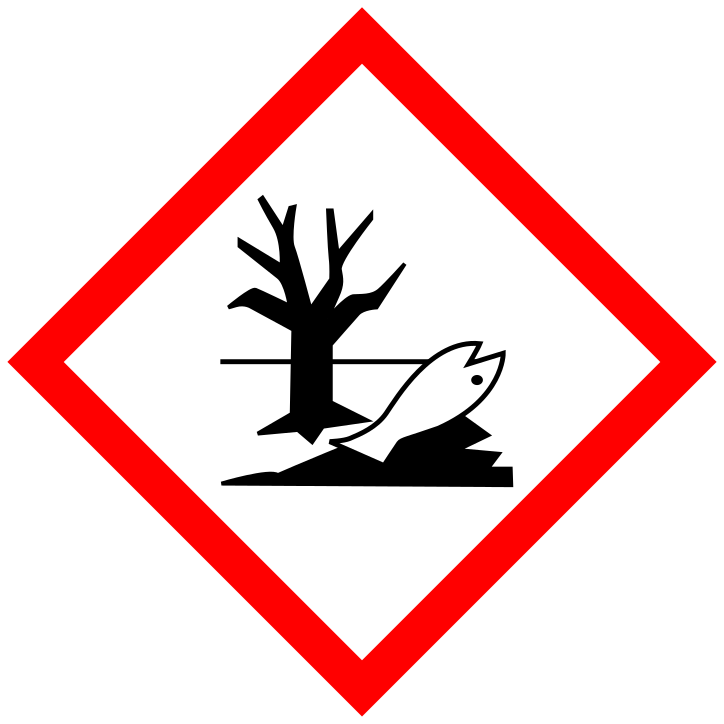 Danger
Mercury(II) sulfate solution for COD determination (80 g/l in potassium dichromate acidified with sulfuric acid)
 Danger
Silver sulfate solution for COD determination (10 g/l in sulfuric acid)
Danger
Silver sulphate solution for COD determination (10 g/l in sulphuric acid, acc. to DIN 38409- 41:1980 and DIN 38414-9:1986)

behrotest vessel holding frame for 12 vessels in COD heating block

 Danger
Due to the chemical properties suitable for various photometers (e.g. Lovibond®, Hach®) with 16 mm tube diameter.

The HTI 1 manual titration station consists ofa burette with digital display anda magnetic stirrer with a precisely fitting holder for COD reaction vessels. A screen serves as a neutral background and allows the user to determine the colour change at the end of the titration precisely. Therefore a titration could always carried out under similar visual conditions. This improves the precision and the reproducibility of the results.The precise positioning of the reaction vessels in the holder on the top of the magnetic stirrer also contributes to this. The angled wing of the screen protects against lateral dazzling light.

These standards are ideal for use as control standards to verify that correct analysis for COD has taken place. Extensive range (10 to 60000 ppm), NIST traceable, 2 years shelf-life. Bottles of 500 ml.

The cooling trough prevents the overheating of the COD samples during the critical addition of sulphuric acid. In addition, it is used to cool the samples after the heating phase.

The continuously adjustable COD series magnetic stirrer with 12 stirring points is used to mix the samples during the metering process. Due to its watertight casing and also its external power supply and control, it is suitable for use under water.

The continuously adjustable COD series magnetic stirrer with 12 stirring points is used to mix the samples during the metering process. Due to its watertight casing and also its external power supply and control, it is suitable for use under water.
 Danger
According to ISO 15705. This measuring station from Lovibond® allows the accurate, rapid, and economical determination of meaningful waste water COD levels (Chemical Oxygen Demand). Easy operation, even by unskilled operators. Comprises of COD photometer, 25 tube tests covering lower measuring ranges, a reactor block for sample digestion and a tube stand. Waterproof acc. to IP 68, 1 hour at 0.1 meter.Scope of supply: Instrument in carrying case, 4 batteries (AA), adapter for round vials diam. 16 mm, 2 sets of tube tests 0-150 mg/l and 0-1500 mg/l, thermoreactor RD 125, tube stand, 2 syringes, instruction manual.

COD metering funnels, placed on top of the COD reaction vessels, simplify the addition of sulphuric acid to several samples simultaneously.COD metering funnel together with a cooling trough and a series magnetic stirrer increase the safety and offer considerable relief to the user when determining the COD.

Unit configuration for simultaneous digestion of maximum 6 or 12 COD samples in acc. with ISO, DIN etc.A digestion unit consists of the following components:TRS 300 microprocessor-controlled time and temperature control unit with COD programCSB/E Precision heating block for RG 2 reaction vesselsE/B Insert and yoke type frame for RG 2 reaction vesselsKW/N Cooling trough with holder and stands for E/BRG 2 Reaction vesselsLK 1 COD air coolersLS Air cooler stands for LK COD air coolers

For COD determination. Complete workstations for simultaneous determination of maximum 6 or 12 samples in acc. with ISO, DIN etc. Manual metering and titration.A workstation consists of the following componentsTRS 300 Microprocessor-controlled time and temperature control unit with COD programCSB/E Precision heating block for RG 2 reaction vesselsE/B Insert and yoke type frame for RG 2 reaction vesselsKW/N Cooling trough with holder and stands for E/BSM 12/N Series magnetic stirrer for E 12/B insert/yoke type frame (only for PB-CSB 12/M)RG 2 Reaction vesselsMRST 2 Magnetic stirrer rod set , 12 rodsSIST 100 Boiling stones , contents 100 gLK1 COD Air coolersLS Air cooler stand for LK COD air coolersPTFE 29 PTFE Collars for LK 1, set of 12 collarsTS COD Transport stands for E/B insert/yoke type frameHTI 1 Manual titration station

To expel chloride, e.g. when determining the COD of sea water.
 Danger
Benchtop devices suitable for mobile use. For precise water control through high-precision optics and high-quality interference filters with long-term stable LEDs as light sources.Automatic shutdownReal time clock and dateAdjustment function displayIlluminated LCD-display

Routine device for waste water analysis. Thermoreactor with preset programmes for the digestion of standard parameters in reaction cuvettes. The CR2200 allows standard-compliant digestion with programmes for the standard parameters COD, total nitrogen, total phosphorus, TOC and heavy metals in galvanisation.1 thermoblock with 12 holes for reaction cells with an outer diameter of 16 mm8 stored programmes for all important digestions: 148 °C for 120 min; 148 °C for 20 min; 120 °C for 30 min; 120 °C for 60 min; 120 °C for 120 min; 150 °C for 120 min; 100 °C for 60 min, 100 °C for 30 minAutomatic temperature switch-off at the end of the set programmePower supply 115/230 VAC, 50/60 Hz

Thermoreactor with pre-programmed and user-defined programmes for the digestion of standard parameters in reaction cuvettes. The CR3200 allows standard-compliant digestions with programmes for the standard parameters COD, total nitrogen, total phosphorus, TOC and heavy metals in galvanisation. In addition, 8 separate programmes can be created for special digestions at temperatures between room temperature (25 °C) and 170 °C.2 thermoblocks with 12 holes each for reaction cells with an outer diameter of 16 mm8 stored programmes for all important digestions: 148 °C for 120 min; 148 °C for 20 min; 120 °C for 30 min; 120 °C for 60 min; 120 °C for 120 min; 150 °C for 120 min; 100 °C for 60 min, 100 °C for 30 minAutomatic temperature switch-off at the end of the set programmeAQA/IQK with optional external temperature sensor for documentationPower supply 115/230 VAC, 50/60 Hz

Thermoreactor with pre-programmed and user-defined programmes for the digestion of standard parameters in reaction cuvettes. The CR4200 allows standard-compliant digestions with programmes for the standard parameters COD, total nitrogen, total phosphorus, TOC and heavy metals in galvanisation. In addition, 8 separate programmes can be created for special digestions at temperatures between room temperature (25 °C) and 170 °C. Independent thermoblocks allow 2 different programmes to be run simultaneously.2 independent thermoblocks with 12 holes each for reaction cells with an outer diameter of 16 mm8 stored programmes for all important digestions: 148 °C for 120 min; 148 °C for 20 min; 120 °C for 30 min; 120 °C for 60 min; 120 °C for 120 min; 150 °C for 120 min; 100 °C for 60 min, 100 °C for 30 minAutomatic temperature switch-off at the end of the set programmeAQA/IQK with optional external temperature sensor for documentationPower supply 115/230 VAC, 50/60 Hz

Programmable control unit for behrotest® digester blocks.behr one-button operation for particularly easy and quick programming. Menu navigation in the language of the country. 10 optionally configurable programs for block temperature and digestion time.The TRS 300 has a special COD program which has already been set by the plant. Therefore in the operation mode "COD" it heats up to a temperature which is 20°C above the set target temperature. After inserting the samples, the 20°C higher target value remains for another 6 minutes. This procedure ensures heating up to 148°C within 10 minutes which is specified by the ISO norm, and at the same time causes extremely high temperature constancy during the subsequent reaction process. The supplied Windows software permits the user to transfer time/temperatures profiles, which are specifically for the application, via the RS232 interface in both directions between one or more units (TRS 300) and a PC. Temperature data can also be transmitted from the unit to the PC via the RS232 interface while operating. The user can save them if necessary and print them out as graphics. Integrated safety function switches the connected units off if there is a short-circuit and an interruption of the temperature sensor.