Filter products
COD
CLP-Info
- H317: May cause an allergic skin reaction.
- H318: Causes serious eye damage.
- H319: Causes serious eye irritation.
- H334: May cause allergy or asthma symptoms or breathing difficulties if inhaled.
- P261: Avoid breathing dust/fume/gas/mist/vapours/spray.
- P280: Wear protective gloves/protective clothing/eye protection/face protection.
- P302+P352: IF ON SKIN: Wash with plenty of water/
- P304+P340: IF INHALED: Remove person to fresh air and keep comfortable for breathing.
- P305+P351+P338: IF IN EYES: Rinse cautiously with water for several minutes. Remove contact lenses, if present and easy to do. Continue rinsing.
- P310: Immediately call a POISON CENTER/doctor/
- P333+P313: If skin irritation or rash occurs: Get medical advice/attention.
- P337+P313: If eye irritation persists: Get medical advice/attention.
Kombi-Pack MOLYBDAT 100 Reagent tablets
behrotest compact system for air stripping dissolved & easliy liberatable sulphide for 1 sample, DIN 38405 D 26/ D27
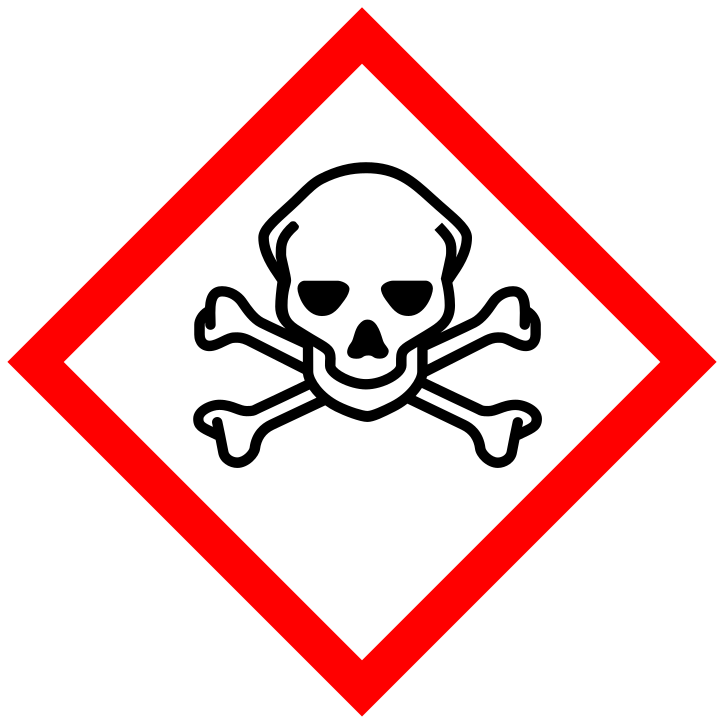
CLP-Info
- H290: May be corrosive to metals.
- H302: Harmful if swallowed.
- H302+H332: Harmful if swallowed or if inhaled
- H311: Toxic in contact with skin.
- H314: Causes severe skin burns and eye damage.
- H340: May cause genetic defects .
- H350: May cause cancer .
- H373: May cause damage to organs through prolonged or repeated exposure .
- H410: Very toxic to aquatic life with long lasting effects.
- P260: Do not breathe dust/fume/gas/mist/vapours/spray.
- P280: Wear protective gloves/protective clothing/eye protection/face protection.
- P301+P330+P331: IF SWALLOWED: Rinse mouth. Do NOT induce vomiting.
- P303+P361+P353: IF ON SKIN (or hair): Take off immediately all contaminated clothing. Rinse skin with water [or shower].
- P304+P340: IF INHALED: Remove person to fresh air and keep comfortable for breathing.
- P305+P351+P338: IF IN EYES: Rinse cautiously with water for several minutes. Remove contact lenses, if present and easy to do. Continue rinsing.
- P405: Store locked up.
CSB Measuring station MD 110 COD VARIO compl. with CSB reactor RD125, reagents
COD control vessel 1 NS 19 + NS 12 for COD test unit
CLP-Info
- H290: May be corrosive to metals.
- H302: Harmful if swallowed.
- H311: Toxic in contact with skin.
- H314: Causes severe skin burns and eye damage.
- H373: May cause damage to organs through prolonged or repeated exposure .
- H410: Very toxic to aquatic life with long lasting effects.
- P260: Do not breathe dust/fume/gas/mist/vapours/spray.
- P280: Wear protective gloves/protective clothing/eye protection/face protection.
- P301+P330+P331: IF SWALLOWED: Rinse mouth. Do NOT induce vomiting.
- P303+P361+P353: IF ON SKIN (or hair): Take off immediately all contaminated clothing. Rinse skin with water [or shower].
- P305+P351+P338: IF IN EYES: Rinse cautiously with water for several minutes. Remove contact lenses, if present and easy to do. Continue rinsing.
Cuvette test CSB/COD Vario 0-150 mg/l, 150 tests UN 2922, 8, II, (E)
behrotest draining stopcock for units QMR and TRO 30
CLP-Info
- H412: Harmful to aquatic life with long lasting effects.
- P273: Avoid release to the environment.
Ferroin indicator solution for COD determination DIN 38409-41:1980, DEV H41 DIN 38409-43:1981, DEV H43 DIN 38409-44:1992, DEV H44
FULLY AUTOMATIC DISPENSER/TITRATOR DT 10 OR COD DETERMINATION
behrotest microseparator DIN 38409 H 13-3
NANOCOLOR COD 1500 Hg-free Tube test with Barcode pack of 20 tests
NANOCOLOR COD 160 for examination on Skalar robots Tube test with Barcode pack of 20 tests
NANOCOLOR COD 160 Hg-free tube test measuring range: 15-160 mg/L O2 sufficient for 20 determinations
NANOCOLOR COD 60 for examination on Skalar robots Tube test with Barcode pack of 20 tests
NANOCOLOR COD 600 for examination on Skalar robots Tube test with Barcode pack of 20 tests
NANOCOLOR COD HR 1500 for examination on Skalar robots Tube test with Barcode Concentration sulphuric acid 80-98
NANOCOLOR COD LR 150 for examination on Skalar robots Tube test with Barcode pack of 20 tests
NANOCOLOR COD-free water pack of 50 mL, glass bottle
CLP-Info
- H290: May be corrosive to metals.
- H300+H310+H330: Fatal if swallowed, in contact with skin or if inhaled
- H314: Causes severe skin burns and eye damage.
- H340: May cause genetic defects .
- H350: May cause cancer .
- H360FD: May damage fertility. May damage the unborn child.
- H373: May cause damage to organs through prolonged or repeated exposure .
- H411: Toxic to aquatic life with long lasting effects.
- P273: Avoid release to the environment.
- P303+P361+P353: IF ON SKIN (or hair): Take off immediately all contaminated clothing. Rinse skin with water [or shower].
- P304+P340: IF INHALED: Remove person to fresh air and keep comfortable for breathing.
- P305+P351+P338: IF IN EYES: Rinse cautiously with water for several minutes. Remove contact lenses, if present and easy to do. Continue rinsing.
- P308+P313: IF exposed or concerned: Get medical advice/attention.
Potassium dichromate solution 0.02 mol/l - 0.12 N solution in 80 g/l mercury(II) sulfate-sulfuric acid for COD determination according to DIN 38409-41:1980, DEV H41
CLP-Info
- H290: May be corrosive to metals.
- H300: Fatal if swallowed.
- H311: Toxic in contact with skin.
- H314: Causes severe skin burns and eye damage.
- H317: May cause an allergic skin reaction.
- H318: Causes serious eye damage.
- H332: Harmful if inhaled.
- H334: May cause allergy or asthma symptoms or breathing difficulties if inhaled.
- H340: May cause genetic defects .
- H350: May cause cancer .
- H360Fd: May damage fertility. Suspected of damaging the unborn child.
- H373: May cause damage to organs through prolonged or repeated exposure .
- H400: Very toxic to aquatic life.
- H410: Very toxic to aquatic life with long lasting effects.
- P201: Obtain special instructions before use.
- P260: Do not breathe dust/fume/gas/mist/vapours/spray.
- P280: Wear protective gloves/protective clothing/eye protection/face protection.
- P303+P361+P353: IF ON SKIN (or hair): Take off immediately all contaminated clothing. Rinse skin with water [or shower].
- P304+P340: IF INHALED: Remove person to fresh air and keep comfortable for breathing.
- P305+P351+P338: IF IN EYES: Rinse cautiously with water for several minutes. Remove contact lenses, if present and easy to do. Continue rinsing.
- P308+P311: IF exposed or concerned: Call a POISON CENTER/doctor/
- P333+P313: If skin irritation or rash occurs: Get medical advice/attention.
- P342+P311: If experiencing respiratory symptoms: Call a POISON CENTER/doctor/
- P391: Collect spillage.
Reagents EPA 410.4, high for photometer, (25 tests) UN 2922, 8, II, (E)
CLP-Info
- H290: May be corrosive to metals.
- H300: Fatal if swallowed.
- H311: Toxic in contact with skin.
- H314: Causes severe skin burns and eye damage.
- H332: Harmful if inhaled.
- H373: May cause damage to organs through prolonged or repeated exposure .
- H410: Very toxic to aquatic life with long lasting effects.
- P201: Obtain special instructions before use.
- P260: Do not breathe dust/fume/gas/mist/vapours/spray.
- P280: Wear protective gloves/protective clothing/eye protection/face protection.
- P303+P361+P353: IF ON SKIN (or hair): Take off immediately all contaminated clothing. Rinse skin with water [or shower].
- P305+P351+P338: IF IN EYES: Rinse cautiously with water for several minutes. Remove contact lenses, if present and easy to do. Continue rinsing.
- P310: Immediately call a POISON CENTER/doctor/
- P391: Collect spillage.
Reagents ISO 15705, low for photometer, (25 tests) UN 2922, 8, II, (E)