






Filter products
Salts
CLP-Info
- H302: Harmful if swallowed.
- H332: Harmful if inhaled.
- H351: Suspected of causing cancer .
- H360D: May damage the unborn child.
- P201: Obtain special instructions before use.
- P202: Do not handle until all safety precautions have been read and understood.
- P260: Do not breathe dust/fume/gas/mist/vapours/spray.
- P261: Avoid breathing dust/fume/gas/mist/vapours/spray.
- P263: Avoid contact during pregnancy and while nursing.
- P264: Wash thoroughly after handling.
- P270: Do not eat, drink or smoke when using this product.
- P271: Use only outdoors or in a well-ventilated area.
- P273: Avoid release to the environment.
- P280: Wear protective gloves/protective clothing/eye protection/face protection.
- P301+P312: IF SWALLOWED: Call a POISON CENTRE/doctor/ if you feel unwell.
- P304+P340: IF INHALED: Remove person to fresh air and keep comfortable for breathing.
- P308+P313: IF exposed or concerned: Get medical advice/attention.
- P314: Get medical advice/attention if you feel unwell.
- P330: Rinse mouth.
- P391: Collect spillage.
- P405: Store locked up.
- P501: Dispose of contents/container to
Perfluorooctane sulfonic acid potassium, neat, produced according to ISO 17025
CLP-Info
- H302: Harmful if swallowed.
- H318: Causes serious eye damage.
- H332: Harmful if inhaled.
- H351: Suspected of causing cancer .
- H360D: May damage the unborn child.
- P201: Obtain special instructions before use.
- P202: Do not handle until all safety precautions have been read and understood.
- P260: Do not breathe dust/fume/gas/mist/vapours/spray.
- P261: Avoid breathing dust/fume/gas/mist/vapours/spray.
- P263: Avoid contact during pregnancy and while nursing.
- P264: Wash thoroughly after handling.
- P270: Do not eat, drink or smoke when using this product.
- P271: Use only outdoors or in a well-ventilated area.
- P280: Wear protective gloves/protective clothing/eye protection/face protection.
- P301+P312: IF SWALLOWED: Call a POISON CENTRE/doctor/ if you feel unwell.
- P304+P340: IF INHALED: Remove person to fresh air and keep comfortable for breathing.
- P305+P351+P338: IF IN EYES: Rinse cautiously with water for several minutes. Remove contact lenses, if present and easy to do. Continue rinsing.
- P308+P313: IF exposed or concerned: Get medical advice/attention.
- P310: Immediately call a POISON CENTER/doctor/
- P314: Get medical advice/attention if you feel unwell.
- P330: Rinse mouth.
- P405: Store locked up.
- P501: Dispose of contents/container to
Perfluorooctanoic acid ammonium, neat, produced according to ISO 17025
CLP-Info
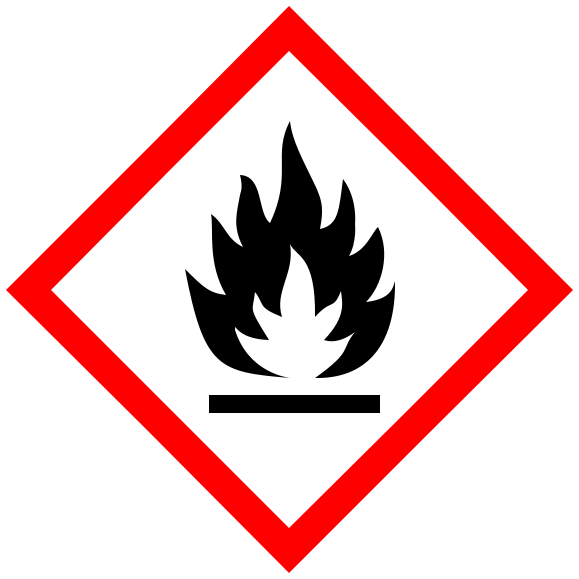
- H226: Flammable liquid and vapour.
- H290: May be corrosive to metals.
- H314: Causes severe skin burns and eye damage.
- P260: Do not breathe dust/fume/gas/mist/vapours/spray.
- P280: Wear protective gloves/protective clothing/eye protection/face protection.
- P303+P361+P353: IF ON SKIN (or hair): Take off immediately all contaminated clothing. Rinse skin with water [or shower].
- P305+P351+P338: IF IN EYES: Rinse cautiously with water for several minutes. Remove contact lenses, if present and easy to do. Continue rinsing.
- P310: Immediately call a POISON CENTER/doctor/
Periodate acetic acid reagent R reag. Ph. Eur., chapter 4.1.1
CLP-Info
- H319: Causes serious eye irritation.
- P264: Wash thoroughly after handling.
- P280: Wear protective gloves/protective clothing/eye protection/face protection.
- P305+P351+P338: IF IN EYES: Rinse cautiously with water for several minutes. Remove contact lenses, if present and easy to do. Continue rinsing.
- P337+P313: If eye irritation persists: Get medical advice/attention.
Petermann solution alkaline ammonium citrate solution suitable for extraction of phosphorus which is dissolvable in alkaline ammonium citrate according to VO (EG) 2003/2003 for fertilizer, chapter 3.1.5
Phenol standard solution 1000 µg/ml for IC (Ion HIQU)
Phenyl trimethylammonium chloride/ 98+% C9H14ClN/ F.W. 171.67/ m.p. 235-237 (subl.)
CLP-Info
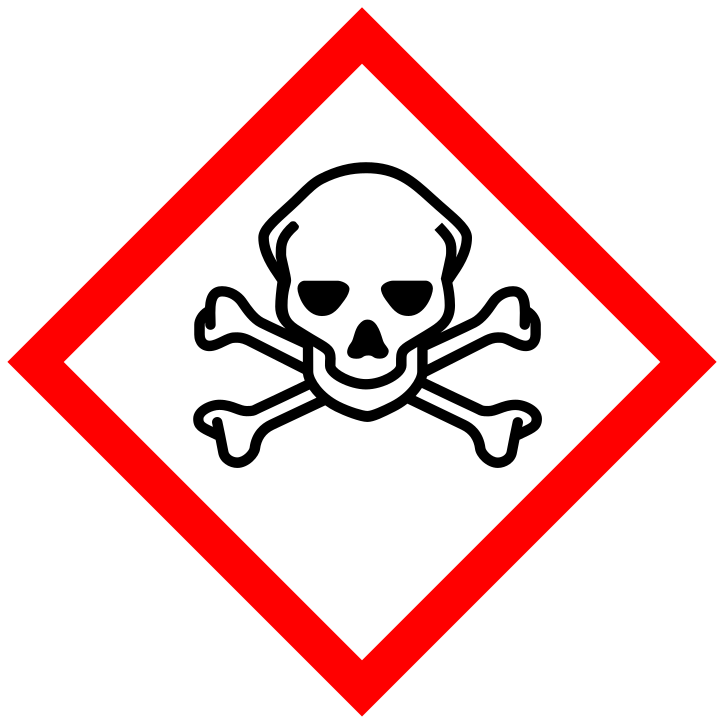
- H301: Toxic if swallowed.
- H311: Toxic in contact with skin.
- H315: Causes skin irritation.
- H317: May cause an allergic skin reaction.
- H319: Causes serious eye irritation.
- H331: Toxic if inhaled.
- H341: Suspected of causing genetic defects .
- H350: May cause cancer .
- H372: Causes damage to organs through prolonged or repeated exposure .
- H400: Very toxic to aquatic life.
- P201: Obtain special instructions before use.
- P261: Avoid breathing dust/fume/gas/mist/vapours/spray.
- P273: Avoid release to the environment.
- P280: Wear protective gloves/protective clothing/eye protection/face protection.
PHENYLHYDRAZINE HYDROCHLORIDE, 99+%
CLP-Info
- H301: Toxic if swallowed.
- H311: Toxic in contact with skin.
- H315: Causes skin irritation.
- H317: May cause an allergic skin reaction.
- H319: Causes serious eye irritation.
- H331: Toxic if inhaled.
- H341: Suspected of causing genetic defects .
- H350: May cause cancer .
- H372: Causes damage to organs through prolonged or repeated exposure .
- H400: Very toxic to aquatic life.
Phenylhydrazine hydrochloride, 98%
CLP-Info
- H301: Toxic if swallowed.
- H311: Toxic in contact with skin.
- H315: Causes skin irritation.
- H317: May cause an allergic skin reaction.
- H319: Causes serious eye irritation.
- H330: Fatal if inhaled.
- H341: Suspected of causing genetic defects .
- H350: May cause cancer .
- H372: Causes damage to organs through prolonged or repeated exposure .
- H400: Very toxic to aquatic life.
- P304+P340: IF INHALED: Remove person to fresh air and keep comfortable for breathing.
- P305+P351+P338: IF IN EYES: Rinse cautiously with water for several minutes. Remove contact lenses, if present and easy to do. Continue rinsing.
- P320: Specific treatment is urgent (see on this label).
- P330: Rinse mouth.
- P405: Store locked up.
Phenylhydrazine hydrochloride, 99%
CLP-Info
- H301+H311+H331: Toxic if swallowed, in contact with skin or if inhaled
- H315: Causes skin irritation.
- H317: May cause an allergic skin reaction.
- H319: Causes serious eye irritation.
- H341: Suspected of causing genetic defects .
- H350: May cause cancer .
- H372: Causes damage to organs through prolonged or repeated exposure .
- H400: Very toxic to aquatic life.
- P201: Obtain special instructions before use.
- P280: Wear protective gloves/protective clothing/eye protection/face protection.
- P302+P352: IF ON SKIN: Wash with plenty of water/
- P304+P340: IF INHALED: Remove person to fresh air and keep comfortable for breathing.
- P305+P351+P338: IF IN EYES: Rinse cautiously with water for several minutes. Remove contact lenses, if present and easy to do. Continue rinsing.
- P308+P313: IF exposed or concerned: Get medical advice/attention.
Phenylhydrazine hydrochloride, min. 99 %, p.a.
Phenylhydrazine hydrochloride/ 98% C6H5NHNH2 _. HCl/ F.W. 144.61/ m.p. 250-254 (dec.)
CLP-Info
- H301: Toxic if swallowed.
- H311: Toxic in contact with skin.
- H315: Causes skin irritation.
- H317: May cause an allergic skin reaction.
- H319: Causes serious eye irritation.
- H331: Toxic if inhaled.
- H341: Suspected of causing genetic defects .
- H350: May cause cancer .
- H372: Causes damage to organs through prolonged or repeated exposure .
- H400: Very toxic to aquatic life.
Phenylhydrazine sulfate, 98%
CLP-Info
- H301+H311+H331: Toxic if swallowed, in contact with skin or if inhaled
- H315: Causes skin irritation.
- H317: May cause an allergic skin reaction.
- H319: Causes serious eye irritation.
- H341: Suspected of causing genetic defects .
- H350: May cause cancer .
- H372: Causes damage to organs through prolonged or repeated exposure .
- P273: Avoid release to the environment.
- P280: Wear protective gloves/protective clothing/eye protection/face protection.
- P301+P310: IF SWALLOWED: Immediately call a POISON CENTER/doctor/
- P302+P352: IF ON SKIN: Wash with plenty of water/
- P304+P340: IF INHALED: Remove person to fresh air and keep comfortable for breathing.
- P305+P351+P338: IF IN EYES: Rinse cautiously with water for several minutes. Remove contact lenses, if present and easy to do. Continue rinsing.
- P311: Call a POISON CENTER/doctor/
- P312: Call a POISON CENTRE/doctor/ if you feel unwell.
Phenylhydrazinium chloride for analysis EMSURE® Reag. Ph Eur
CLP-Info
- H301: Toxic if swallowed.
- H314: Causes severe skin burns and eye damage.
- H372: Causes damage to organs through prolonged or repeated exposure .
- H410: Very toxic to aquatic life with long lasting effects.
- P273: Avoid release to the environment.
- P280: Wear protective gloves/protective clothing/eye protection/face protection.
- P310: Immediately call a POISON CENTER/doctor/
- P501: Dispose of contents/container to
Phenylmercury nitrate, basic, >= 97.0 % RT
CLP-Info
- H301: Toxic if swallowed.
- H314: Causes severe skin burns and eye damage.
- H372: Causes damage to organs through prolonged or repeated exposure .
- H410: Very toxic to aquatic life with long lasting effects.
- P273: Avoid release to the environment.
- P280: Wear protective gloves/protective clothing/eye protection/face protection.
- P301+P330+P331: IF SWALLOWED: Rinse mouth. Do NOT induce vomiting.
- P305+P351+P338: IF IN EYES: Rinse cautiously with water for several minutes. Remove contact lenses, if present and easy to do. Continue rinsing.
Phenylquecksilbernitrat (basisch) zur Synthese
CLP-Info
- H301: Toxic if swallowed.
- H311: Toxic in contact with skin.
- P280: Wear protective gloves/protective clothing/eye protection/face protection.
- P312: Call a POISON CENTRE/doctor/ if you feel unwell.
PHENYLTRIMETHYLAMMONIUM CHLORIDE, 98+%
CLP-Info
- H301: Toxic if swallowed.
- H311: Toxic in contact with skin.
- P280: Wear protective gloves/protective clothing/eye protection/face protection.
- P302+P352: IF ON SKIN: Wash with plenty of water/
PHENYLTRIMETHYLAMMONIUM CHLORIDE FOR SYNTHESIS
CLP-Info
- H301: Toxic if swallowed.
- H311: Toxic in contact with skin.
Phenyltrimethylammonium chloride, 98%
CLP-Info
- H301: Toxic if swallowed.
- H311: Toxic in contact with skin.
- P321: Specific treatment (see on this label).
- P405: Store locked up.
Phenyltrimethylammonium chloride, 98+%
Phosphate buffer, pH 6.6 at 25 °C