Filter products
Salts
CLP-Info
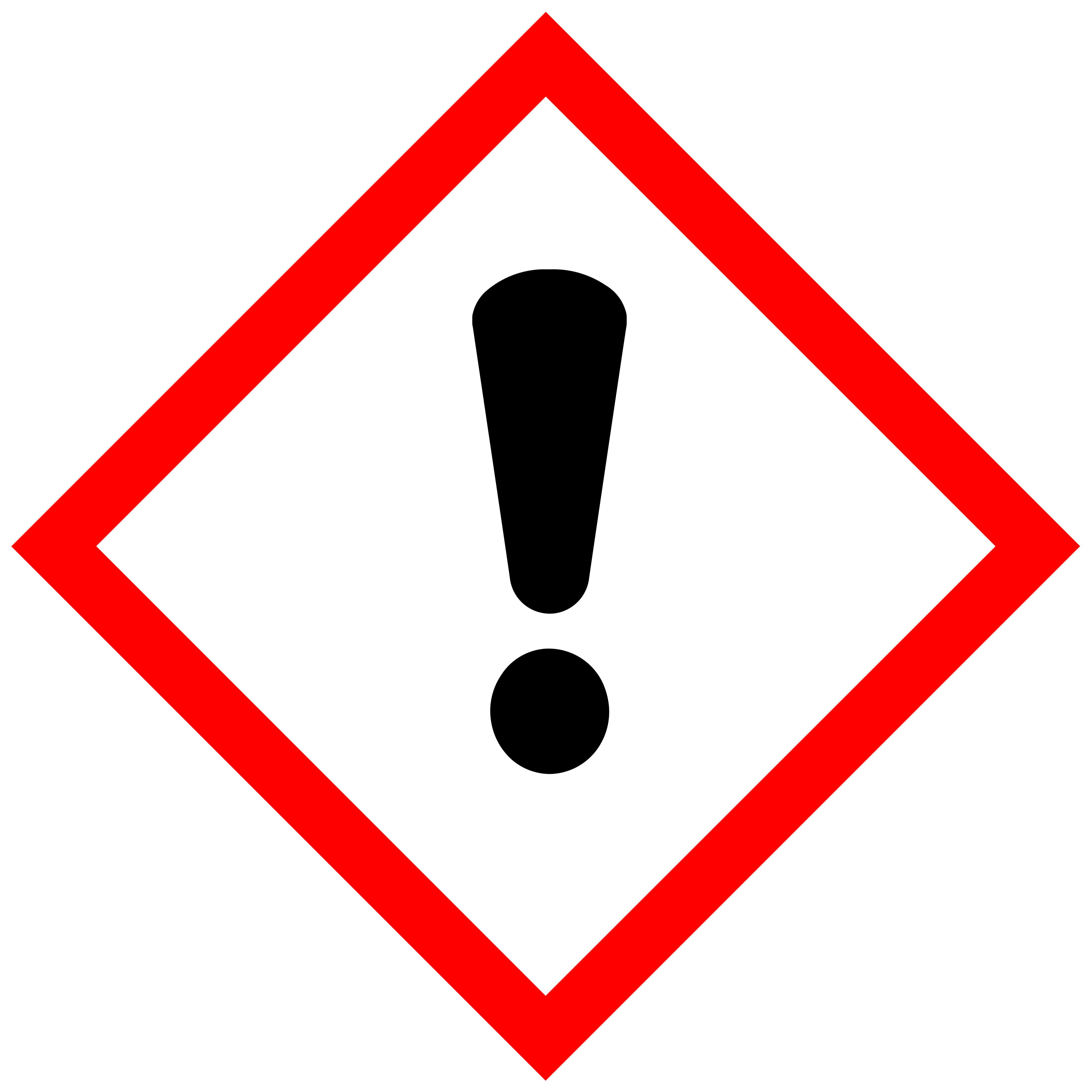
- H317: May cause an allergic skin reaction.
- H334: May cause allergy or asthma symptoms or breathing difficulties if inhaled.
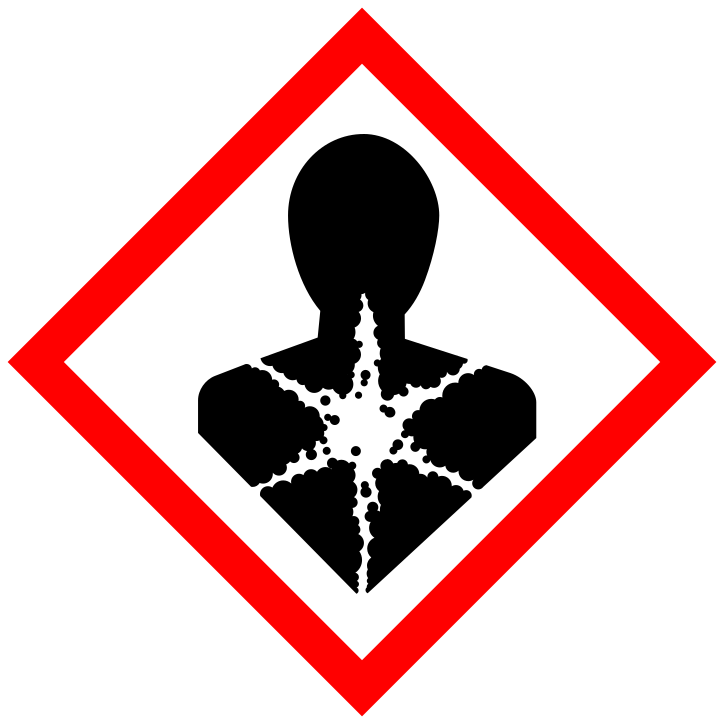
- H341: Suspected of causing genetic defects .
- H350: May cause cancer .
- H360: May damage fertility or the unborn child .
- H372: Causes damage to organs through prolonged or repeated exposure .
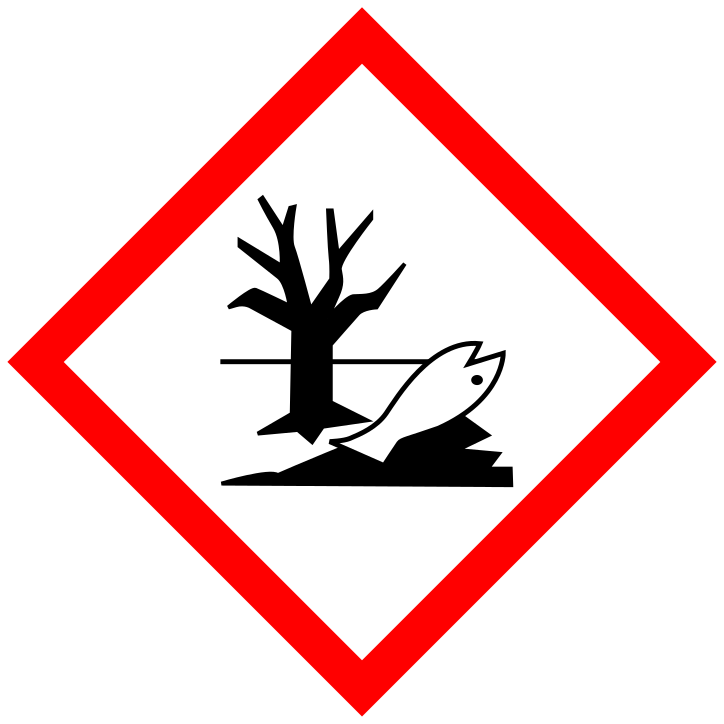
- H400: Very toxic to aquatic life.
- H410: Very toxic to aquatic life with long lasting effects.
- P201: Obtain special instructions before use.
- P260: Do not breathe dust/fume/gas/mist/vapours/spray.
- P273: Avoid release to the environment.
- P284: [In case of inadequate ventilation] wear respiratory protection.
- P405: Store locked up.
Nickel(II) fluoride, anhydrous, 97%
CLP-Info
- H302: Harmful if swallowed.
- H315: Causes skin irritation.
- H317: May cause an allergic skin reaction.
- H332: Harmful if inhaled.
- H334: May cause allergy or asthma symptoms or breathing difficulties if inhaled.
- H341: Suspected of causing genetic defects .
- H350i: May cause cancer by inhalation.
- H360D: May damage the unborn child.
- H372: Causes damage to organs through prolonged or repeated exposure .
- H410: Very toxic to aquatic life with long lasting effects.
- P201: Obtain special instructions before use.
- P261: Avoid breathing dust/fume/gas/mist/vapours/spray.
- P273: Avoid release to the environment.
- P280: Wear protective gloves/protective clothing/eye protection/face protection.
- P501: Dispose of contents/container to
NICKEL(II) HYDROXIDE
CLP-Info
- H302: Harmful if swallowed.
- H315: Causes skin irritation.
- H317: May cause an allergic skin reaction.
- H332: Harmful if inhaled.
- H334: May cause allergy or asthma symptoms or breathing difficulties if inhaled.
- H341: Suspected of causing genetic defects .
- H350i: May cause cancer by inhalation.
- H360D: May damage the unborn child.
- H372: Causes damage to organs through prolonged or repeated exposure .
- H410: Very toxic to aquatic life with long lasting effects.
- P201: Obtain special instructions before use.
- P260: Do not breathe dust/fume/gas/mist/vapours/spray.
- P280: Wear protective gloves/protective clothing/eye protection/face protection.
- P302+P352: IF ON SKIN: Wash with plenty of water/
- P304+P340: IF INHALED: Remove person to fresh air and keep comfortable for breathing.
- P308+P313: IF exposed or concerned: Get medical advice/attention.
- P342+P311: If experiencing respiratory symptoms: Call a POISON CENTER/doctor/
Nickel(II) hydroxide, Ni 61%
CLP-Info
- H317: May cause an allergic skin reaction.
- H334: May cause allergy or asthma symptoms or breathing difficulties if inhaled.
- H341: Suspected of causing genetic defects .
- H350: May cause cancer .
- H360D: May damage the unborn child.
- H372: Causes damage to organs through prolonged or repeated exposure .
- H400: Very toxic to aquatic life.
- H410: Very toxic to aquatic life with long lasting effects.
Nickel(II) iodide, anhydrous, (99.5% Ni)
CLP-Info
- H317: May cause an allergic skin reaction.
- H334: May cause allergy or asthma symptoms or breathing difficulties if inhaled.
- H341: Suspected of causing genetic defects .
- H350i: May cause cancer by inhalation.
- H360D: May damage the unborn child.
- H372: Causes damage to organs through prolonged or repeated exposure .
- H410: Very toxic to aquatic life with long lasting effects.
- P201: Obtain special instructions before use.
- P280: Wear protective gloves/protective clothing/eye protection/face protection.
- P302+P352: IF ON SKIN: Wash with plenty of water/
- P304+P340: IF INHALED: Remove person to fresh air and keep comfortable for breathing.
- P308+P313: IF exposed or concerned: Get medical advice/attention.
- P342+P311: If experiencing respiratory symptoms: Call a POISON CENTER/doctor/
Nickel(II) iodide, anhydrous, 99.5% (metals basis)
CLP-Info
- H317: May cause an allergic skin reaction.
- H334: May cause allergy or asthma symptoms or breathing difficulties if inhaled.
- H341: Suspected of causing genetic defects .
- H350i: May cause cancer by inhalation.
- H360D: May damage the unborn child.
- H372: Causes damage to organs through prolonged or repeated exposure .
- H410: Very toxic to aquatic life with long lasting effects.
- P201: Obtain special instructions before use.
- P261: Avoid breathing dust/fume/gas/mist/vapours/spray.
- P273: Avoid release to the environment.
- P280: Wear protective gloves/protective clothing/eye protection/face protection.
- P501: Dispose of contents/container to
NICKEL(II) IODIDE, ANHYDROUS, POWDER, 99.99%
CLP-Info
- H317: May cause an allergic skin reaction.
- H334: May cause allergy or asthma symptoms or breathing difficulties if inhaled.
- H341: Suspected of causing genetic defects .
- H350i: May cause cancer by inhalation.
- H360D: May damage the unborn child.
- H372: Causes damage to organs through prolonged or repeated exposure .
- H410: Very toxic to aquatic life with long lasting effects.
- P201: Obtain special instructions before use.
- P261: Avoid breathing dust/fume/gas/mist/vapours/spray.
- P273: Avoid release to the environment.
- P280: Wear protective gloves/protective clothing/eye protection/face protection.
- P501: Dispose of contents/container to
NICKEL(II) IODIDE, POWDER
CLP-Info
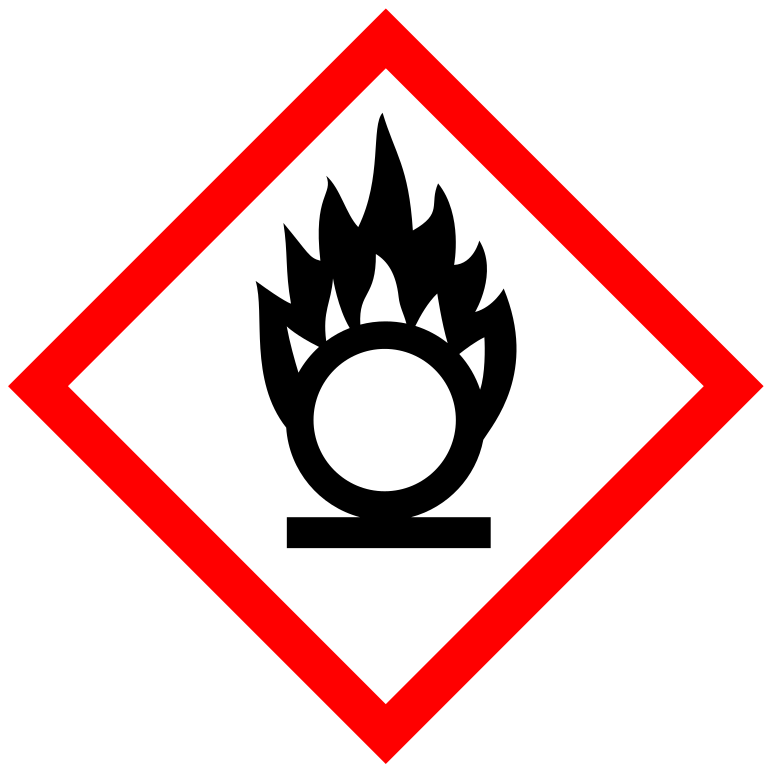
- H272: May intensify fire; oxidiser.
- H302+H332: Harmful if swallowed or if inhaled
- H315: Causes skin irritation.
- H317: May cause an allergic skin reaction.
- H318: Causes serious eye damage.
- H334: May cause allergy or asthma symptoms or breathing difficulties if inhaled.
- H341: Suspected of causing genetic defects .
- H350i: May cause cancer by inhalation.
- H360D: May damage the unborn child.
- H372: Causes damage to organs through prolonged or repeated exposure .
- H410: Very toxic to aquatic life with long lasting effects.
- P201: Obtain special instructions before use.
- P260: Do not breathe dust/fume/gas/mist/vapours/spray.
- P273: Avoid release to the environment.
- P305+P351+P338: IF IN EYES: Rinse cautiously with water for several minutes. Remove contact lenses, if present and easy to do. Continue rinsing.
- P310: Immediately call a POISON CENTER/doctor/
- P405: Store locked up.
- P501: Dispose of contents/container to
Nickel(II) nitrate hexahydrate pure
CLP-Info
- H272: May intensify fire; oxidiser.
- H302+H332: Harmful if swallowed or if inhaled
- H315: Causes skin irritation.
- H317: May cause an allergic skin reaction.
- H318: Causes serious eye damage.
- H334: May cause allergy or asthma symptoms or breathing difficulties if inhaled.
- H341: Suspected of causing genetic defects .
- H350i: May cause cancer by inhalation.
- H360D: May damage the unborn child.
- H372: Causes damage to organs through prolonged or repeated exposure .
- H410: Very toxic to aquatic life with long lasting effects.
- P201: Obtain special instructions before use.
- P210: Keep away from heat, hot surfaces, sparks, open flames and other ignition sources. No smoking.
- P220: Keep away from clothing and other combustible materials.
- P260: Do not breathe dust/fume/gas/mist/vapours/spray.
- P273: Avoid release to the environment.
- P280: Wear protective gloves/protective clothing/eye protection/face protection.
- P305+P351+P338: IF IN EYES: Rinse cautiously with water for several minutes. Remove contact lenses, if present and easy to do. Continue rinsing.
- P308+P313: IF exposed or concerned: Get medical advice/attention.
- P310: Immediately call a POISON CENTER/doctor/
- P321: Specific treatment (see on this label).
- P330: Rinse mouth.
- P362+P364: Take off contaminated clothing and wash it before reuse.
Nickel(II) nitrate hexahydrate for analysis
CLP-Info
- H272: May intensify fire; oxidiser.
- H302: Harmful if swallowed.
- H315: Causes skin irritation.
- H317: May cause an allergic skin reaction.
- H318: Causes serious eye damage.
- H332: Harmful if inhaled.
- H334: May cause allergy or asthma symptoms or breathing difficulties if inhaled.
- H341: Suspected of causing genetic defects .
- H350i: May cause cancer by inhalation.
- H360: May damage fertility or the unborn child .
- H372: Causes damage to organs through prolonged or repeated exposure .
- H410: Very toxic to aquatic life with long lasting effects.
- P201: Obtain special instructions before use.
- P220: Keep away from clothing and other combustible materials.
- P261: Avoid breathing dust/fume/gas/mist/vapours/spray.
- P273: Avoid release to the environment.
- P280: Wear protective gloves/protective clothing/eye protection/face protection.
NICKEL(II) NITRATE HEXAHYDRATE, 99.999%
CLP-Info
- H272: May intensify fire; oxidiser.
- H302: Harmful if swallowed.
- H315: Causes skin irritation.
- H317: May cause an allergic skin reaction.
- H318: Causes serious eye damage.
- H332: Harmful if inhaled.
- H334: May cause allergy or asthma symptoms or breathing difficulties if inhaled.
- H341: Suspected of causing genetic defects .
- H350i: May cause cancer by inhalation.
- H360D: May damage the unborn child.
- H372: Causes damage to organs through prolonged or repeated exposure .
- H400: Very toxic to aquatic life.
- H410: Very toxic to aquatic life with long lasting effects.
Nickel(II) nitrate hexahydrate, (99.9% Ni)
CLP-Info
- H272: May intensify fire; oxidiser.
- H302+H332: Harmful if swallowed or if inhaled
- H315: Causes skin irritation.
- H318: Causes serious eye damage.
- H334: May cause allergy or asthma symptoms or breathing difficulties if inhaled.
- H341: Suspected of causing genetic defects .
- H350i: May cause cancer by inhalation.
- H360D: May damage the unborn child.
- H372: Causes damage to organs through prolonged or repeated exposure .
- H410: Very toxic to aquatic life with long lasting effects.
- P201: Obtain special instructions before use.
- P273: Avoid release to the environment.
- P280: Wear protective gloves/protective clothing/eye protection/face protection.
- P302+P352: IF ON SKIN: Wash with plenty of water/
- P304+P340: IF INHALED: Remove person to fresh air and keep comfortable for breathing.
- P305+P351+P338: IF IN EYES: Rinse cautiously with water for several minutes. Remove contact lenses, if present and easy to do. Continue rinsing.
- P314: Get medical advice/attention if you feel unwell.
- P342+P311: If experiencing respiratory symptoms: Call a POISON CENTER/doctor/
Nickel(II) nitrate hexahydrate for analysis EMSURE® ACS
CLP-Info
- H272: May intensify fire; oxidiser.
- H302: Harmful if swallowed.
- H315: Causes skin irritation.
- H317: May cause an allergic skin reaction.
- H318: Causes serious eye damage.
- H332: Harmful if inhaled.
- H334: May cause allergy or asthma symptoms or breathing difficulties if inhaled.
- H341: Suspected of causing genetic defects .
- H350i: May cause cancer by inhalation.
- H360D: May damage the unborn child.
- H372: Causes damage to organs through prolonged or repeated exposure .
- H400: Very toxic to aquatic life.
- H410: Very toxic to aquatic life with long lasting effects.
- P201: Obtain special instructions before use.
- P273: Avoid release to the environment.
- P308+P313: IF exposed or concerned: Get medical advice/attention.
Nickel(II) nitrate hexahydrate, Puratronic®, 99.9985% (metals basis)
CLP-Info
- H272: May intensify fire; oxidiser.
- H302: Harmful if swallowed.
- H315: Causes skin irritation.
- H317: May cause an allergic skin reaction.
- H318: Causes serious eye damage.
- H332: Harmful if inhaled.
- H334: May cause allergy or asthma symptoms or breathing difficulties if inhaled.
- H341: Suspected of causing genetic defects .
- H350i: May cause cancer by inhalation.
- H360D: May damage the unborn child.
- H372: Causes damage to organs through prolonged or repeated exposure .
- H400: Very toxic to aquatic life.
- H410: Very toxic to aquatic life with long lasting effects.
- P201: Obtain special instructions before use.
- P273: Avoid release to the environment.
- P308+P313: IF exposed or concerned: Get medical advice/attention.
Nickel(II) nitrate hexahydrate, 98%
CLP-Info
- H272: May intensify fire; oxidiser.
- H302: Harmful if swallowed.
- H315: Causes skin irritation.
- H317: May cause an allergic skin reaction.
- H318: Causes serious eye damage.
- H332: Harmful if inhaled.
- H334: May cause allergy or asthma symptoms or breathing difficulties if inhaled.
- H341: Suspected of causing genetic defects .
- H350i: May cause cancer by inhalation.
- H360D: May damage the unborn child.
- H372: Causes damage to organs through prolonged or repeated exposure .
- H400: Very toxic to aquatic life.
- H410: Very toxic to aquatic life with long lasting effects.
Nickel(II) nitrate hexahydrate (99.9985%-Ni)
CLP-Info
- H272: May intensify fire; oxidiser.
- H302+H332: Harmful if swallowed or if inhaled
- H315: Causes skin irritation.
- H317: May cause an allergic skin reaction.
- H318: Causes serious eye damage.
- H334: May cause allergy or asthma symptoms or breathing difficulties if inhaled.
- H341: Suspected of causing genetic defects .
- H350i: May cause cancer by inhalation.
- H360D: May damage the unborn child.
- H372: Causes damage to organs through prolonged or repeated exposure .
- H410: Very toxic to aquatic life with long lasting effects.
Nickel(II) nitrate hexahydrate, 98%
CLP-Info
- H272: May intensify fire; oxidiser.
- H302+H332: Harmful if swallowed or if inhaled
- H315: Causes skin irritation.
- H317: May cause an allergic skin reaction.
- H318: Causes serious eye damage.
- H334: May cause allergy or asthma symptoms or breathing difficulties if inhaled.
- H341: Suspected of causing genetic defects .
- H350i: May cause cancer by inhalation.
- H360D: May damage the unborn child.
- H372: Causes damage to organs through prolonged or repeated exposure .
- H410: Very toxic to aquatic life with long lasting effects.
Nickel(II) nitrate hexahydrate, min. 98 %, extra pure
CLP-Info
- H272: May intensify fire; oxidiser.
- H302+H332: Harmful if swallowed or if inhaled
- H315: Causes skin irritation.
- H317: May cause an allergic skin reaction.
- H318: Causes serious eye damage.
- H334: May cause allergy or asthma symptoms or breathing difficulties if inhaled.
- H341: Suspected of causing genetic defects .
- H350i: May cause cancer by inhalation.
- H360D: May damage the unborn child.
- H372: Causes damage to organs through prolonged or repeated exposure .
- H410: Very toxic to aquatic life with long lasting effects.
Nickel(II) nitrate hexahydrate, min. 99 %, p.a.
CLP-Info
- H272: May intensify fire; oxidiser.
- H302+H332: Harmful if swallowed or if inhaled
- H315: Causes skin irritation.
- H317: May cause an allergic skin reaction.
- H318: Causes serious eye damage.
- H334: May cause allergy or asthma symptoms or breathing difficulties if inhaled.
- H341: Suspected of causing genetic defects .
- H350i: May cause cancer by inhalation.
- H360D: May damage the unborn child.
- H372: Causes damage to organs through prolonged or repeated exposure .
- H410: Very toxic to aquatic life with long lasting effects.
Nickel(II) nitrate hexahydrate, ROTI®METIC 99,999 % (5N)
CLP-Info
- H272: May intensify fire; oxidiser.
- H302: Harmful if swallowed.
- H315: Causes skin irritation.
- H317: May cause an allergic skin reaction.
- H318: Causes serious eye damage.
- H332: Harmful if inhaled.
- H334: May cause allergy or asthma symptoms or breathing difficulties if inhaled.
- H341: Suspected of causing genetic defects .
- H350i: May cause cancer by inhalation.
- H360D: May damage the unborn child.
- H372: Causes damage to organs through prolonged or repeated exposure .
- H400: Very toxic to aquatic life.
- H410: Very toxic to aquatic life with long lasting effects.
- P201: Obtain special instructions before use.
- P273: Avoid release to the environment.
- P308+P313: IF exposed or concerned: Get medical advice/attention.
Nickel(II) nitrate hexahydrate, tech., Ni 19.8% min