Filter products
Salts
CLP-Info
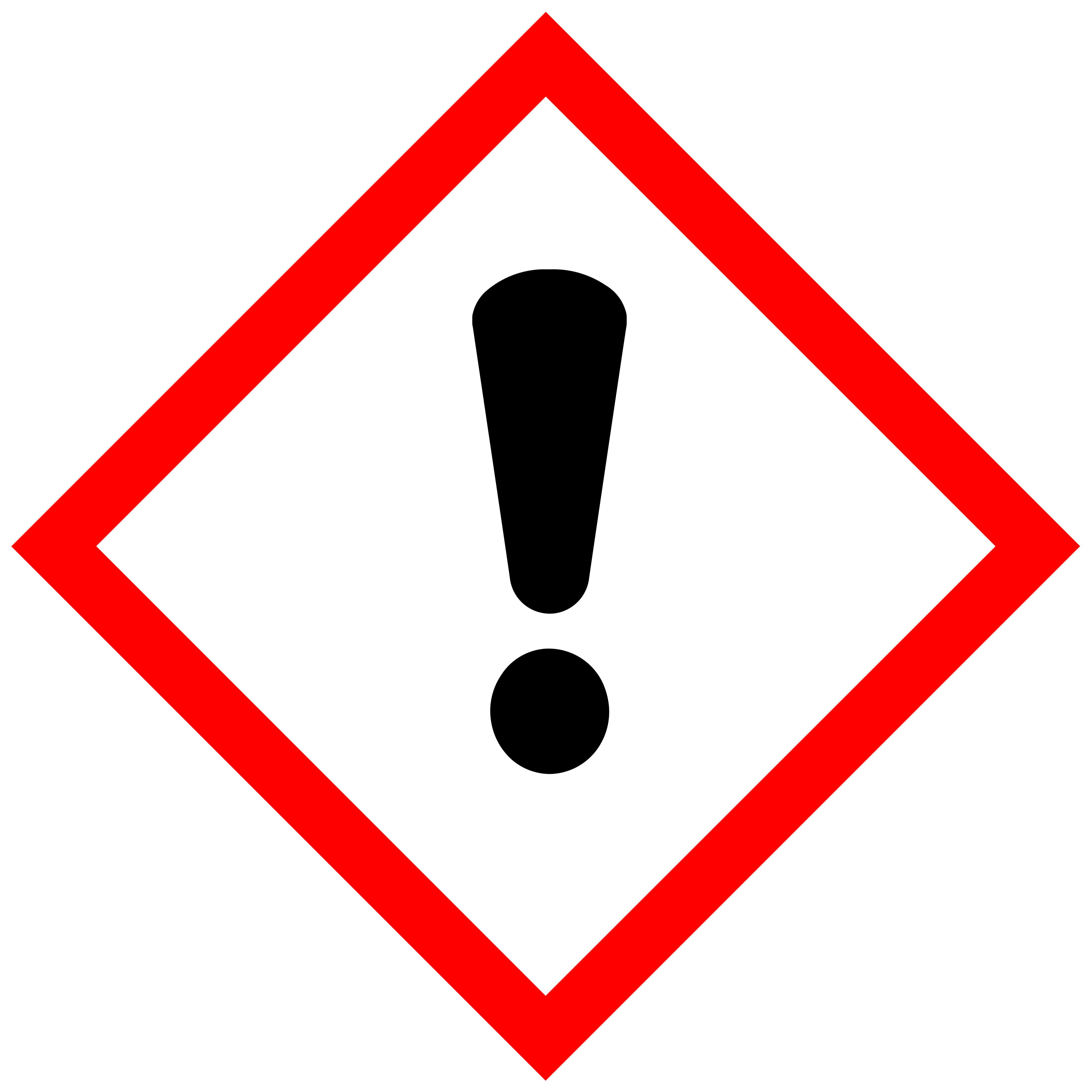
- H317: May cause an allergic skin reaction.
- H334: May cause allergy or asthma symptoms or breathing difficulties if inhaled.
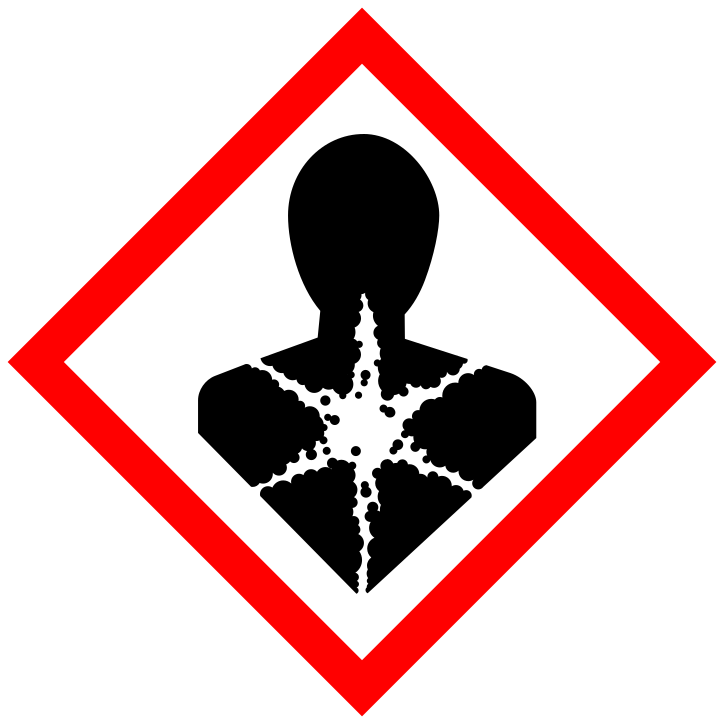
- H341: Suspected of causing genetic defects .
- H350i: May cause cancer by inhalation.
- H360D: May damage the unborn child.
- H372: Causes damage to organs through prolonged or repeated exposure .
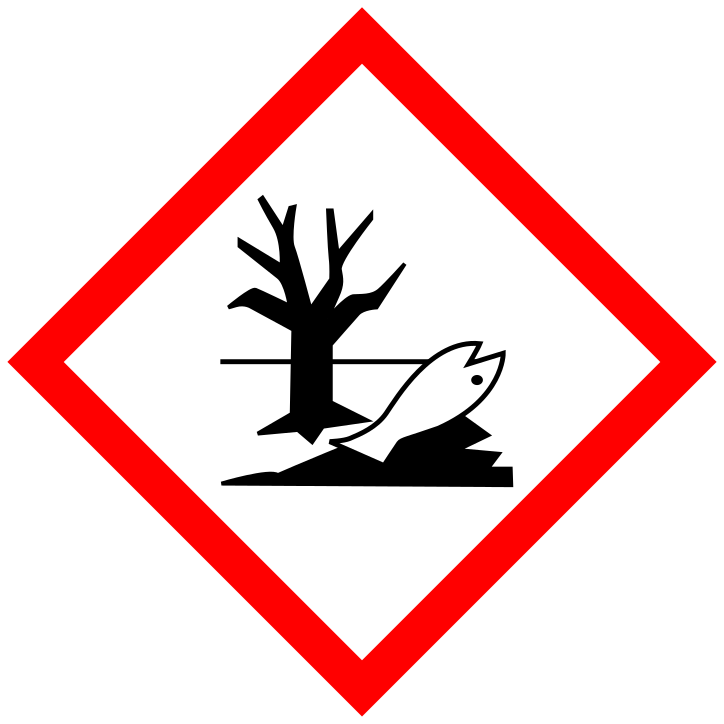
- H410: Very toxic to aquatic life with long lasting effects.
NICKEL(II) BROMIDE HYDRATE
CLP-Info
- H302: Harmful if swallowed.
- H334: May cause allergy or asthma symptoms or breathing difficulties if inhaled.
- H350: May cause cancer .
- H400: Very toxic to aquatic life.
- P201: Obtain special instructions before use.
- P261: Avoid breathing dust/fume/gas/mist/vapours/spray.
- P273: Avoid release to the environment.
NICKEL(II) BROMIDE, 98%
CLP-Info
- H317: May cause an allergic skin reaction.
- H334: May cause allergy or asthma symptoms or breathing difficulties if inhaled.
- H341: Suspected of causing genetic defects .
- H350: May cause cancer .
- H360D: May damage the unborn child.
- H372: Causes damage to organs through prolonged or repeated exposure .
- H400: Very toxic to aquatic life.
- H410: Very toxic to aquatic life with long lasting effects.
- P201: Obtain special instructions before use.
- P273: Avoid release to the environment.
- P310: Immediately call a POISON CENTER/doctor/
Nickel(II) bromide, anhydrous, 99%
CLP-Info
- H317: May cause an allergic skin reaction.
- H334: May cause allergy or asthma symptoms or breathing difficulties if inhaled.
- H341: Suspected of causing genetic defects .
- H350: May cause cancer .
- H360D: May damage the unborn child.
- H372: Causes damage to organs through prolonged or repeated exposure .
- H410: Very toxic to aquatic life with long lasting effects.
Nickel(II) bromide, anhydrous, (99% Ni)
CLP-Info
- H302: Harmful if swallowed.
- H334: May cause allergy or asthma symptoms or breathing difficulties if inhaled.
- H350: May cause cancer .
- H400: Very toxic to aquatic life.
- P201: Obtain special instructions before use.
- P261: Avoid breathing dust/fume/gas/mist/vapours/spray.
- P273: Avoid release to the environment.
NICKEL(II) BROMIDE, ANHYDROUS, POWDER, 9 9.99+%
CLP-Info
- H302: Harmful if swallowed.
- H315: Causes skin irritation.
- H317: May cause an allergic skin reaction.
- H319: Causes serious eye irritation.
- H332: Harmful if inhaled.
- H334: May cause allergy or asthma symptoms or breathing difficulties if inhaled.
- H341: Suspected of causing genetic defects .
- H350i: May cause cancer by inhalation.
- H360: May damage fertility or the unborn child .
- H372: Causes damage to organs through prolonged or repeated exposure .
- H410: Very toxic to aquatic life with long lasting effects.
- P201: Obtain special instructions before use.
- P261: Avoid breathing dust/fume/gas/mist/vapours/spray.
- P273: Avoid release to the environment.
- P280: Wear protective gloves/protective clothing/eye protection/face protection.
- P305+P351+P338: IF IN EYES: Rinse cautiously with water for several minutes. Remove contact lenses, if present and easy to do. Continue rinsing.
- P308+P313: IF exposed or concerned: Get medical advice/attention.
NICKEL(II) CARBONATE BASIC HYDRATE
CLP-Info
- H302: Harmful if swallowed.
- H315: Causes skin irritation.
- H317: May cause an allergic skin reaction.
- H332: Harmful if inhaled.
- H334: May cause allergy or asthma symptoms or breathing difficulties if inhaled.
- H341: Suspected of causing genetic defects .
- H350i: May cause cancer by inhalation.
- H360D: May damage the unborn child.
- H372: Causes damage to organs through prolonged or repeated exposure .
- H400: Very toxic to aquatic life.
- H410: Very toxic to aquatic life with long lasting effects.
- P201: Obtain special instructions before use.
- P260: Do not breathe dust/fume/gas/mist/vapours/spray.
- P273: Avoid release to the environment.
- P284: [In case of inadequate ventilation] wear respiratory protection.
- P405: Store locked up.
Nickel(II) carbonate, anhydrous, 98%
CLP-Info
- H302: Harmful if swallowed.
- H315: Causes skin irritation.
- H317: May cause an allergic skin reaction.
- H332: Harmful if inhaled.
- H334: May cause allergy or asthma symptoms or breathing difficulties if inhaled.
- H341: Suspected of causing genetic defects .
- H350i: May cause cancer by inhalation.
- H360D: May damage the unborn child.
- H372: Causes damage to organs through prolonged or repeated exposure .
- H400: Very toxic to aquatic life.
- H410: Very toxic to aquatic life with long lasting effects.
Nickel(II) carbonate, anhydrous, 98%
CLP-Info
- H302: Harmful if swallowed.
- H315: Causes skin irritation.
- H317: May cause an allergic skin reaction.
- H319: Causes serious eye irritation.
- H330: Fatal if inhaled.
- H334: May cause allergy or asthma symptoms or breathing difficulties if inhaled.
- H341: Suspected of causing genetic defects .
- H350i: May cause cancer by inhalation.
- H360D: May damage the unborn child.
- H372: Causes damage to organs through prolonged or repeated exposure .
- H410: Very toxic to aquatic life with long lasting effects.
Nickel(II) carbonate, basic hydrate, 40 % Ni, p.a., paste
CLP-Info
- H301: Toxic if swallowed.
- H315: Causes skin irritation.
- H317: May cause an allergic skin reaction.
- H331: Toxic if inhaled.
- H334: May cause allergy or asthma symptoms or breathing difficulties if inhaled.
- H341: Suspected of causing genetic defects .
- H350i: May cause cancer by inhalation.
- H360D: May damage the unborn child.
- H372: Causes damage to organs through prolonged or repeated exposure .
- H410: Very toxic to aquatic life with long lasting effects.
- P201: Obtain special instructions before use.
Nickel(II) chloride anhydrous 0.95
CLP-Info
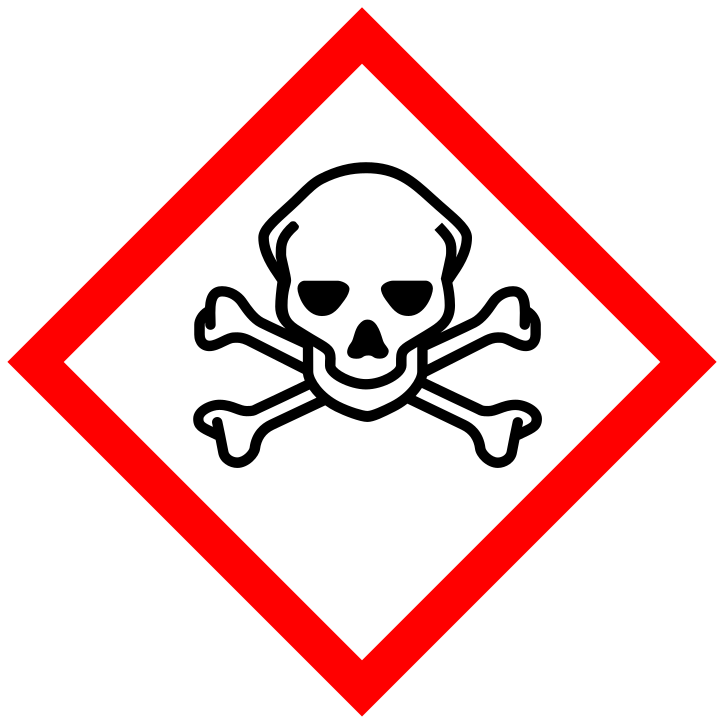
- H301+H331: Toxic if swallowed or if inhaled
- H315: Causes skin irritation.
- H317: May cause an allergic skin reaction.
- H334: May cause allergy or asthma symptoms or breathing difficulties if inhaled.
- H341: Suspected of causing genetic defects .
- H350i: May cause cancer by inhalation.
- H360D: May damage the unborn child.
- H372: Causes damage to organs through prolonged or repeated exposure .
- H410: Very toxic to aquatic life with long lasting effects.
- P201: Obtain special instructions before use.
- P260: Do not breathe dust/fume/gas/mist/vapours/spray.
- P273: Avoid release to the environment.
- P301+P310: IF SWALLOWED: Immediately call a POISON CENTER/doctor/
- P405: Store locked up.
- P501: Dispose of contents/container to
Nickel(II) chloride hexahydrate for analysis
CLP-Info
- H301+H331: Toxic if swallowed or if inhaled
- H315: Causes skin irritation.
- H317: May cause an allergic skin reaction.
- H334: May cause allergy or asthma symptoms or breathing difficulties if inhaled.
- H341: Suspected of causing genetic defects .
- H350i: May cause cancer by inhalation.
- H360D: May damage the unborn child.
- H372: Causes damage to organs through prolonged or repeated exposure .
- H410: Very toxic to aquatic life with long lasting effects.
- P201: Obtain special instructions before use.
- P260: Do not breathe dust/fume/gas/mist/vapours/spray.
- P273: Avoid release to the environment.
- P301+P310: IF SWALLOWED: Immediately call a POISON CENTER/doctor/
- P405: Store locked up.
- P501: Dispose of contents/container to
Nickel(II) chloride hexahydrate pure
CLP-Info
- H301: Toxic if swallowed.
- H315: Causes skin irritation.
- H317: May cause an allergic skin reaction.
- H331: Toxic if inhaled.
- H334: May cause allergy or asthma symptoms or breathing difficulties if inhaled.
- H341: Suspected of causing genetic defects .
- H350i: May cause cancer by inhalation.
- H360: May damage fertility or the unborn child .
- H372: Causes damage to organs through prolonged or repeated exposure .
- H410: Very toxic to aquatic life with long lasting effects.
- P201: Obtain special instructions before use.
- P261: Avoid breathing dust/fume/gas/mist/vapours/spray.
- P273: Avoid release to the environment.
- P280: Wear protective gloves/protective clothing/eye protection/face protection.
- P311: Call a POISON CENTER/doctor/
NICKEL(II) CHLORIDE HEXAHYDRATE, 99.99%
CLP-Info
- H301+H331: Toxic if swallowed or if inhaled
- H315: Causes skin irritation.
- H317: May cause an allergic skin reaction.
- H334: May cause allergy or asthma symptoms or breathing difficulties if inhaled.
- H341: Suspected of causing genetic defects .
- H350i: May cause cancer by inhalation.
- H360D: May damage the unborn child.
- H372: Causes damage to organs through prolonged or repeated exposure .
- H410: Very toxic to aquatic life with long lasting effects.
Nickel(II) chloride hexahydrate, 99.3% (metals basis)
CLP-Info
- H301+H331: Toxic if swallowed or if inhaled
- H315: Causes skin irritation.
- H317: May cause an allergic skin reaction.
- H334: May cause allergy or asthma symptoms or breathing difficulties if inhaled.
- H341: Suspected of causing genetic defects .
- H350i: May cause cancer by inhalation.
- H360D: May damage the unborn child.
- H372: Causes damage to organs through prolonged or repeated exposure .
- H410: Very toxic to aquatic life with long lasting effects.
- P201: Obtain special instructions before use.
- P273: Avoid release to the environment.
- P280: Wear protective gloves/protective clothing/eye protection/face protection.
- P302+P352: IF ON SKIN: Wash with plenty of water/
- P304+P340: IF INHALED: Remove person to fresh air and keep comfortable for breathing.
NICKEL(II) CHLORIDE HEXAHYDRATE FOR ANALYSIS EMSURE® ACS
CLP-Info
- H301: Toxic if swallowed.
- H315: Causes skin irritation.
- H317: May cause an allergic skin reaction.
- H331: Toxic if inhaled.
- H334: May cause allergy or asthma symptoms or breathing difficulties if inhaled.
- H341: Suspected of causing genetic defects .
- H350: May cause cancer .
- H360: May damage fertility or the unborn child .
- H372: Causes damage to organs through prolonged or repeated exposure .
- H400: Very toxic to aquatic life.
- H410: Very toxic to aquatic life with long lasting effects.
- P201: Obtain special instructions before use.
- P273: Avoid release to the environment.
- P501: Dispose of contents/container to
Nickel(II) chloride hexahydrate, 99.3% (metals basis)
CLP-Info
- H301: Toxic if swallowed.
- H315: Causes skin irritation.
- H317: May cause an allergic skin reaction.
- H331: Toxic if inhaled.
- H334: May cause allergy or asthma symptoms or breathing difficulties if inhaled.
- H341: Suspected of causing genetic defects .
- H350i: May cause cancer by inhalation.
- H360D: May damage the unborn child.
- H372: Causes damage to organs through prolonged or repeated exposure .
- H400: Very toxic to aquatic life.
- H410: Very toxic to aquatic life with long lasting effects.
- P201: Obtain special instructions before use.
- P273: Avoid release to the environment.
Nickel(II) chloride hexahydrate, Puratronic®, 99.9995% (metals basis)
CLP-Info
- H301: Toxic if swallowed.
- H315: Causes skin irritation.
- H317: May cause an allergic skin reaction.
- H331: Toxic if inhaled.
- H334: May cause allergy or asthma symptoms or breathing difficulties if inhaled.
- H341: Suspected of causing genetic defects .
- H350i: May cause cancer by inhalation.
- H360D: May damage the unborn child.
- H372: Causes damage to organs through prolonged or repeated exposure .
- H400: Very toxic to aquatic life.
- H410: Very toxic to aquatic life with long lasting effects.
- P201: Obtain special instructions before use.
- P273: Avoid release to the environment.
Nickel(II) chloride hexahydrate, 99.95% (metals basis)
CLP-Info
- H301+H331: Toxic if swallowed or if inhaled
- H315: Causes skin irritation.
- H317: May cause an allergic skin reaction.
- H334: May cause allergy or asthma symptoms or breathing difficulties if inhaled.
- H341: Suspected of causing genetic defects .
- H350i: May cause cancer by inhalation.
- H360D: May damage the unborn child.
- H372: Causes damage to organs through prolonged or repeated exposure .
- H410: Very toxic to aquatic life with long lasting effects.
- P260: Do not breathe dust/fume/gas/mist/vapours/spray.
- P273: Avoid release to the environment.
- P280: Wear protective gloves/protective clothing/eye protection/face protection.
- P301+P310: IF SWALLOWED: Immediately call a POISON CENTER/doctor/
- P302+P352: IF ON SKIN: Wash with plenty of water/
- P304+P340: IF INHALED: Remove person to fresh air and keep comfortable for breathing.
- P308+P313: IF exposed or concerned: Get medical advice/attention.
Nickel(II) chloride hexahydrate, 98%
CLP-Info
- H301+H331: Toxic if swallowed or if inhaled
- H315: Causes skin irritation.
- H317: May cause an allergic skin reaction.
- H334: May cause allergy or asthma symptoms or breathing difficulties if inhaled.
- H341: Suspected of causing genetic defects .
- H350i: May cause cancer by inhalation.
- H360D: May damage the unborn child.
- H372: Causes damage to organs through prolonged or repeated exposure .
- H410: Very toxic to aquatic life with long lasting effects.
Nickel(II) chloride hexahydrate, (99.9% Ni)