






Filter products
Salts
CLP-Info
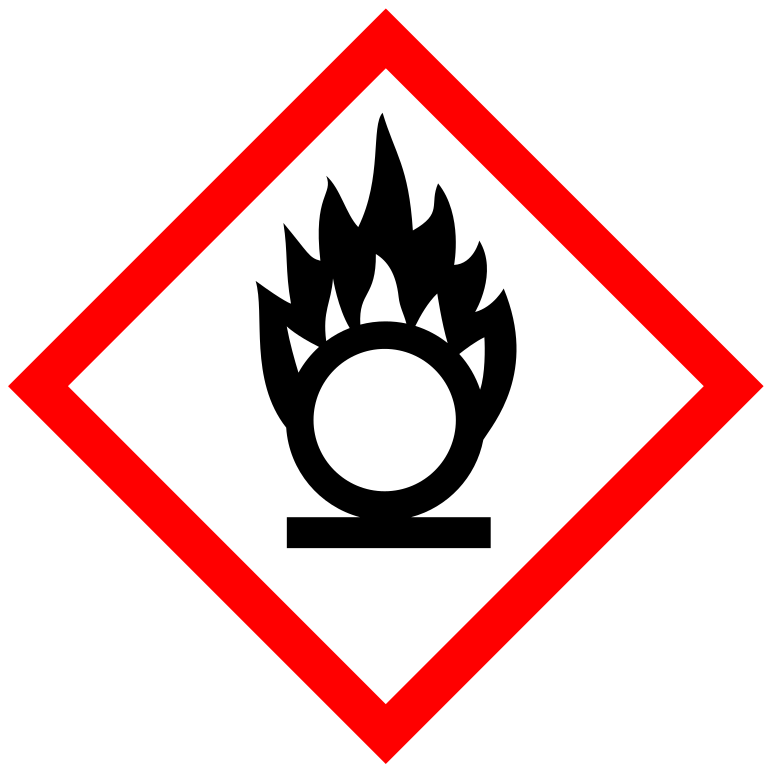
- H272: May intensify fire; oxidiser.
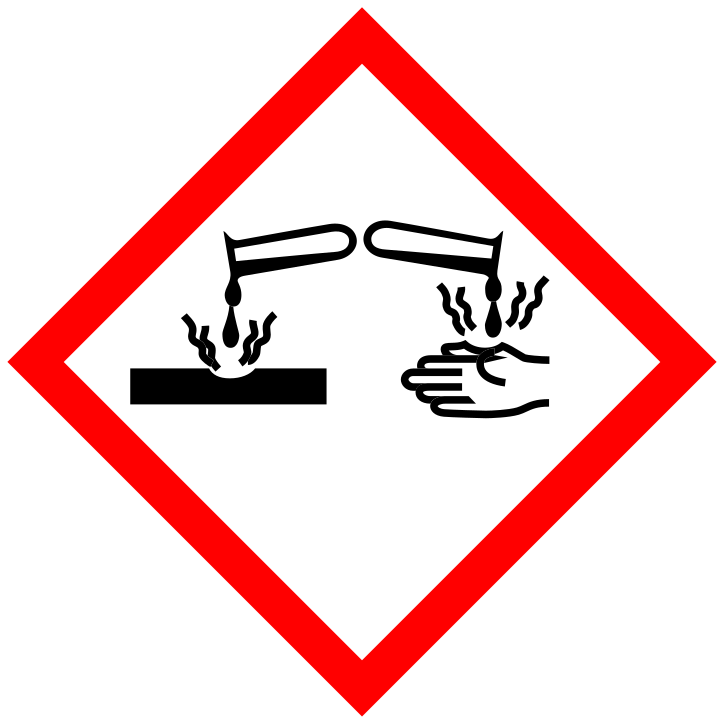
- H318: Causes serious eye damage.
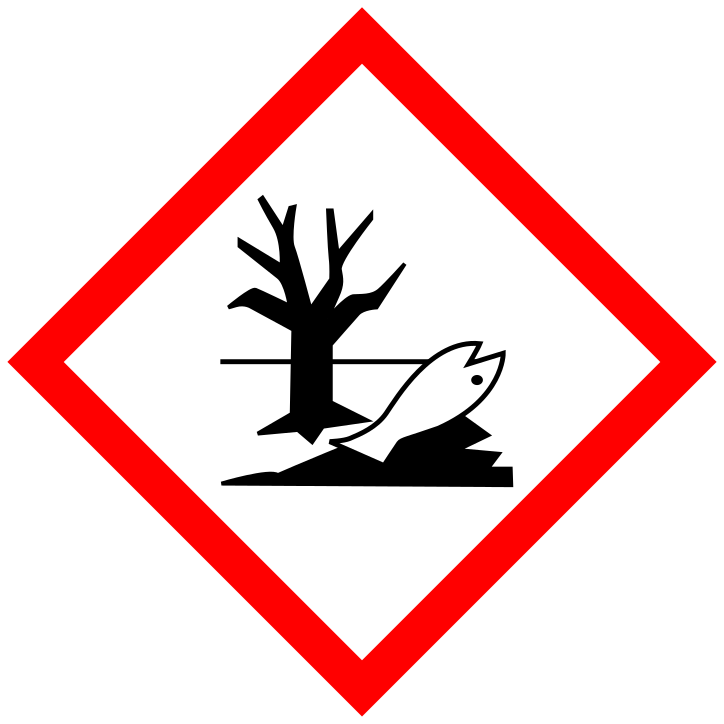
- H410: Very toxic to aquatic life with long lasting effects.
Lanthanum(III) nitrate hexahydrate, ROTI®REMETIC 99,99 %
CLP-Info
- H272: May intensify fire; oxidiser.
- H318: Causes serious eye damage.
- H410: Very toxic to aquatic life with long lasting effects.
Lanthanum(III) nitrate hexahydrate, ROTI®REMETIC 99,999 %

CLP-Info
- H315: Causes skin irritation.
- H319: Causes serious eye irritation.
- H335: May cause respiratory irritation.
- P261: Avoid breathing dust/fume/gas/mist/vapours/spray.
- P280: Wear protective gloves/protective clothing/eye protection/face protection.
- P304+P340: IF INHALED: Remove person to fresh air and keep comfortable for breathing.
- P305+P351+P338: IF IN EYES: Rinse cautiously with water for several minutes. Remove contact lenses, if present and easy to do. Continue rinsing.
- P337+P313: If eye irritation persists: Get medical advice/attention.
Lauric acid sodium salt, 97%
LAUROYLSARCOSINE, SODIUM SALT
CLP-Info
- H315: Causes skin irritation.
- H319: Causes serious eye irritation.
- H335: May cause respiratory irritation.
- P261: Avoid breathing dust/fume/gas/mist/vapours/spray.
LAURYL SULFATE LITHIUM, MOLECULAR*BIOLOG Y REAGENT
CLP-Info
- H290: May be corrosive to metals.
- EUH208: Contains . May produce an allergic reaction.
- EUH210: Safety data sheet available on request.
- P390: Absorb spillage to prevent material damage.
Lead AAS Standard, Certified Reference Material, 1000 mg/L Pb in HNO₃ 2%
CLP-Info
- H290: May be corrosive to metals.
- H315: Causes skin irritation.
- H318: Causes serious eye damage.
- EUH208: Contains Lead(II) nitrate. May produce an allergic reaction.
- P234: Keep only in original packaging.
- P264: Wash skin thoroughly after handling.
- P280: Wear protective gloves/protective clothing/eye protection/face protection.
- P302+P352: IF ON SKIN: Wash with plenty of water/skin
- P305+P351+P338: IF IN EYES: Rinse cautiously with water for several minutes. Remove contact lenses, if present and easy to do. Continue rinsing.
- P332+P313: If skin irritation occurs: Get medical advice/attention.
Lead Standard for AAS TraceCERT®, 1000 mg/L Pb in nitric acid, 1000 mg/L Pb in 2% nitric acid, prepared with high purity Pb(NO₃)₂, HNO₃and water
CLP-Info
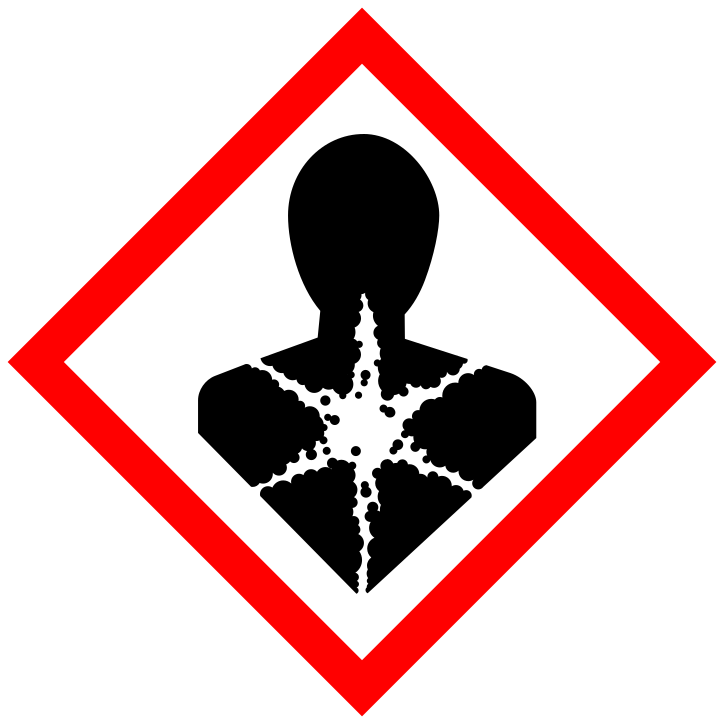
- H351: Suspected of causing cancer .
- H360Df: May damage the unborn child. Suspected of damaging fertility.
- H411: Toxic to aquatic life with long lasting effects.
- P273: Avoid release to the environment.
- P280: Wear protective gloves/protective clothing/eye protection/face protection.
- P308+P313: IF exposed or concerned: Get medical advice/attention.
- P391: Collect spillage.
- P405: Store locked up.
- P501: Dispose of contents/container to
Lead Acetate Cotton
CLP-Info
- H351: Suspected of causing cancer .
- H360Df: May damage the unborn child. Suspected of damaging fertility.
- H362: May cause harm to breast-fed children.
- H373: May cause damage to organs through prolonged or repeated exposure .
- H410: Very toxic to aquatic life with long lasting effects.
- P201: Obtain special instructions before use.
- P260: Do not breathe dust/fume/gas/mist/vapours/spray.
- P273: Avoid release to the environment.
- P280: Wear protective gloves/protective clothing/eye protection/face protection.
- P308+P313: IF exposed or concerned: Get medical advice/attention.
- P391: Collect spillage.
Lead acetate solution alkaline 245 g lead acetate trihydrate + 70 g lead oxide (litharge)/l
CLP-Info
- H351: Suspected of causing cancer .
- H360Df: May damage the unborn child. Suspected of damaging fertility.
- H362: May cause harm to breast-fed children.
- H373: May cause damage to organs through prolonged or repeated exposure .
- H410: Very toxic to aquatic life with long lasting effects.
- P201: Obtain special instructions before use.
- P260: Do not breathe dust/fume/gas/mist/vapours/spray.
- P273: Avoid release to the environment.
- P280: Wear protective gloves/protective clothing/eye protection/face protection.
- P308+P313: IF exposed or concerned: Get medical advice/attention.
- P391: Collect spillage.
Lead acetate solution alkaline for sugar industry
CLP-Info
- H351: Suspected of causing cancer .
- H360Df: May damage the unborn child. Suspected of damaging fertility.
- H362: May cause harm to breast-fed children.
- H373: May cause damage to organs through prolonged or repeated exposure .
- H410: Very toxic to aquatic life with long lasting effects.
- P201: Obtain special instructions before use.
- P260: Do not breathe dust/fume/gas/mist/vapours/spray.
- P273: Avoid release to the environment.
- P280: Wear protective gloves/protective clothing/eye protection/face protection.
- P308+P313: IF exposed or concerned: Get medical advice/attention.
- P391: Collect spillage.
Lead acetate solution 300 g lead acetate dissolved with 100 g lead(II) oxide/l for testing of hydrogen sulphide in liquid fuels according to DIN 51766:1974
Lead carbonate basic/ 99.9% 2PbCO3 . Pb(OH)2/ F.W. 775.67/ powder
CLP-Info
- H225: Highly flammable liquid and vapour.
- H304: May be fatal if swallowed and enters airways.
- H315: Causes skin irritation.
- H336: May cause drowsiness or dizziness.
- H360D: May damage the unborn child.
- H361f: Suspected of damaging fertility.
- H373: May cause damage to organs through prolonged or repeated exposure .
- H412: Harmful to aquatic life with long lasting effects.
Lead sulfide CANdots© quantum dot (PbS core - ~6nm), 10 mg/mL in toluene, 1400nm peak emission
CLP-Info
- H225: Highly flammable liquid and vapour.
- H304: May be fatal if swallowed and enters airways.
- H315: Causes skin irritation.
- H336: May cause drowsiness or dizziness.
- H373: May cause damage to organs through prolonged or repeated exposure .
- H400: Very toxic to aquatic life.
- H410: Very toxic to aquatic life with long lasting effects.
Lead sulfide CANdots® quantum dot (PbS core - ~3nm), 10 mg/mL in toluene, 1000nm peak emission
Lead sulfide CANdots® quantum dot (PbS core - ~4.5nm), 10 mg/mL in toluene, 1200nm peak emission
Lead sulfide CANdots® quantum dot (PbS core - ~8nm), 10 mg/mL in toluene, 1600nm peak emission
Lead tetrafluoroborate solution 50%
CLP-Info
- H351: Suspected of causing cancer .
- H360Df: May damage the unborn child. Suspected of damaging fertility.
- H373: May cause damage to organs through prolonged or repeated exposure .
- H400: Very toxic to aquatic life.
- H410: Very toxic to aquatic life with long lasting effects.
Lead(II) acetate basic