Filter products
Salts
CLP-Info
- H315: Causes skin irritation.
- H319: Causes serious eye irritation.
- H335: May cause respiratory irritation.
- P261: Avoid breathing dust/fume/gas/mist/vapours/spray.
Hydroxyapatite, nanopowder, <200nm (BET), ?97%, synthetic
CLP-Info
- H315: Causes skin irritation.
- H319: Causes serious eye irritation.
- H335: May cause respiratory irritation.
- P261: Avoid breathing dust/fume/gas/mist/vapours/spray.
HYDROXYAPATITE, SYNTHETIC, 99.999% METALS BASIS
CLP-Info
- H315: Causes skin irritation.
- H319: Causes serious eye irritation.
- H335: May cause respiratory irritation.
- P261: Avoid breathing dust/fume/gas/mist/vapours/spray.
HYDROXYAPATITE, SYNTHETIC, NANOPOWDER, <200NM (BET), CONTAINS 5 WT. % SILICA AS DOPANT
CLP-Info
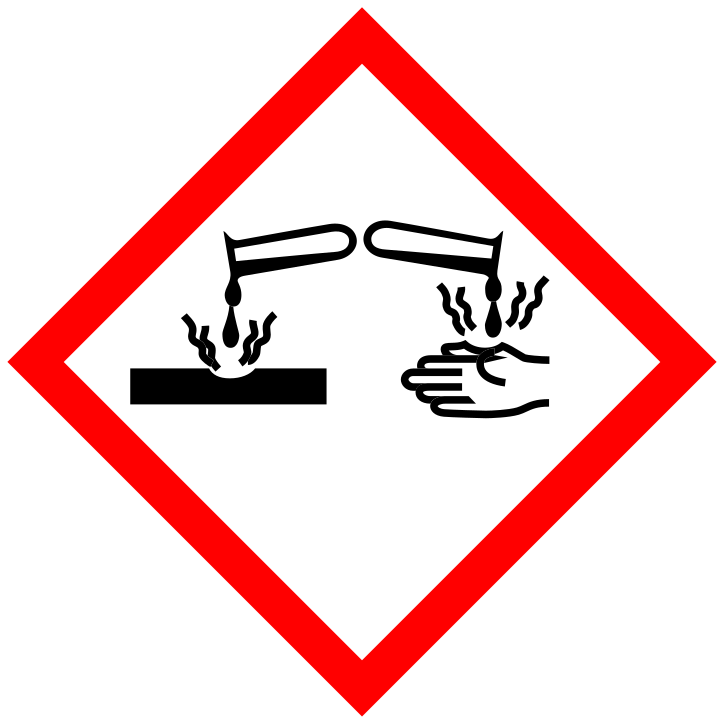
- H290: May be corrosive to metals.
- H302+H312: Harmful if swallowed or in contact with skin
- H315: Causes skin irritation.
- H317: May cause an allergic skin reaction.
- H319: Causes serious eye irritation.
- H351: Suspected of causing cancer .
- H373: May cause damage to organs through prolonged or repeated exposure .
- H400: Very toxic to aquatic life.
- P273: Avoid release to the environment.
- P302+P352: IF ON SKIN: Wash with plenty of water/
- P305+P351+P338: IF IN EYES: Rinse cautiously with water for several minutes. Remove contact lenses, if present and easy to do. Continue rinsing.
- P308+P311: IF exposed or concerned: Call a POISON CENTER/doctor/
Hydroxyl ammonium chloride for analysis, ACS, Reag. Ph. Eur. Hg < 0.01 ppm
CLP-Info
- H290: May be corrosive to metals.
- H302+H312: Harmful if swallowed or in contact with skin
- H315: Causes skin irritation.
- H317: May cause an allergic skin reaction.
- H319: Causes serious eye irritation.
- H351: Suspected of causing cancer .
- H373: May cause damage to organs through prolonged or repeated exposure .
- H400: Very toxic to aquatic life.
- P273: Avoid release to the environment.
- P302+P352: IF ON SKIN: Wash with plenty of water/
- P305+P351+P338: IF IN EYES: Rinse cautiously with water for several minutes. Remove contact lenses, if present and easy to do. Continue rinsing.
- P308+P311: IF exposed or concerned: Call a POISON CENTER/doctor/
Hydroxyl ammonium chloride for analysis Hg < 0.01 ppm
CLP-Info
- H290: May be corrosive to metals.
- H302+H312: Harmful if swallowed or in contact with skin
- H315: Causes skin irritation.
- H317: May cause an allergic skin reaction.
- H319: Causes serious eye irritation.
- H351: Suspected of causing cancer .
- H373: May cause damage to organs through prolonged or repeated exposure .
- H400: Very toxic to aquatic life.
- P273: Avoid release to the environment.
- P302+P352: IF ON SKIN: Wash with plenty of water/
- P305+P351+P338: IF IN EYES: Rinse cautiously with water for several minutes. Remove contact lenses, if present and easy to do. Continue rinsing.
- P308+P311: IF exposed or concerned: Call a POISON CENTER/doctor/
Hydroxyl ammonium chloride for analysis
CLP-Info
- H290: May be corrosive to metals.
- H302+H312: Harmful if swallowed or in contact with skin
- H315: Causes skin irritation.
- H317: May cause an allergic skin reaction.
- H319: Causes serious eye irritation.
- H351: Suspected of causing cancer .
- H373: May cause damage to organs through prolonged or repeated exposure .
- H400: Very toxic to aquatic life.
- P273: Avoid release to the environment.
- P302+P352: IF ON SKIN: Wash with plenty of water/
- P305+P351+P338: IF IN EYES: Rinse cautiously with water for several minutes. Remove contact lenses, if present and easy to do. Continue rinsing.
- P308+P311: IF exposed or concerned: Call a POISON CENTER/doctor/
Hydroxyl ammonium chloride pure
CLP-Info
- H315: Causes skin irritation.
- H317: May cause an allergic skin reaction.
- H319: Causes serious eye irritation.
- H351: Suspected of causing cancer .
- H373: May cause damage to organs through prolonged or repeated exposure .
- P201: Obtain special instructions before use.
- P202: Do not handle until all safety precautions have been read and understood.
- P260: Do not breathe dust/fume/gas/mist/vapours/spray.
- P305+P351+P338: IF IN EYES: Rinse cautiously with water for several minutes. Remove contact lenses, if present and easy to do. Continue rinsing.
- P405: Store locked up.
- P501: Dispose of contents/container to
Hydroxyl ammonium chloride solution 20 % pure in water suitable for determination of arsenic
CLP-Info
- H317: May cause an allergic skin reaction.
- H351: Suspected of causing cancer .
- P201: Obtain special instructions before use.
- P202: Do not handle until all safety precautions have been read and understood.
- P261: Avoid breathing dust/fume/gas/mist/vapours/spray.
- P280: Wear protective gloves/protective clothing/eye protection/face protection.
- P405: Store locked up.
- P501: Dispose of contents/container to
Hydroxyl ammonium chloride solution 5 % for analysis in water
CLP-Info
- H317: May cause an allergic skin reaction.
- H351: Suspected of causing cancer .
- P201: Obtain special instructions before use.
- P202: Do not handle until all safety precautions have been read and understood.
- P261: Avoid breathing dust/fume/gas/mist/vapours/spray.
- P280: Wear protective gloves/protective clothing/eye protection/face protection.
- P405: Store locked up.
- P501: Dispose of contents/container to
Hydroxyl ammonium chloride solution 7 % pure in water
CLP-Info
- H290: May be corrosive to metals.
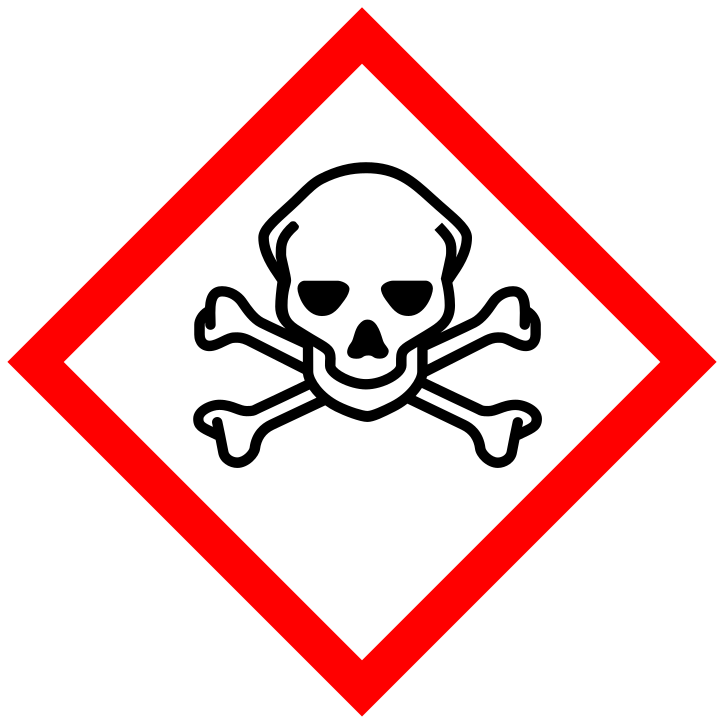
- H301: Toxic if swallowed.
- H312: Harmful in contact with skin.
- H315: Causes skin irritation.
- H317: May cause an allergic skin reaction.
- H319: Causes serious eye irritation.
- H351: Suspected of causing cancer .
- H373: May cause damage to organs through prolonged or repeated exposure .
- H400: Very toxic to aquatic life.
HYDROXYLAMIN HYDROCHLORID,ACS REAGENZ 96+%
HYDROXYLAMINE
CLP-Info
- H290: May be corrosive to metals.
- H302: Harmful if swallowed.
- H312: Harmful in contact with skin.
- H315: Causes skin irritation.
- H317: May cause an allergic skin reaction.
- H319: Causes serious eye irritation.
- H351: Suspected of causing cancer .
- H373: May cause damage to organs through prolonged or repeated exposure .
- H400: Very toxic to aquatic life.
- P273: Avoid release to the environment.
- P280: Wear protective gloves/protective clothing/eye protection/face protection.
Hydroxylamine hydrochloride
CLP-Info
- H290: May be corrosive to metals.
- H302+H312: Harmful if swallowed or in contact with skin
- H315: Causes skin irritation.
- H317: May cause an allergic skin reaction.
- H319: Causes serious eye irritation.
- H351: Suspected of causing cancer .
- H373: May cause damage to organs through prolonged or repeated exposure .
- H410: Very toxic to aquatic life with long lasting effects.
- P260: Do not breathe dust/fume/gas/mist/vapours/spray.
- P273: Avoid release to the environment.
- P280: Wear protective gloves/protective clothing/eye protection/face protection.
- P301+P312: IF SWALLOWED: Call a POISON CENTRE/doctor/ if you feel unwell.
- P302+P352: IF ON SKIN: Wash with plenty of water/
- P308+P313: IF exposed or concerned: Get medical advice/attention.
- P312: Call a POISON CENTRE/doctor/ if you feel unwell.
Hydroxylamine hydrochloride, ReagentPlus, 99%
CLP-Info
- H290: May be corrosive to metals.
- H302: Harmful if swallowed.
- H312: Harmful in contact with skin.
- H315: Causes skin irritation.
- H317: May cause an allergic skin reaction.
- H319: Causes serious eye irritation.
- H351: Suspected of causing cancer .
- H373: May cause damage to organs through prolonged or repeated exposure .
- H400: Very toxic to aquatic life.
- P201: Obtain special instructions before use.
Hydroxylamine hydrochloride 0.97
CLP-Info
- H290: May be corrosive to metals.
- H301: Toxic if swallowed.
- H312: Harmful in contact with skin.
- H315: Causes skin irritation.
- H317: May cause an allergic skin reaction.
- H319: Causes serious eye irritation.
- H351: Suspected of causing cancer .
- H373: May cause damage to organs through prolonged or repeated exposure .
- H400: Very toxic to aquatic life.
Hydroxylamine hydrochloride 97%
CLP-Info
- H225: Highly flammable liquid and vapour.
- H301+H311+H331: Toxic if swallowed, in contact with skin or if inhaled
- H317: May cause an allergic skin reaction.
- H351: Suspected of causing cancer .
- H370: Causes damage to organs .
- P201: Obtain special instructions before use.
- P210: Keep away from heat, hot surfaces, sparks, open flames and other ignition sources. No smoking.
- P260: Do not breathe dust/fume/gas/mist/vapours/spray.
- P301+P310: IF SWALLOWED: Immediately call a POISON CENTER/doctor/
- P303+P361+P353: IF ON SKIN (or hair): Take off immediately all contaminated clothing. Rinse skin with water [or shower].
- P405: Store locked up.
- P501: Dispose of contents/container to
Hydroxylamine hydrochloride solution 70 g/l in methanol R reag. Ph. Eur., chapter 2.3.1
CLP-Info
- H290: May be corrosive to metals.
- H301: Toxic if swallowed.
- H312: Harmful in contact with skin.
- H315: Causes skin irritation.
- H317: May cause an allergic skin reaction.
- H319: Causes serious eye irritation.
- H351: Suspected of causing cancer .
- H373: May cause damage to organs through prolonged or repeated exposure .
- H400: Very toxic to aquatic life.
Hydroxylamine hydrochloride, 98%