Filter products
Salts
AMMONIUMCHROMAT ZUR ANALYSE
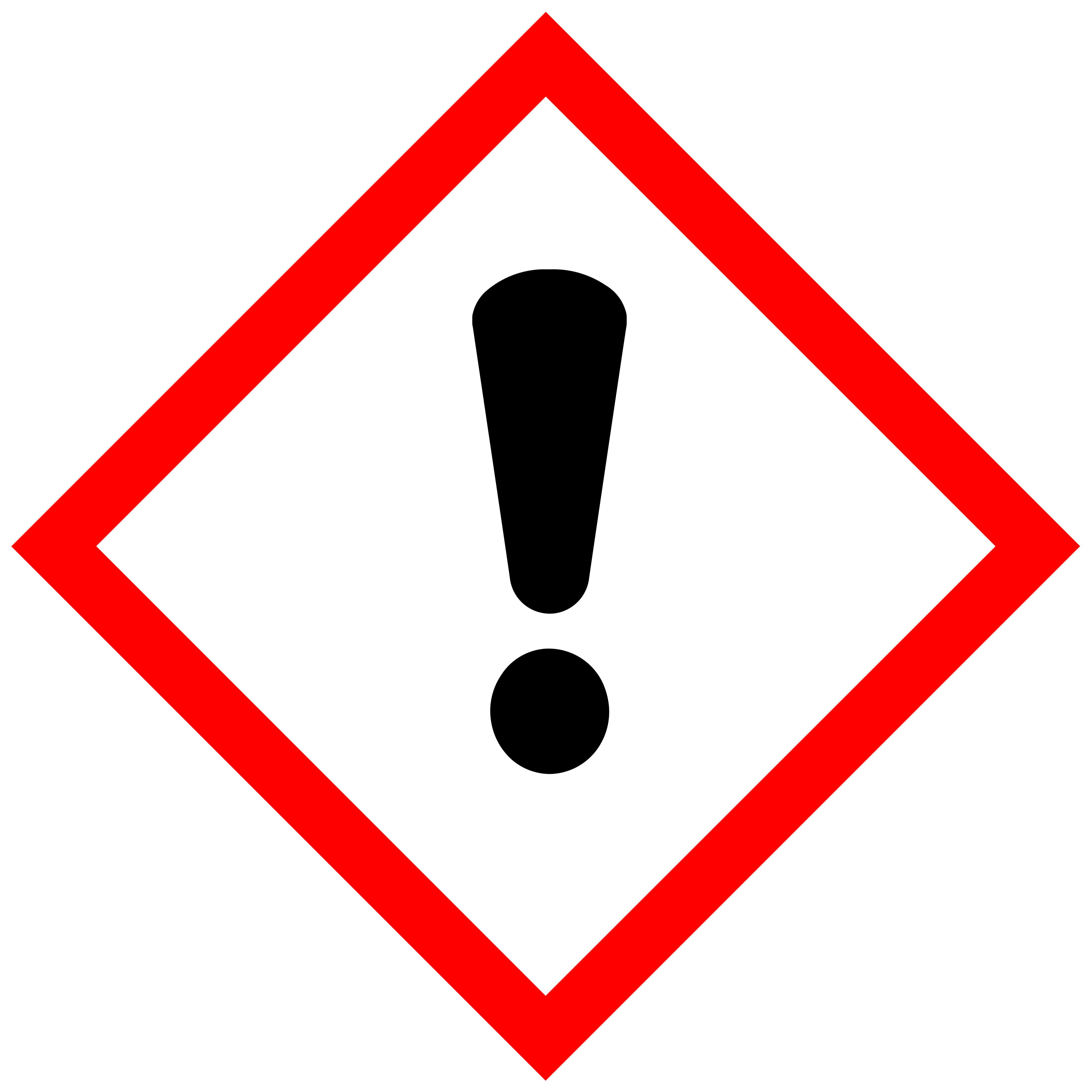
CLP-Info
- H315: Causes skin irritation.
- H319: Causes serious eye irritation.
- H335: May cause respiratory irritation.
Ammoniumeisen(II)-sulfat-Hexahydrat, 99+ %, zur Analyse, ACROS Organics™
Ammoniumeisen(III)-citrat reagent grade, powder
AMMONIUMEISEN(III)-SULFAT DODECAHYDRAT P.A.
Use
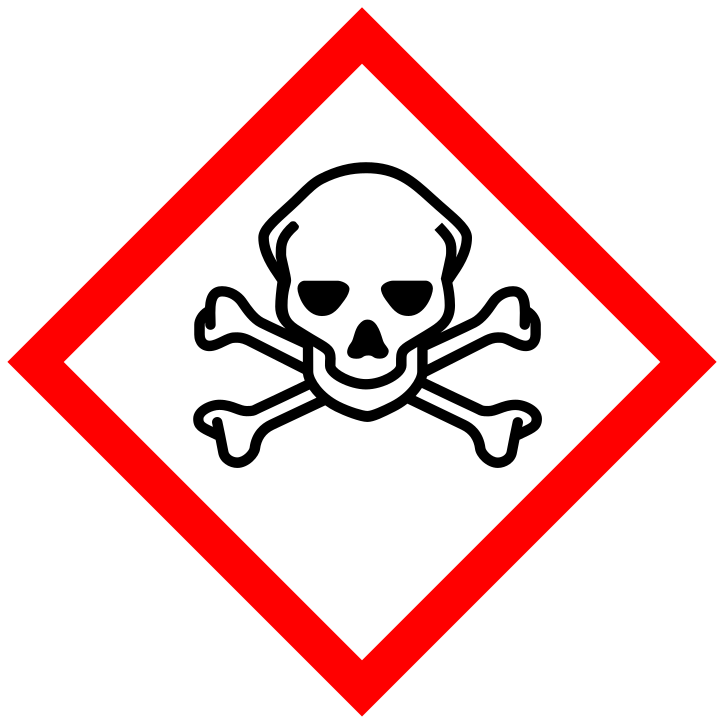
CLP-Info
- H301+H311+H331: Toxic if swallowed, in contact with skin or if inhaled
- P261: Avoid breathing dust/fume/gas/mist/vapours/spray.
- P264: Wash thoroughly after handling.
- P280: Wear protective gloves/protective clothing/eye protection/face protection.
- P301+P310: IF SWALLOWED: Immediately call a POISON CENTER/doctor/
Ammoniumfluorid, >= 98.0 %, ACS reagent
Use
CLP-Info
- H301+H311+H331: Toxic if swallowed, in contact with skin or if inhaled
Ammoniumfluoride, min. 98 %, p.a., ACS
CLP-Info
- H319: Causes serious eye irritation.
- P264: Wash thoroughly after handling.
- P280: Wear protective gloves/protective clothing/eye protection/face protection.
- P305+P351+P338: IF IN EYES: Rinse cautiously with water for several minutes. Remove contact lenses, if present and easy to do. Continue rinsing.
- P337+P313: If eye irritation persists: Get medical advice/attention.
AMMONIUMFORMAT REAGENT GRADE, 97 %
CLP-Info
- H302: Harmful if swallowed.
- H315: Causes skin irritation.
- H319: Causes serious eye irritation.
- H335: May cause respiratory irritation.
AMMONIUMHEPTAMOLYBDAT TETRAHYDRAT P.A.
AMMONIUMHYDROGEN PHOSPHAT
Use
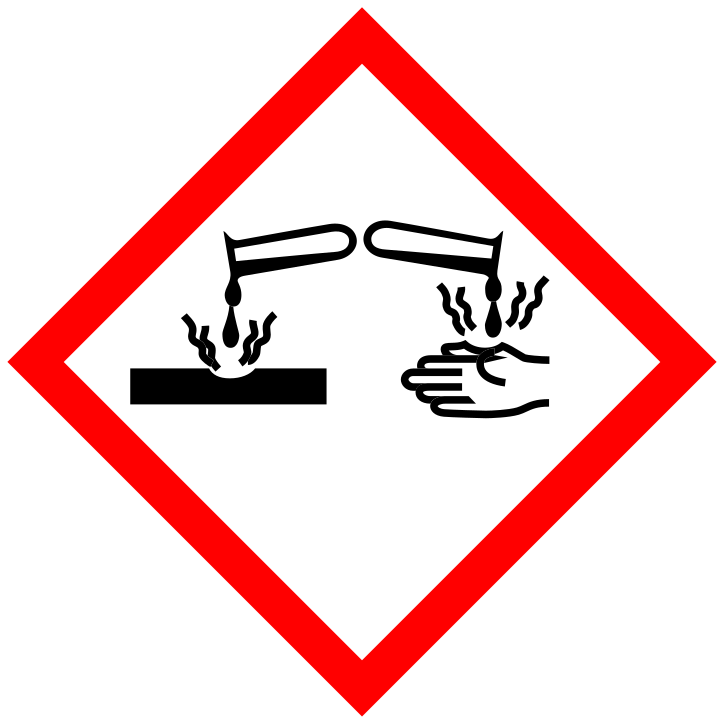
CLP-Info
- H301: Toxic if swallowed.
- H314: Causes severe skin burns and eye damage.
Ammoniumhydrogendifluorid, 95%, extra pure
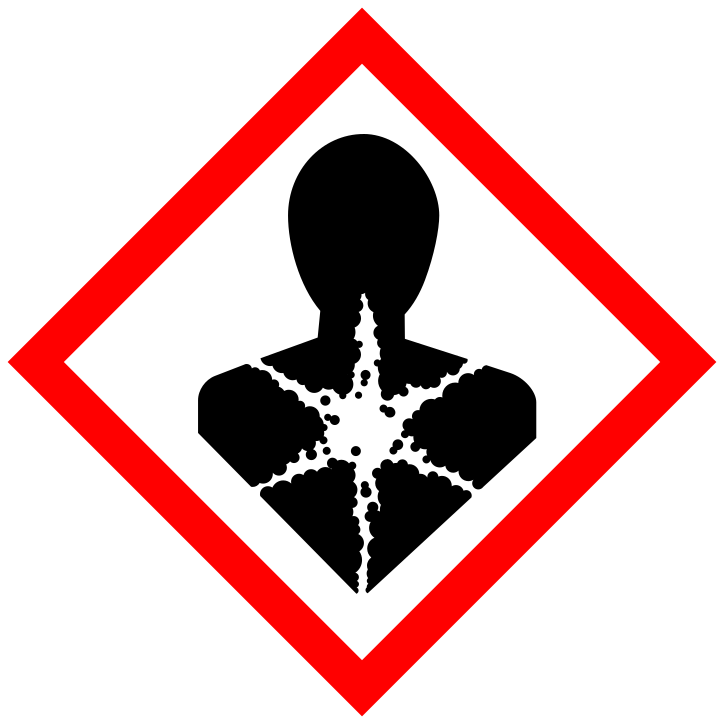
CLP-Info
- H301: Toxic if swallowed.
- H319: Causes serious eye irritation.
- H332: Harmful if inhaled.
- H372: Causes damage to organs through prolonged or repeated exposure .
- H411: Toxic to aquatic life with long lasting effects.
- P273: Avoid release to the environment.
- P305+P351+P338: IF IN EYES: Rinse cautiously with water for several minutes. Remove contact lenses, if present and easy to do. Continue rinsing.
- P314: Get medical advice/attention if you feel unwell.
Ammoniummetavanadat puriss. p.a., ACS reagent, ≥99.0% (RT)
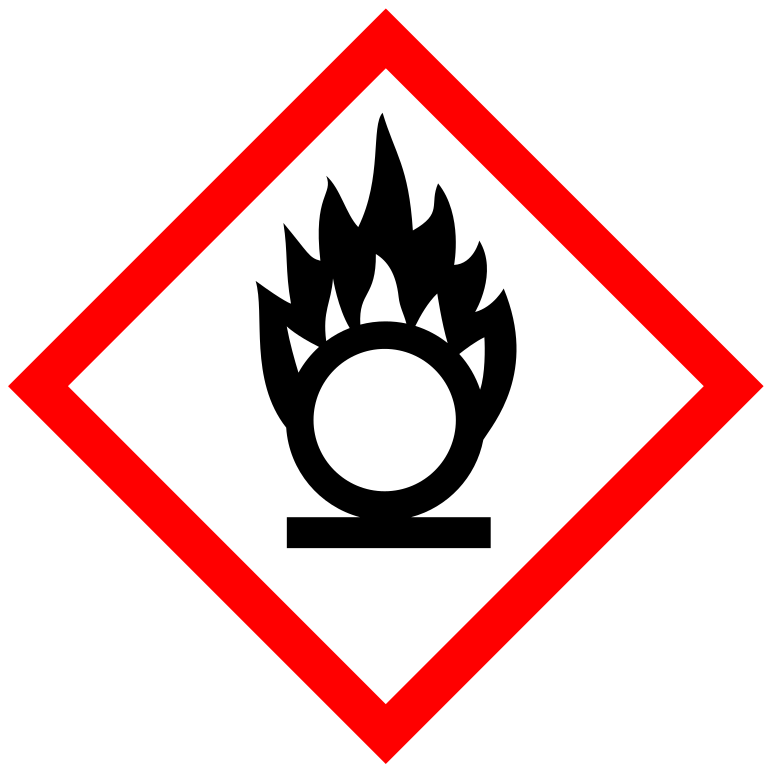
CLP-Info
- H272: May intensify fire; oxidiser.
- H319: Causes serious eye irritation.
- P210: Keep away from heat, hot surfaces, sparks, open flames and other ignition sources. No smoking.
- P220: Keep away from clothing and other combustible materials.
- P264: Wash thoroughly after handling.
- P280: Wear protective gloves/protective clothing/eye protection/face protection.
- P337+P313: If eye irritation persists: Get medical advice/attention.
Ammoniumnitrat ACS reagent, ≥98%
CLP-Info
- H315: Causes skin irritation.
- H319: Causes serious eye irritation.
- H335: May cause respiratory irritation.
- P280: Wear protective gloves/protective clothing/eye protection/face protection.
- P302+P352: IF ON SKIN: Wash with plenty of water/
- P304+P340: IF INHALED: Remove person to fresh air and keep comfortable for breathing.
- P305+P351+P338: IF IN EYES: Rinse cautiously with water for several minutes. Remove contact lenses, if present and easy to do. Continue rinsing.
AMMONIUMSULFATE FOR BIOCHEMI.
Ammoniumthiocyanat Powder
Ammoniumthiosulfat, 96 %
CLP-Info
- H301: Toxic if swallowed.
- H311: Toxic in contact with skin.
- H317: May cause an allergic skin reaction.
- H318: Causes serious eye damage.
- H331: Toxic if inhaled.
- H341: Suspected of causing genetic defects .
- H351: Suspected of causing cancer .
- H372: Causes damage to organs through prolonged or repeated exposure .
- H400: Very toxic to aquatic life.
- P261: Avoid breathing dust/fume/gas/mist/vapours/spray.
- P273: Avoid release to the environment.
- P280: Wear protective gloves/protective clothing/eye protection/face protection.
- P311: Call a POISON CENTER/doctor/
ANILINE HYDROCHLORIDE
CLP-Info
- H315: Causes skin irritation.
- H317: May cause an allergic skin reaction.
- H319: Causes serious eye irritation.
- P280: Wear protective gloves/protective clothing/eye protection/face protection.
- P338: Remove contact lenses, if present and easy to do. Continue rinsing.
Aniline hydrochloride
CLP-Info
- H301: Toxic if swallowed.
- H311: Toxic in contact with skin.
- H317: May cause an allergic skin reaction.
- H318: Causes serious eye damage.
- H331: Toxic if inhaled.
- H341: Suspected of causing genetic defects .
- H351: Suspected of causing cancer .
- H372: Causes damage to organs through prolonged or repeated exposure .
- H400: Very toxic to aquatic life.
- P201: Obtain special instructions before use.
Aniline hydrochloride 0.95
CLP-Info
- H301+H311+H331: Toxic if swallowed, in contact with skin or if inhaled
- H315: Causes skin irritation.
- H317: May cause an allergic skin reaction.
- H318: Causes serious eye damage.
- H341: Suspected of causing genetic defects .
- H351: Suspected of causing cancer .
- H372: Causes damage to organs through prolonged or repeated exposure .
- H400: Very toxic to aquatic life.
Aniline hydrochloride, 99%
CLP-Info
- H301: Toxic if swallowed.
- H311: Toxic in contact with skin.
- H317: May cause an allergic skin reaction.
- H318: Causes serious eye damage.
- H331: Toxic if inhaled.
- H341: Suspected of causing genetic defects .
- H351: Suspected of causing cancer .
- H372: Causes damage to organs through prolonged or repeated exposure .
- H400: Very toxic to aquatic life.
- P201: Obtain special instructions before use.
- P260: Do not breathe dust/fume/gas/mist/vapours/spray.
- P305+P351+P338: IF IN EYES: Rinse cautiously with water for several minutes. Remove contact lenses, if present and easy to do. Continue rinsing.
- P405: Store locked up.
Aniline hydrochloride, 99%