Filter products
Salts
CLP-Info
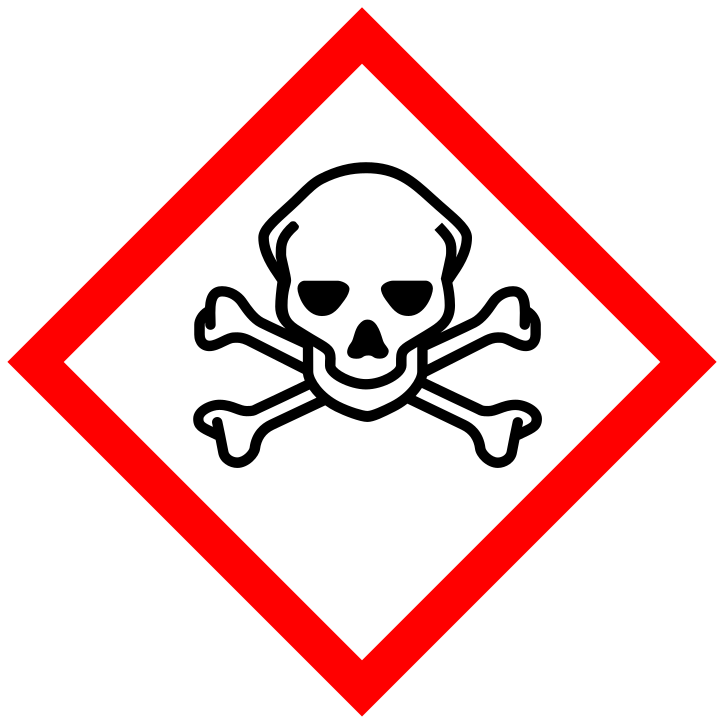
- H300: Fatal if swallowed.
- H330: Fatal if inhaled.
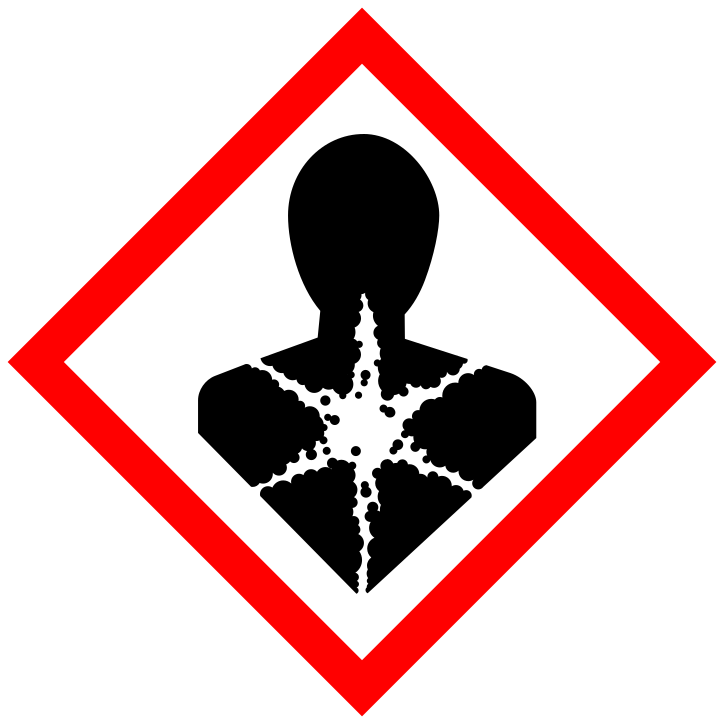
- H373: May cause damage to organs through prolonged or repeated exposure .
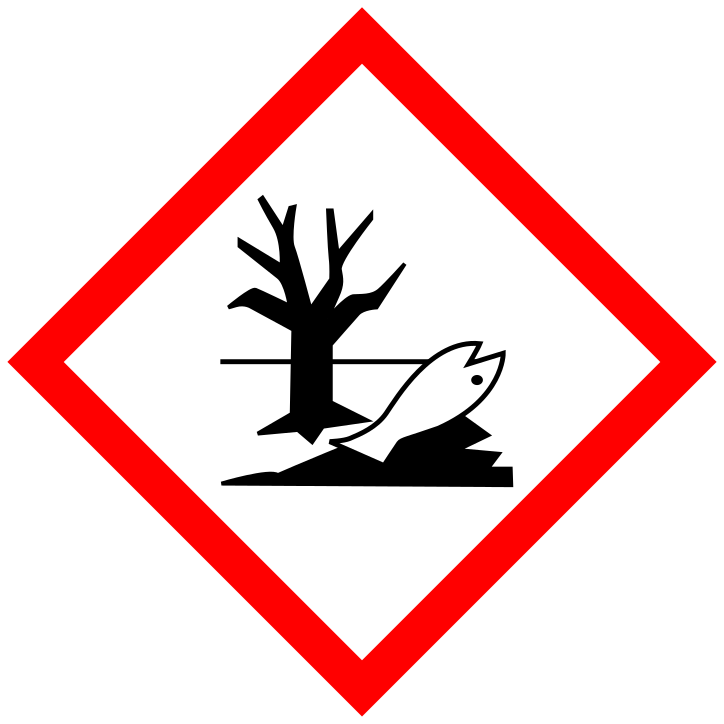
- H400: Very toxic to aquatic life.
- H411: Toxic to aquatic life with long lasting effects.
Thallium(I) nitrate, (99.5%-Tl)
CLP-Info
- H300: Fatal if swallowed.
- H330: Fatal if inhaled.
- H373: May cause damage to organs through prolonged or repeated exposure .
- H411: Toxic to aquatic life with long lasting effects.
- P260: Do not breathe dust/fume/gas/mist/vapours/spray.
- P264: Wash thoroughly after handling.
- P273: Avoid release to the environment.
- P284: [In case of inadequate ventilation] wear respiratory protection.
- P310: Immediately call a POISON CENTER/doctor/
Thallium(I) nitrate, 99.9% metals basis
CLP-Info
- H300: Fatal if swallowed.
- H330: Fatal if inhaled.
- H373: May cause damage to organs through prolonged or repeated exposure .
- H411: Toxic to aquatic life with long lasting effects.
- P260: Do not breathe dust/fume/gas/mist/vapours/spray.
- P264: Wash thoroughly after handling.
- P273: Avoid release to the environment.
- P284: [In case of inadequate ventilation] wear respiratory protection.
- P310: Immediately call a POISON CENTER/doctor/
THALLIUM(I) NITRATE, 99.999% METALS BAS&
CLP-Info
- H300: Fatal if swallowed.
- H311: Toxic in contact with skin.
- H315: Causes skin irritation.
- H372: Causes damage to organs through prolonged or repeated exposure .
- H400: Very toxic to aquatic life.
- H411: Toxic to aquatic life with long lasting effects.
Thallium(I) sulfate, (99.999%-Tl) PURATREM
CLP-Info
- H300: Fatal if swallowed.
- H315: Causes skin irritation.
- H372: Causes damage to organs through prolonged or repeated exposure .
- H411: Toxic to aquatic life with long lasting effects.
- P260: Do not breathe dust/fume/gas/mist/vapours/spray.
- P273: Avoid release to the environment.
- P405: Store locked up.
Thallium(I) sulfate, 99.5% min (metals basis)
CLP-Info
- H300: Fatal if swallowed.
- H315: Causes skin irritation.
- H372: Causes damage to organs through prolonged or repeated exposure .
- H411: Toxic to aquatic life with long lasting effects.
- P264: Wash thoroughly after handling.
- P273: Avoid release to the environment.
- P314: Get medical advice/attention if you feel unwell.
Thallium(I) sulfate, 99.995% metals basis
THALLIUM(I)NITRAT, 99.50%
CLP-Info
- H314: Causes severe skin burns and eye damage.
Thallium, plasma standard solution, Specpure®, Tl 1000µg/ml
CLP-Info
- H314: Causes severe skin burns and eye damage.
Thallium, plasma standard solution, Specpure®, Tl 10,000µg/ml
THIOGLYCOLIC ACID
THIOGLYCOLIC ACID
THIOGLYCOLIC ACID
CLP-Info
- H290: May be corrosive to metals.
- H301: Toxic if swallowed.
- H312: Harmful in contact with skin.
- H315: Causes skin irritation.
- H317: May cause an allergic skin reaction.
- H319: Causes serious eye irritation.
- H335: May cause respiratory irritation.
- H361: Suspected of damaging fertility or the unborn child .
- H373: May cause damage to organs through prolonged or repeated exposure .
- P201: Obtain special instructions before use.
Thioglycolic acid sodium salt >93%
Tin tetrafluoroborate solution 50%
CLP-Info
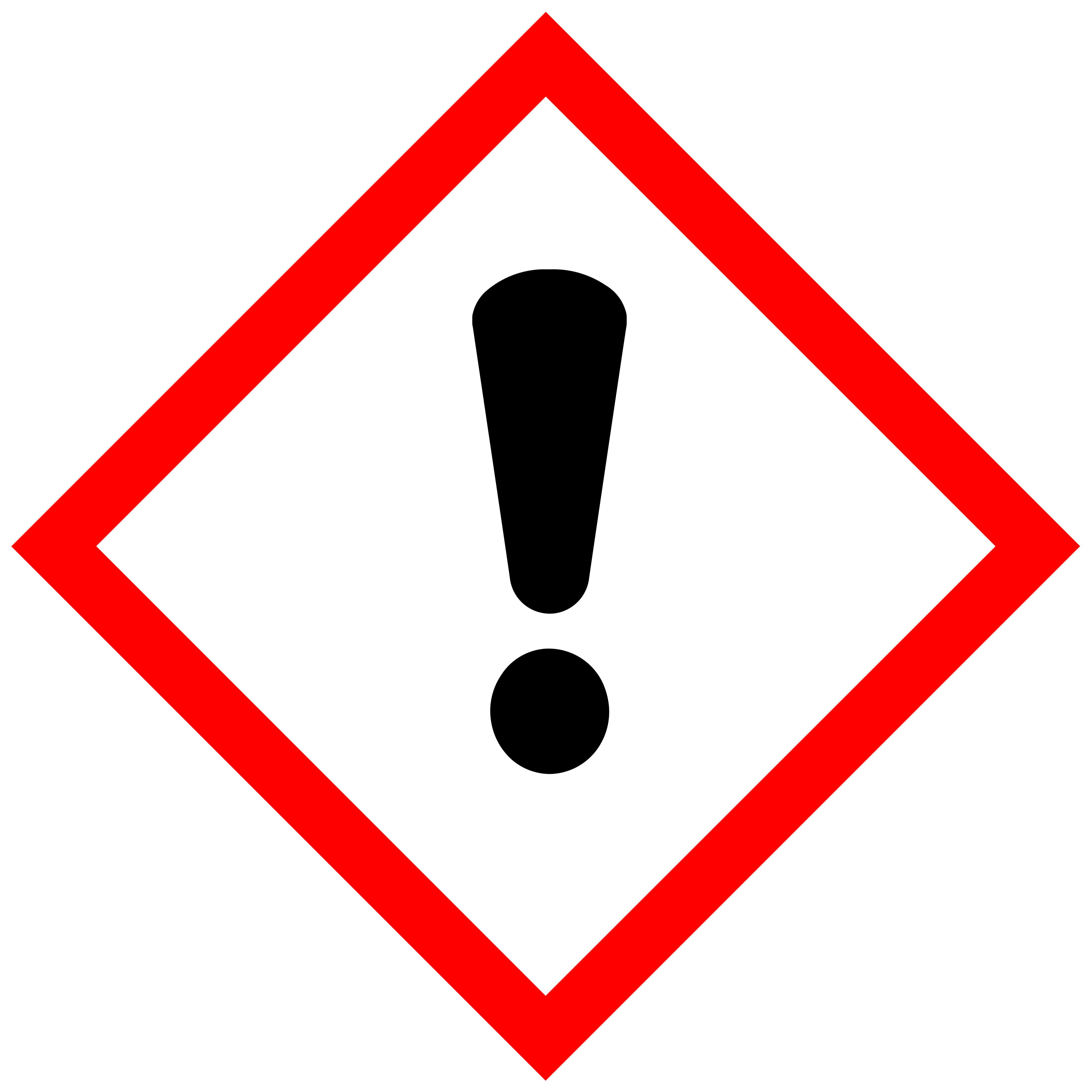
- H315: Causes skin irritation.
- H317: May cause an allergic skin reaction.
- H319: Causes serious eye irritation.
- H332: Harmful if inhaled.
- H335: May cause respiratory irritation.
- H341: Suspected of causing genetic defects .
- H361: Suspected of damaging fertility or the unborn child .
- H373: May cause damage to organs through prolonged or repeated exposure .
- H410: Very toxic to aquatic life with long lasting effects.
- P201: Obtain special instructions before use.
- P202: Do not handle until all safety precautions have been read and understood.
- P261: Avoid breathing dust/fume/gas/mist/vapours/spray.
- P264: Wash thoroughly after handling.
- P270: Do not eat, drink or smoke when using this product.
- P271: Use only outdoors or in a well-ventilated area.
- P273: Avoid release to the environment.
- P280: Wear protective gloves/protective clothing/eye protection/face protection.
- P301+P310: IF SWALLOWED: Immediately call a POISON CENTER/doctor/
- P301+P312: IF SWALLOWED: Call a POISON CENTRE/doctor/ if you feel unwell.
- P302+P352: IF ON SKIN: Wash with plenty of water/
- P304+P340: IF INHALED: Remove person to fresh air and keep comfortable for breathing.
- P305+P351+P338: IF IN EYES: Rinse cautiously with water for several minutes. Remove contact lenses, if present and easy to do. Continue rinsing.
- P308+P313: IF exposed or concerned: Get medical advice/attention.
- P312: Call a POISON CENTRE/doctor/ if you feel unwell.
- P321: Specific treatment (see on this label).
- P330: Rinse mouth.
- P331: Do NOT induce vomiting.
- P332+P313: If skin irritation occurs: Get medical advice/attention.
- P337+P313: If eye irritation persists: Get medical advice/attention.
- P362: Take off contaminated clothing.
- P391: Collect spillage.
- P403+P233: Store in a well-ventilated place. Keep container tightly closed.
- P405: Store locked up.
- P501: Dispose of contents/container to
Tin(II) Chloride 2-hydrate (Reag. USP, Ph. Eur.) for analysis, ACS
CLP-Info
- H315: Causes skin irritation.
- H317: May cause an allergic skin reaction.
- H319: Causes serious eye irritation.
- H332: Harmful if inhaled.
- H335: May cause respiratory irritation.
- H341: Suspected of causing genetic defects .
- H361: Suspected of damaging fertility or the unborn child .
- H373: May cause damage to organs through prolonged or repeated exposure .
- H410: Very toxic to aquatic life with long lasting effects.
- P201: Obtain special instructions before use.
- P202: Do not handle until all safety precautions have been read and understood.
- P261: Avoid breathing dust/fume/gas/mist/vapours/spray.
- P264: Wash thoroughly after handling.
- P270: Do not eat, drink or smoke when using this product.
- P271: Use only outdoors or in a well-ventilated area.
- P273: Avoid release to the environment.
- P280: Wear protective gloves/protective clothing/eye protection/face protection.
- P301+P310: IF SWALLOWED: Immediately call a POISON CENTER/doctor/
- P301+P312: IF SWALLOWED: Call a POISON CENTRE/doctor/ if you feel unwell.
- P302+P352: IF ON SKIN: Wash with plenty of water/
- P304+P340: IF INHALED: Remove person to fresh air and keep comfortable for breathing.
- P305+P351+P338: IF IN EYES: Rinse cautiously with water for several minutes. Remove contact lenses, if present and easy to do. Continue rinsing.
- P308+P313: IF exposed or concerned: Get medical advice/attention.
- P312: Call a POISON CENTRE/doctor/ if you feel unwell.
- P321: Specific treatment (see on this label).
- P330: Rinse mouth.
- P331: Do NOT induce vomiting.
- P332+P313: If skin irritation occurs: Get medical advice/attention.
- P337+P313: If eye irritation persists: Get medical advice/attention.
- P362: Take off contaminated clothing.
- P391: Collect spillage.
- P403+P233: Store in a well-ventilated place. Keep container tightly closed.
- P405: Store locked up.
- P501: Dispose of contents/container to
Tin(II) Chloride 2-hydrate pure
CLP-Info
- H290: May be corrosive to metals.
- H302: Harmful if swallowed.
- H314: Causes severe skin burns and eye damage.
- H317: May cause an allergic skin reaction.
- H318: Causes serious eye damage.
- H332: Harmful if inhaled.
- H335: May cause respiratory irritation.
- H373: May cause damage to organs through prolonged or repeated exposure .
- H412: Harmful to aquatic life with long lasting effects.
- P233: Keep container tightly closed.
Tin(II) Chloride 99.5%
CLP-Info
- H315: Causes skin irritation.
- H317: May cause an allergic skin reaction.
- H319: Causes serious eye irritation.
- H332: Harmful if inhaled.
- H335: May cause respiratory irritation.
- H341: Suspected of causing genetic defects .
- H361: Suspected of damaging fertility or the unborn child .
- H373: May cause damage to organs through prolonged or repeated exposure .
- H410: Very toxic to aquatic life with long lasting effects.
- P201: Obtain special instructions before use.
- P260: Do not breathe dust/fume/gas/mist/vapours/spray.
- P273: Avoid release to the environment.
- P305+P351+P338: IF IN EYES: Rinse cautiously with water for several minutes. Remove contact lenses, if present and easy to do. Continue rinsing.
- P405: Store locked up.
- P501: Dispose of contents/container to
Tin(II) chloride dihydrate for analysis
CLP-Info
- H302+H332: Harmful if swallowed or if inhaled
- H314: Causes severe skin burns and eye damage.
- H317: May cause an allergic skin reaction.
- H335: May cause respiratory irritation.
- H373: May cause damage to organs through prolonged or repeated exposure .
- H412: Harmful to aquatic life with long lasting effects.
TIN(II) CHLORIDE DIHYDRATE FORANALYSIS HG < 0,1 PPB plastic bottle
CLP-Info
- H315: Causes skin irritation.
- H317: May cause an allergic skin reaction.
- H319: Causes serious eye irritation.
- H332: Harmful if inhaled.
- H335: May cause respiratory irritation.
- H341: Suspected of causing genetic defects .
- H361: Suspected of damaging fertility or the unborn child .
- H373: May cause damage to organs through prolonged or repeated exposure .
- H410: Very toxic to aquatic life with long lasting effects.
- P201: Obtain special instructions before use.
- P260: Do not breathe dust/fume/gas/mist/vapours/spray.
- P273: Avoid release to the environment.
- P305+P351+P338: IF IN EYES: Rinse cautiously with water for several minutes. Remove contact lenses, if present and easy to do. Continue rinsing.
- P405: Store locked up.
- P501: Dispose of contents/container to
Tin(II) chloride dihydrate for analysis, Reag. Ph. Eur.