Filter products
Heterocyclic compounds
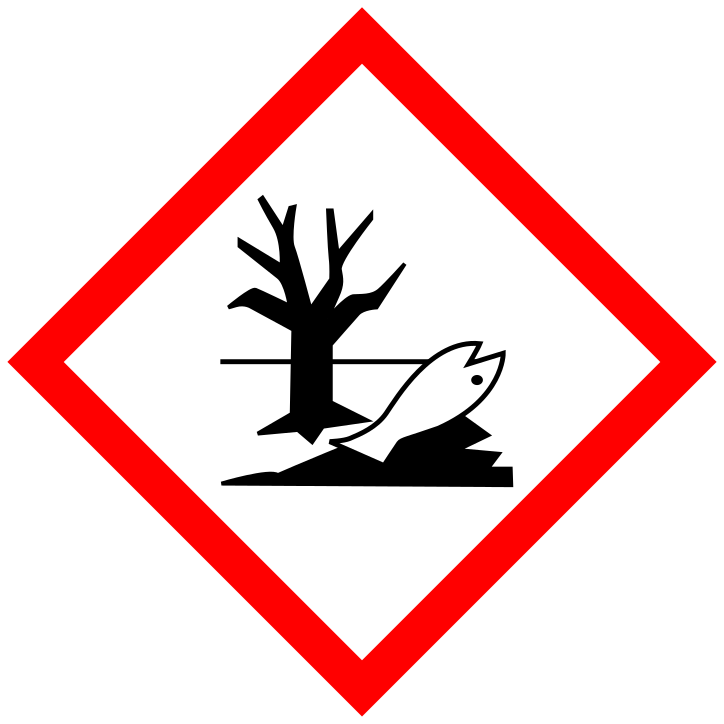
CLP-Info
- H410: Very toxic to aquatic life with long lasting effects.
- P273: Avoid release to the environment.
- P501: Dispose of contents/container to
TRIASULFURON PESTANAL
CLP-Info
- H332: Harmful if inhaled.
- H400: Very toxic to aquatic life.
- H410: Very toxic to aquatic life with long lasting effects.
- P261: Avoid breathing dust/fume/gas/mist/vapours/spray.
- P271: Use only outdoors or in a well-ventilated area.
- P273: Avoid release to the environment.
- P304+P340: IF INHALED: Remove person to fresh air and keep comfortable for breathing.
- P312: Call a POISON CENTRE/doctor/ if you feel unwell.
- P391: Collect spillage.
- P501: Dispose of contents/container to
Triasulfuron, neat, produced according to ISO 17034
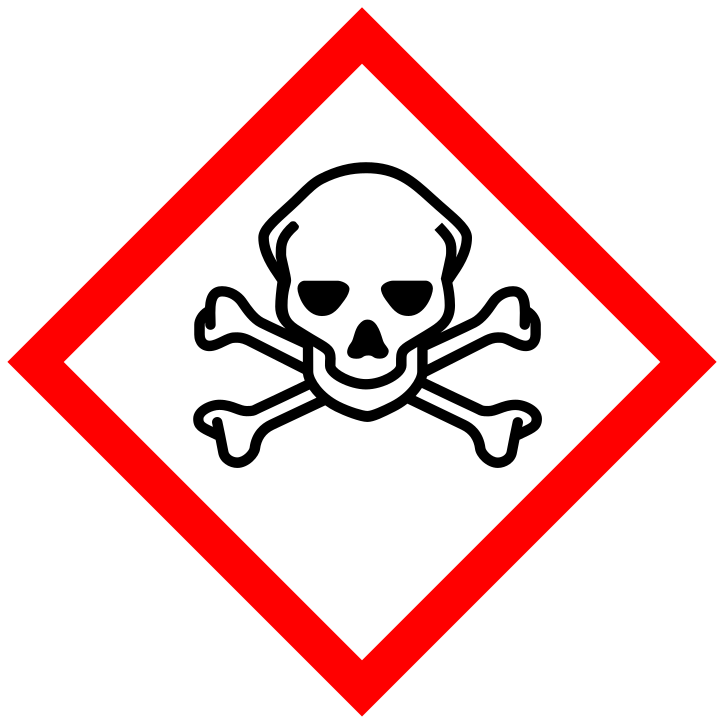
CLP-Info
- H301: Toxic if swallowed.
- H312: Harmful in contact with skin.
- H331: Toxic if inhaled.
- H410: Very toxic to aquatic life with long lasting effects.
- P261: Avoid breathing dust/fume/gas/mist/vapours/spray.
- P273: Avoid release to the environment.
- P280: Wear protective gloves/protective clothing/eye protection/face protection.
- P301+P310: IF SWALLOWED: Immediately call a POISON CENTER/doctor/
- P311: Call a POISON CENTER/doctor/
- P501: Dispose of contents/container to an approved waste disposal plant
Triazophos (ISO 17034 RM)
CLP-Info
- H225: Highly flammable liquid and vapour.
- H302: Harmful if swallowed.
- H312: Harmful in contact with skin.
- H319: Causes serious eye irritation.
- H332: Harmful if inhaled.
- P210: Keep away from heat, hot surfaces, sparks, open flames and other ignition sources. No smoking.
- P280: Wear protective gloves/protective clothing/eye protection/face protection.
- P338: Remove contact lenses, if present and easy to do. Continue rinsing.
Triazophos (ISO 17034 CRM)
CLP-Info
- H225: Highly flammable liquid and vapour.
- H319: Causes serious eye irritation.
- H336: May cause drowsiness or dizziness.
- H412: Harmful to aquatic life with long lasting effects.
- P210: Keep away from heat, hot surfaces, sparks, open flames and other ignition sources. No smoking.
- P233: Keep container tightly closed.
- P240: Ground and bond container and receiving equipment.
- P241: Use explosion-proof [electrical/ventilating/lighting/] equipment.
- P242: Use non-sparking tools.
- P243: Take action to prevent static discharges.
- P261: Avoid breathing dust/fume/gas/mist/vapours/spray.
- P264: Wash thoroughly after handling.
- P271: Use only outdoors or in a well-ventilated area.
- P273: Avoid release to the environment.
- P280: Wear protective gloves/protective clothing/eye protection/face protection.
- P303+P361+P353: IF ON SKIN (or hair): Take off immediately all contaminated clothing. Rinse skin with water [or shower].
- P304+P340: IF INHALED: Remove person to fresh air and keep comfortable for breathing.
- P305+P351+P338: IF IN EYES: Rinse cautiously with water for several minutes. Remove contact lenses, if present and easy to do. Continue rinsing.
- P312: Call a POISON CENTRE/doctor/ if you feel unwell.
- P337+P313: If eye irritation persists: Get medical advice/attention.
- P370+P378: In case of fire: Use to extinguish.
- P403+P233: Store in a well-ventilated place. Keep container tightly closed.
- P403+P235: Store in a well-ventilated place. Keep cool.
- P405: Store locked up.
- P501: Dispose of contents/container to
Triazophos 100 µg/mL in Acetone, Single Solution, produced according to ISO 17034
CLP-Info
- H301: Toxic if swallowed.
- H312: Harmful in contact with skin.
- H331: Toxic if inhaled.
- H410: Very toxic to aquatic life with long lasting effects.
- P261: Avoid breathing dust/fume/gas/mist/vapours/spray.
- P273: Avoid release to the environment.
- P280: Wear protective gloves/protective clothing/eye protection/face protection.
- P311: Call a POISON CENTER/doctor/
- P501: Dispose of contents/container to
Triazophos PESTANAL
CLP-Info
- H301: Toxic if swallowed.
- H312: Harmful in contact with skin.
- H330: Fatal if inhaled.
- H410: Very toxic to aquatic life with long lasting effects.
- P260: Do not breathe dust/fume/gas/mist/vapours/spray.
- P273: Avoid release to the environment.
- P304+P340: IF INHALED: Remove person to fresh air and keep comfortable for breathing.
- P310: Immediately call a POISON CENTER/doctor/
- P391: Collect spillage.
- P403+P233: Store in a well-ventilated place. Keep container tightly closed.
Triazophos, neat, produced according to ISO 17034
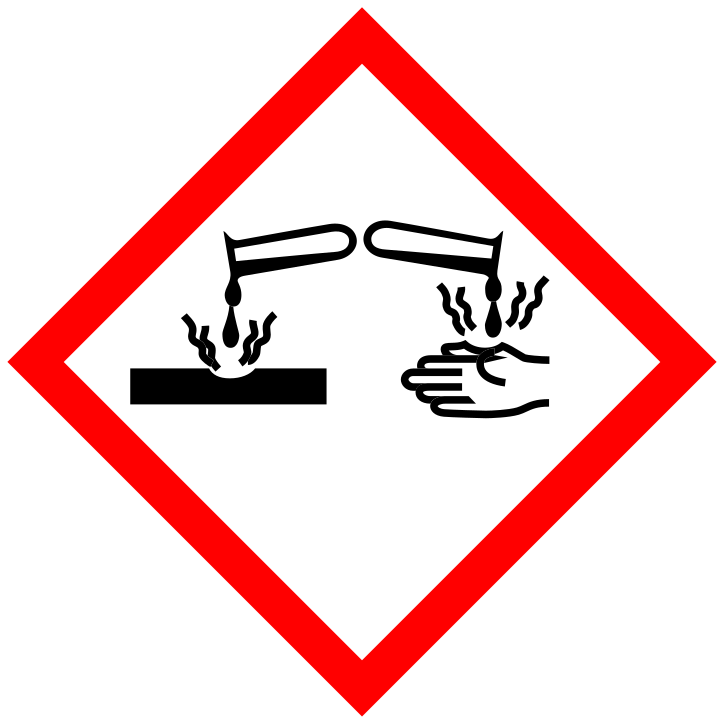
CLP-Info
- H317: May cause an allergic skin reaction.
- H319: Causes serious eye irritation.
- H410: Very toxic to aquatic life with long lasting effects.
- P273: Avoid release to the environment.
- P280: Wear protective gloves/protective clothing/eye protection/face protection.
- P305+P351+P338: IF IN EYES: Rinse cautiously with water for several minutes. Remove contact lenses, if present and easy to do. Continue rinsing.
- P501: Dispose of contents/container to an approved waste disposal plant
Tribenuron-methyl (ISO 17034 RM)
CLP-Info
- H317: May cause an allergic skin reaction.
- H410: Very toxic to aquatic life with long lasting effects.
- P273: Avoid release to the environment.
- P280: Wear protective gloves/protective clothing/eye protection/face protection.
- P501: Dispose of contents/container to
TRIBENURON-METHYL PESTANAL, 100 MG
CLP-Info
- H317: May cause an allergic skin reaction.
- H373: May cause damage to organs through prolonged or repeated exposure .
- H400: Very toxic to aquatic life.
- H410: Very toxic to aquatic life with long lasting effects.
- P260: Do not breathe dust/fume/gas/mist/vapours/spray.
- P261: Avoid breathing dust/fume/gas/mist/vapours/spray.
- P272: Contaminated work clothing should not be allowed out of the workplace.
- P273: Avoid release to the environment.
- P280: Wear protective gloves/protective clothing/eye protection/face protection.
- P302+P352: IF ON SKIN: Wash with plenty of water/
- P314: Get medical advice/attention if you feel unwell.
- P321: Specific treatment (see on this label).
- P333+P313: If skin irritation or rash occurs: Get medical advice/attention.
- P362+P364: Take off contaminated clothing and wash it before reuse.
- P391: Collect spillage.
- P501: Dispose of contents/container to
Tribenuron-methyl, neat, produced according to ISO 17034
CLP-Info
- H312: Harmful in contact with skin.
- H314: Causes severe skin burns and eye damage.
- H330: Fatal if inhaled.
- P260: Do not breathe dust/fume/gas/mist/vapours/spray.
- P280: Wear protective gloves/protective clothing/eye protection/face protection.
- P284: [In case of inadequate ventilation] wear respiratory protection.
- P310: Immediately call a POISON CENTER/doctor/
TRICHLORO(PHENYL)SILANE, >=97.0%
CLP-Info
- H314: Causes severe skin burns and eye damage.
- H335: May cause respiratory irritation.
- P280: Wear protective gloves/protective clothing/eye protection/face protection.
- P301+P330+P331: IF SWALLOWED: Rinse mouth. Do NOT induce vomiting.
- P305+P351+P338: IF IN EYES: Rinse cautiously with water for several minutes. Remove contact lenses, if present and easy to do. Continue rinsing.
Trichloroctadecylsilane for synthesis
CLP-Info
- H272: May intensify fire; oxidiser.
- H302: Harmful if swallowed.
- H314: Causes severe skin burns and eye damage.
- H319: Causes serious eye irritation.
- H335: May cause respiratory irritation.
- H410: Very toxic to aquatic life with long lasting effects.
- EUH031: Contact with acids liberates toxic gas.
- P210: Keep away from heat, hot surfaces, sparks, open flames and other ignition sources. No smoking.
Trichloroisocyanuric acid 0.98
CLP-Info
- H272: May intensify fire; oxidiser.
- H302: Harmful if swallowed.
- H319: Causes serious eye irritation.
- H335: May cause respiratory irritation.
- H410: Very toxic to aquatic life with long lasting effects.
- P273: Avoid release to the environment.
- P304+P340: IF INHALED: Remove person to fresh air and keep comfortable for breathing.
- P305+P351+P338: IF IN EYES: Rinse cautiously with water for several minutes. Remove contact lenses, if present and easy to do. Continue rinsing.
Trichloroisocyanuric acid for synthesis
CLP-Info
- H272: May intensify fire; oxidiser.
- H302: Harmful if swallowed.
- H319: Causes serious eye irritation.
- H335: May cause respiratory irritation.
- H400: Very toxic to aquatic life.
- H410: Very toxic to aquatic life with long lasting effects.
- EUH031: Contact with acids liberates toxic gas.
- P220: Keep away from clothing and other combustible materials.
- P305+P351+P338: IF IN EYES: Rinse cautiously with water for several minutes. Remove contact lenses, if present and easy to do. Continue rinsing.
- P405: Store locked up.
Trichloroisocyanuric acid, 90+%
CLP-Info
- H225: Highly flammable liquid and vapour.
- H315: Causes skin irritation.
- H319: Causes serious eye irritation.
- H335: May cause respiratory irritation.
- P302+P352: IF ON SKIN: Wash with plenty of water/
- P304+P340: IF INHALED: Remove person to fresh air and keep comfortable for breathing.
- P305+P351+P338: IF IN EYES: Rinse cautiously with water for several minutes. Remove contact lenses, if present and easy to do. Continue rinsing.
- P403+P235: Store in a well-ventilated place. Keep cool.
TRICHLOROMETHYLSILANE FOR SYNTHESIS
CLP-Info
- H225: Highly flammable liquid and vapour.
- H302: Harmful if swallowed.
- H311: Toxic in contact with skin.
- H314: Causes severe skin burns and eye damage.
- H332: Harmful if inhaled.
- P210: Keep away from heat, hot surfaces, sparks, open flames and other ignition sources. No smoking.
- P280: Wear protective gloves/protective clothing/eye protection/face protection.
- P310: Immediately call a POISON CENTER/doctor/
TRICHLOROVINYLSILANE, 97%
Trichlorphenylsilan zur Synthese
CLP-Info
- H302: Harmful if swallowed.
TRICYCLAZOL PESTANAL (5-METHYL- 1,2,4- TR
CLP-Info
- H315: Causes skin irritation.
- H317: May cause an allergic skin reaction.
- H319: Causes serious eye irritation.
- P280: Wear protective gloves/protective clothing/eye protection/face protection.
- P305+P351+P338: IF IN EYES: Rinse cautiously with water for several minutes. Remove contact lenses, if present and easy to do. Continue rinsing.
Tricyclazole (ISO 17034 RM)