Filter products
Volumetric standards (buffers)
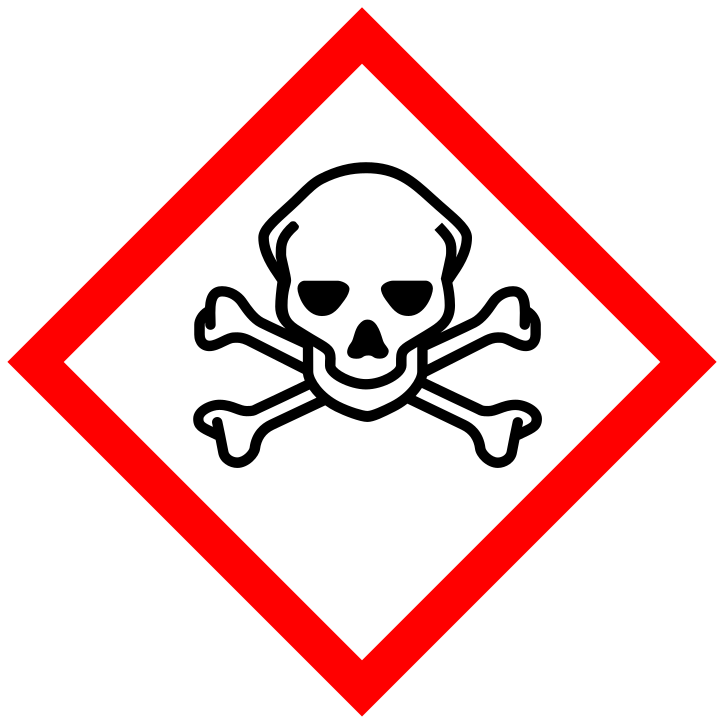
CLP-Info
- H360FD: May damage fertility. May damage the unborn child.
- P201: Obtain special instructions before use.
- P202: Do not handle until all safety precautions have been read and understood.
- P308+P313: IF exposed or concerned: Get medical advice/attention.
- P405: Store locked up.
Buffer pH 8 RPE - For analysis - ISO
CLP-Info
- H360FD: May damage fertility. May damage the unborn child.
- P201: Obtain special instructions before use.
- P202: Do not handle until all safety precautions have been read and understood.
- P308+P313: IF exposed or concerned: Get medical advice/attention.
- P405: Store locked up.
Buffer pH 8 RS, for analysis - Certified Reference Material ISO 17034, Composition : Boric Acid/ Sodium Chloride/ Sodium Hydroxide
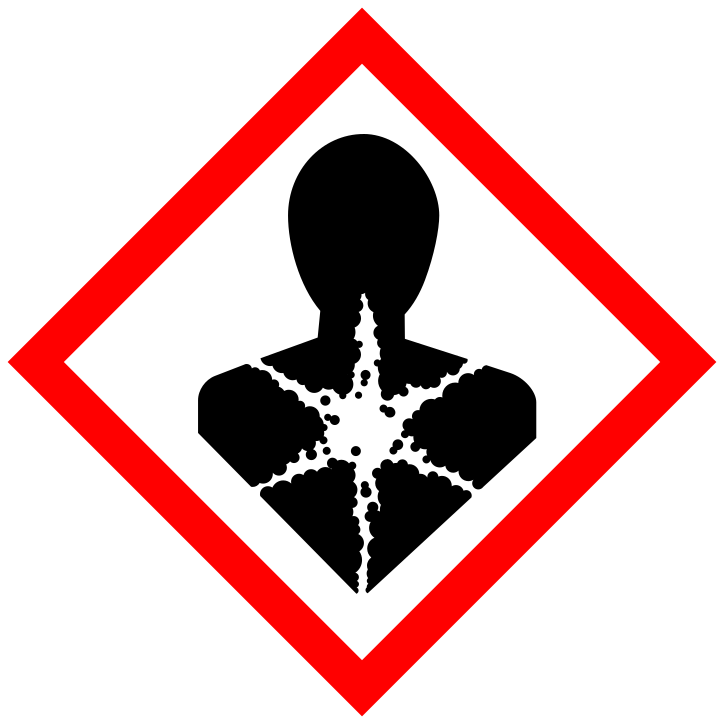
CLP-Info
- H360FD: May damage fertility. May damage the unborn child.
- P201: Obtain special instructions before use.
- P202: Do not handle until all safety precautions have been read and understood.
- P308+P313: IF exposed or concerned: Get medical advice/attention.
- P405: Store locked up.
Buffer pH 8 RS, for analysis - Certified Reference Material ISO 17034, Composition : Boric Acid/ Sodium Chloride/ Sodium Hydroxide
CLP-Info
- H360FD: May damage fertility. May damage the unborn child.
- P201: Obtain special instructions before use.
- P202: Do not handle until all safety precautions have been read and understood.
- P280: Wear protective gloves/protective clothing/eye protection/face protection.
- P308+P313: IF exposed or concerned: Get medical advice/attention.
- P405: Store locked up.
- P501: Dispose of contents/container to
Buffer pH 9 RPE - For analysis - ACS
CLP-Info
- H360FD: May damage fertility. May damage the unborn child.
- P201: Obtain special instructions before use.
- P202: Do not handle until all safety precautions have been read and understood.
- P308+P313: IF exposed or concerned: Get medical advice/attention.
- P405: Store locked up.
Buffer pH 9 RPE - For analysis - ACS - Reag. Ph.Eur. - Reag. USP
Buffer pH 9 RPE - NORMEX - For analysis
CLP-Info
- H360FD: May damage fertility. May damage the unborn child.
- P201: Obtain special instructions before use.
- P202: Do not handle until all safety precautions have been read and understood.
- P308+P313: IF exposed or concerned: Get medical advice/attention.
- P405: Store locked up.
Buffer pH 9 RS, for analysis - Certified Reference Material ISO 17034, Composition : Boric Acid/ Potassium Chloride/ Sodium Hydroxide
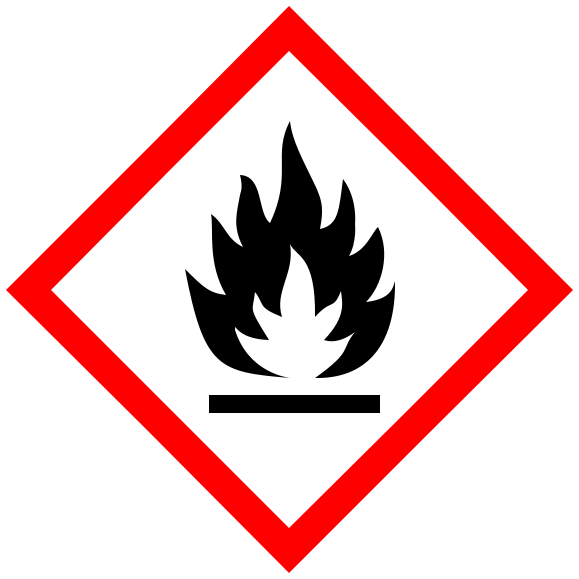
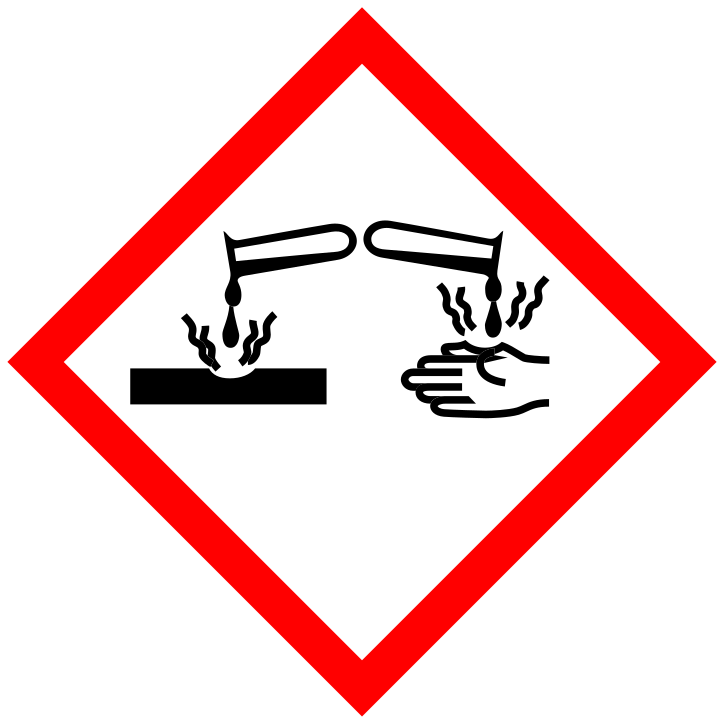
CLP-Info
- H226: Flammable liquid and vapour.
- H290: May be corrosive to metals.
- H314: Causes severe skin burns and eye damage.
- H331: Toxic if inhaled.
- H336: May cause drowsiness or dizziness.
- H341: Suspected of causing genetic defects .
- H351: Suspected of causing cancer .
- H361d: Suspected of damaging the unborn child.
- H372: Causes damage to organs through prolonged or repeated exposure .
- P201: Obtain special instructions before use.
- P210: Keep away from heat, hot surfaces, sparks, open flames and other ignition sources. No smoking.
- P260: Do not breathe dust/fume/gas/mist/vapours/spray.
- P303+P361+P353: IF ON SKIN (or hair): Take off immediately all contaminated clothing. Rinse skin with water [or shower].
- P305+P351+P338: IF IN EYES: Rinse cautiously with water for several minutes. Remove contact lenses, if present and easy to do. Continue rinsing.
- P308+P311: IF exposed or concerned: Call a POISON CENTER/doctor/
- P501: Dispose of contents/container to
Mixture for determination of the bromine index, acc. to ASTM D5776-99
Suitable for manual and automatic titrations. Stability is proven (either opened or unopened) for the entire shelf life. Tested acc. to ISO17025.
Clear, colourless DIN value pH buffer solutions. Tested at 25 °C and certified by Reagecon's ISO 17025 accredited test method. NIST traceable and presented in 500 ml bottles.Other pack sizes available upon request.
CLP-Info
- H302: Harmful if swallowed.
- H317: May cause an allergic skin reaction.
- H319: Causes serious eye irritation.
- P280: Wear protective gloves/protective clothing/eye protection/face protection.
- P302+P352: IF ON SKIN: Wash with plenty of water/
- P305+P351+P338: IF IN EYES: Rinse cautiously with water for several minutes. Remove contact lenses, if present and easy to do. Continue rinsing.
INDICATOR BUFFER TABLETS FOR THE DETERMINATION OF WATER HARDNESS WITH TITRIPLEX SOLUTIONS
CLP-Info
- H290: May be corrosive to metals.
- H315: Causes skin irritation.
- H319: Causes serious eye irritation.
- H373: May cause damage to organs through prolonged or repeated exposure .
- P234: Keep only in original packaging.
- P260: Do not breathe dust/fume/gas/mist/vapours/spray.
- P264: Wash thoroughly after handling.
- P302+P352: IF ON SKIN: Wash with plenty of water/
- P305+P351+P338: IF IN EYES: Rinse cautiously with water for several minutes. Remove contact lenses, if present and easy to do. Continue rinsing.
- P314: Get medical advice/attention if you feel unwell.
Iodide iodate solution for 1000 ml, c(I2) = 1/128 mol/l (1/64 N) Titrisol®
CLP-Info
- H360: May damage fertility or the unborn child .
- H373: May cause damage to organs through prolonged or repeated exposure .
- P202: Do not handle until all safety precautions have been read and understood.
- P260: Do not breathe dust/fume/gas/mist/vapours/spray.
- P280: Wear protective gloves/protective clothing/eye protection/face protection.
- P308+P313: IF exposed or concerned: Get medical advice/attention.
- P405: Store locked up.
- P501: Dispose of contents/container to to an approved waste disposal plant
Iodine solution c(I2) = 0.05 mol/l (0.1 N) Titripur® Reag. Ph Eur,Reag. USP
Micro-Flask 10ml, cl. A, w. glass Pennyhead stopper, hexagonal base, pack of 6
CLP-Info
- H315: Causes skin irritation.
- H319: Causes serious eye irritation.
- P280: Wear protective gloves/protective clothing/eye protection/face protection.
- P302+P352: IF ON SKIN: Wash with plenty of water/
- P305+P351+P338: IF IN EYES: Rinse cautiously with water for several minutes. Remove contact lenses, if present and easy to do. Continue rinsing.
- P362: Take off contaminated clothing.
Oxalic acid solution for 1000 ml, c(C2H2O4) = 0.005 mol/l (0.01 N) Titrisol®
CLP-Info
- H318: Causes serious eye damage.
- P280: Wear protective gloves/protective clothing/eye protection/face protection.
- P305+P351+P338: IF IN EYES: Rinse cautiously with water for several minutes. Remove contact lenses, if present and easy to do. Continue rinsing.
- P313: Get medical advice/attention.
Oxalic acid solution for 1000 ml, c(C2H2O4) = 0.05 mol/l (0.1 N) Titrisol®