Filter products
Volumetric standards (buffers)
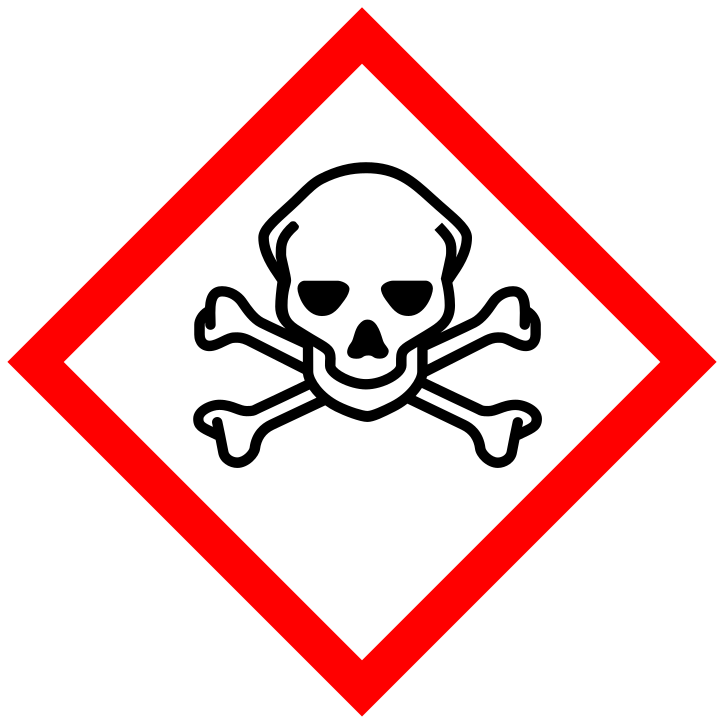
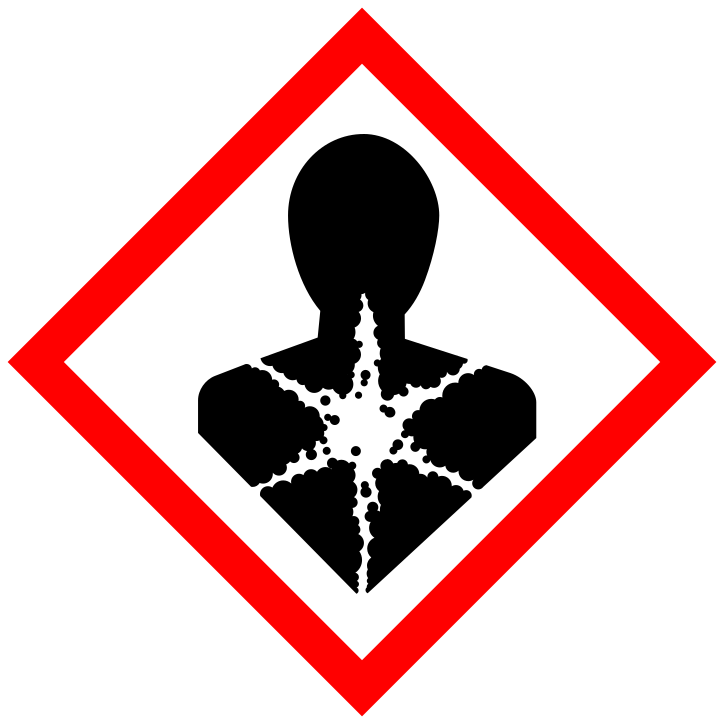
CLP-Info
- H301+H311: Toxic if swallowed or in contact with skin
- H330: Fatal if inhaled.
- H373: May cause damage to organs through prolonged or repeated exposure .
- H412: Harmful to aquatic life with long lasting effects.
- P273: Avoid release to the environment.
- P280: Wear protective gloves/protective clothing/eye protection/face protection.
- P301+P312: IF SWALLOWED: Call a POISON CENTRE/doctor/ if you feel unwell.
- P302+P352: IF ON SKIN: Wash with plenty of water/
- P405: Store locked up.
Mercury(II) nitrate solution 0.05 mol/l - 0.1 N solution
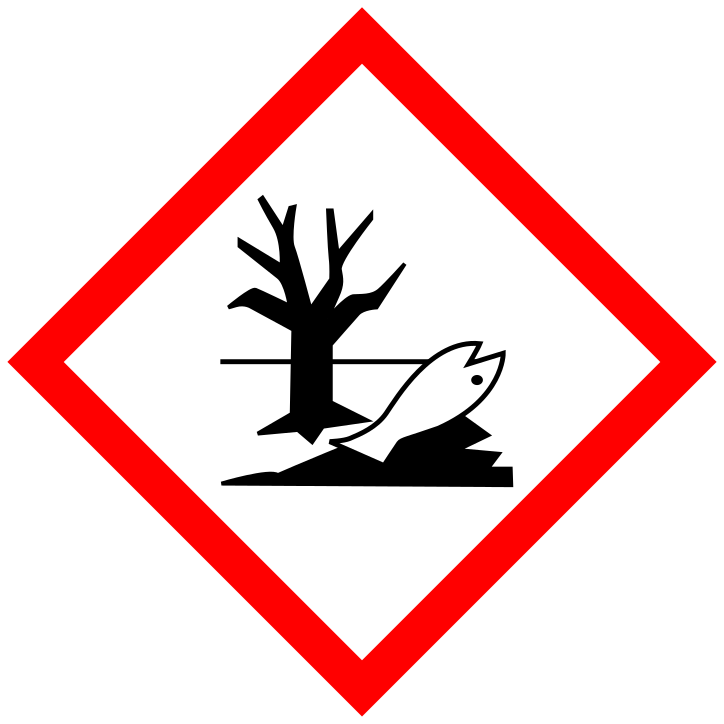
CLP-Info
- H302: Harmful if swallowed.
- H311: Toxic in contact with skin.
- H373: May cause damage to organs through prolonged or repeated exposure .
- H412: Harmful to aquatic life with long lasting effects.
- P273: Avoid release to the environment.
- P280: Wear protective gloves/protective clothing/eye protection/face protection.
- P302+P352: IF ON SKIN: Wash with plenty of water/
Mercury(II) nitrate solution c(Hg(NO3)2) = 0.05 mol/l (0.1 N) Titripur® Reag. USP

CLP-Info
- H302+H312+H332: Harmful if swallowed, in contact with skin or if inhaled
- H373: May cause damage to organs through prolonged or repeated exposure .
- P260: Do not breathe dust/fume/gas/mist/vapours/spray.
- P280: Wear protective gloves/protective clothing/eye protection/face protection.
- P301+P312: IF SWALLOWED: Call a POISON CENTRE/doctor/ if you feel unwell.
- P302+P352: IF ON SKIN: Wash with plenty of water/
- P304+P340: IF INHALED: Remove person to fresh air and keep comfortable for breathing.
- P501: Dispose of contents/container to
Mercury(II) nitrate solution 0.005 mol/l - 0.01 N solution
CLP-Info
- H302: Harmful if swallowed.
- H311: Toxic in contact with skin.
- H373: May cause damage to organs through prolonged or repeated exposure .
- H412: Harmful to aquatic life with long lasting effects.
Mercury(II) nitrate solution, 0,02 mol/l volumetric solution Reag.Ph.Eur.
CLP-Info
- H373: May cause damage to organs through prolonged or repeated exposure .
- H412: Harmful to aquatic life with long lasting effects.
- P273: Avoid release to the environment.
Mercury(II) nitrate solution Volumetric, 0.005 M Hg(NO3)2 (0.01N), for the determination of chloride
MES 1-hydrate for buffer solutions
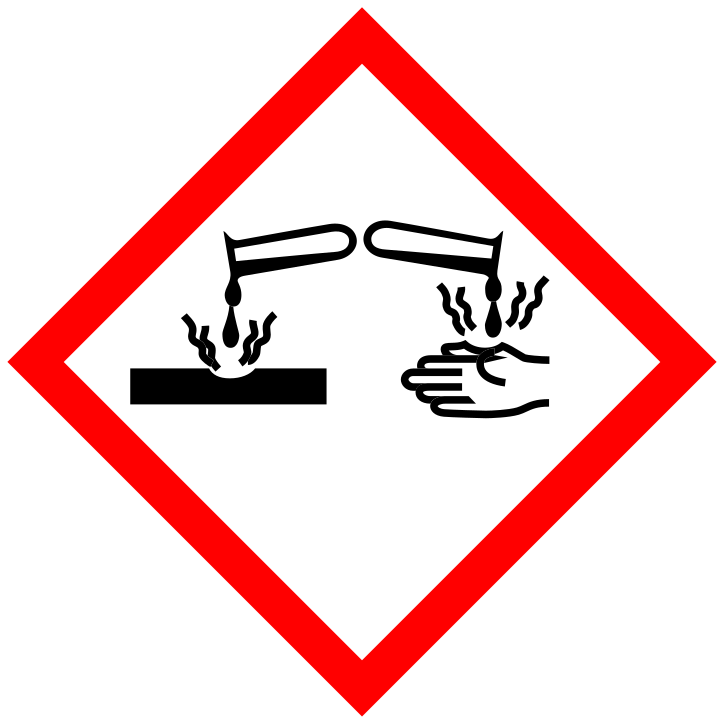
CLP-Info
- H290: May be corrosive to metals.
- H314: Causes severe skin burns and eye damage.
- P260: Do not breathe dust/fume/gas/mist/vapours/spray.
- P303+P361+P353: IF ON SKIN (or hair): Take off immediately all contaminated clothing. Rinse skin with water [or shower].
- P305+P351+P338: IF IN EYES: Rinse cautiously with water for several minutes. Remove contact lenses, if present and easy to do. Continue rinsing.
- P310: Immediately call a POISON CENTER/doctor/
- P405: Store locked up.
- P501: Dispose of contents/container to
Molybdenum sulfuric acid R 2 reag. Ph. Eur., chapter 4.1.1
CLP-Info
- H290: May be corrosive to metals.
- H314: Causes severe skin burns and eye damage.
- P260: Do not breathe dust/fume/gas/mist/vapours/spray.
- P303+P361+P353: IF ON SKIN (or hair): Take off immediately all contaminated clothing. Rinse skin with water [or shower].
- P305+P351+P338: IF IN EYES: Rinse cautiously with water for several minutes. Remove contact lenses, if present and easy to do. Continue rinsing.
- P310: Immediately call a POISON CENTER/doctor/
- P405: Store locked up.
- P501: Dispose of contents/container to
Molybdenum sulfuric acid R 3 reag. Ph. Eur., chapter 4.1.1
MOPS-EDTA-Sodium Acetate (MESA), powder for RNA electrophoresis buffer
N-(2-ACETAMIDO)-2AMINOETHANE- SULFONIC ACID BUFFER SUBST. ACES
CLP-Info
- H410: Very toxic to aquatic life with long lasting effects.
- P273: Avoid release to the environment.
- P391: Collect spillage.
- P501: Dispose of contents/container to
N-Cetyl-N,N,N-trimethyl ammonium bromide solution 0.015 mol/l - 0.015 M solution (CTAB solution)
Na-EDTA for trace analysis c(EDTA) = 0.01 mol / l auxiliary solvent for METROHM
CLP-Info
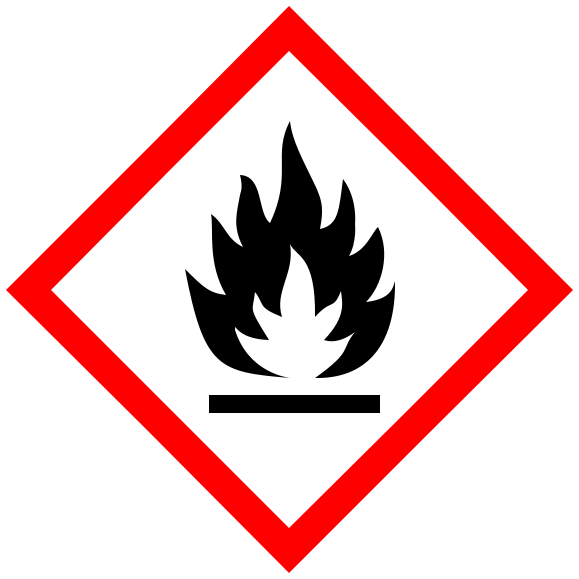
- H226: Flammable liquid and vapour.
- H314: Causes severe skin burns and eye damage.
- P210: Keep away from heat, hot surfaces, sparks, open flames and other ignition sources. No smoking.
- P260: Do not breathe dust/fume/gas/mist/vapours/spray.
- P303+P361+P353: IF ON SKIN (or hair): Take off immediately all contaminated clothing. Rinse skin with water [or shower].
- P305+P351+P338: IF IN EYES: Rinse cautiously with water for several minutes. Remove contact lenses, if present and easy to do. Continue rinsing.
- P310: Immediately call a POISON CENTER/doctor/
- P405: Store locked up.
- P501: Dispose of contents/container to
Naphtholbenzein solution R reag. Ph. Eur., chapter 4.1.1
NATRIUM-EDTA-SOLUTION 0,1 MOL/L - 1/10 M SOLUTION TITRANT FOR METROHM
NATRIUMMETHYLATLOESUNG
CLP-Info
- H290: May be corrosive to metals.
- H314: Causes severe skin burns and eye damage.
- P280: Wear protective gloves/protective clothing/eye protection/face protection.
- P301+P330+P331: IF SWALLOWED: Rinse mouth. Do NOT induce vomiting.
- P305+P351+P338: IF IN EYES: Rinse cautiously with water for several minutes. Remove contact lenses, if present and easy to do. Continue rinsing.
SODIUM HYDROXIDE SOLUTION MIN. 45% FOR ANALYSIS EMSURE®
Neutralising solution B
Neutralizing Buffer, für Northern- und Southern-Blotting, Pulver
Nickel solution (10 ppm Ni) R Reag. Ph. Eur., chapter 4.1.2
CLP-Info
- H317: May cause an allergic skin reaction.
- H334: May cause allergy or asthma symptoms or breathing difficulties if inhaled.
- H341: Suspected of causing genetic defects .
- H350i: May cause cancer by inhalation.
- H360D: May damage the unborn child.
- H372: Causes damage to organs through prolonged or repeated exposure .
- H411: Toxic to aquatic life with long lasting effects.
- P201: Obtain special instructions before use.
- P202: Do not handle until all safety precautions have been read and understood.
- P260: Do not breathe dust/fume/gas/mist/vapours/spray.
- P273: Avoid release to the environment.
- P405: Store locked up.
- P501: Dispose of contents/container to
Nickel(II) sulfate solution 0.1 mol/ l - 0.1 M solution adjusted with Na-EDTA