Filter products
Search results
di-Sodium tartrate dihydrate p. a., ACS (min. 99.5 %)
CLP-Info
- H302: Harmful if swallowed.
- H312: Harmful in contact with skin.
- P302+P352: IF ON SKIN: Wash with plenty of water/
Dipotassium oxalate monohydrate p. a., ACS (min. 99.5 %)
CLP-Info
- H225: Highly flammable liquid and vapour.
- H319: Causes serious eye irritation.
- H336: May cause drowsiness or dizziness.
- EUH066: Repeated exposure may cause skin dryness or cracking.
- P210: Keep away from heat, hot surfaces, sparks, open flames and other ignition sources. No smoking.
- P240: Ground and bond container and receiving equipment.
- P305+P351+P338: IF IN EYES: Rinse cautiously with water for several minutes. Remove contact lenses, if present and easy to do. Continue rinsing.
- P403+P233: Store in a well-ventilated place. Keep container tightly closed.
- P501: Dispose of contents/container to
Acetone VLSI ppb grade (99.8 - 100.0 %)
CLP-Info
- H302+H312+H332: Harmful if swallowed, in contact with skin or if inhaled
- H412: Harmful to aquatic life with long lasting effects.
- EUH032: Contact with acids liberates very toxic gas.
Potassium thiocyanate p. a., ACS, ISO, Ph. Eur. (min. 99.0 %)
CLP-Info
- H302+H312+H332: Harmful if swallowed, in contact with skin or if inhaled
- H412: Harmful to aquatic life with long lasting effects.
- EUH032: Contact with acids liberates very toxic gas.
Potassium thiocyanate puriss. (min. 98.0 %)
Rubidium chloride p. a. (min. 99.5 %)
CLP-Info
- H260: In contact with water releases flammable gases which may ignite spontaneously.
- H301+H311: Toxic if swallowed or in contact with skin
- H314: Causes severe skin burns and eye damage.
- P280: Wear protective gloves/protective clothing/eye protection/face protection.
- P301+P330+P331: IF SWALLOWED: Rinse mouth. Do NOT induce vomiting.
- P302+P352: IF ON SKIN: Wash with plenty of water/
- P305+P351+P338: IF IN EYES: Rinse cautiously with water for several minutes. Remove contact lenses, if present and easy to do. Continue rinsing.
- P308+P311: IF exposed or concerned: Call a POISON CENTER/doctor/
- P501: Dispose of contents/container to local/regional/national/international regulations
Sodium borohydride p. a. (min. 95 %)
CLP-Info
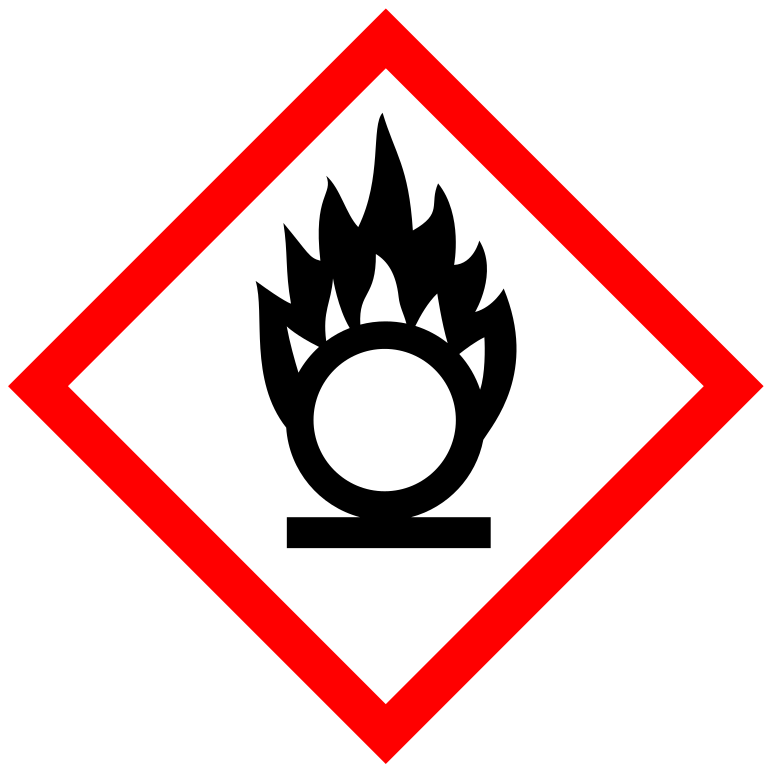
- H272: May intensify fire; oxidiser.
- H301: Toxic if swallowed.
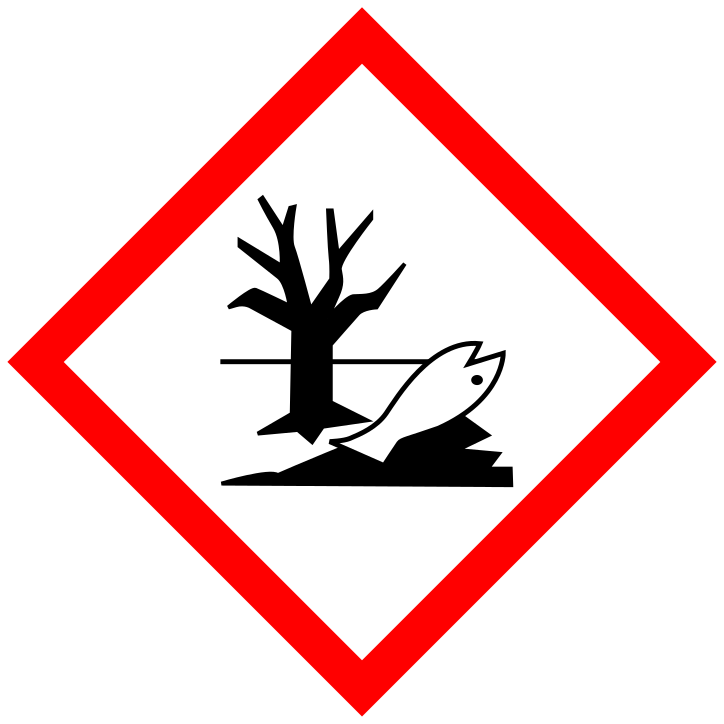
- H400: Very toxic to aquatic life.
- P273: Avoid release to the environment.
- P501: Dispose of contents/container to
Sodium nitrite pure (min. 98.0 %)
CLP-Info
- H225: Highly flammable liquid and vapour.
- H302+H312+H332: Harmful if swallowed, in contact with skin or if inhaled
- H319: Causes serious eye irritation.
- P210: Keep away from heat, hot surfaces, sparks, open flames and other ignition sources. No smoking.
- P241: Use explosion-proof [electrical/ventilating/lighting/] equipment.
- P280: Wear protective gloves/protective clothing/eye protection/face protection.
- P303+P361+P353: IF ON SKIN (or hair): Take off immediately all contaminated clothing. Rinse skin with water [or shower].
- P305+P351+P338: IF IN EYES: Rinse cautiously with water for several minutes. Remove contact lenses, if present and easy to do. Continue rinsing.
- P501: Dispose of contents/container to
Acetonitrile HPLC prep grade (min. 99.9 %)
CLP-Info
- H302: Harmful if swallowed.
- H315: Causes skin irritation.
- H318: Causes serious eye damage.
- P280: Wear protective gloves/protective clothing/eye protection/face protection.
- P302+P352: IF ON SKIN: Wash with plenty of water/
- P501: Dispose of contents/container to
Iron(III) chloride hexahydrate puriss. (min. 99.0 %)
CLP-Info
- H302: Harmful if swallowed.
- H315: Causes skin irritation.
- H318: Causes serious eye damage.
- P280: Wear protective gloves/protective clothing/eye protection/face protection.
- P302+P352: IF ON SKIN: Wash with plenty of water/
- P305+P351+P338: IF IN EYES: Rinse cautiously with water for several minutes. Remove contact lenses, if present and easy to do. Continue rinsing.
- P501: Dispose of contents/container to
Iron(II) chloride tetrahydrate p. a. (min. 99.0 %)
CLP-Info
- H290: May be corrosive to metals.
- H314: Causes severe skin burns and eye damage.
- P280: Wear protective gloves/protective clothing/eye protection/face protection.
- P301+P330+P331: IF SWALLOWED: Rinse mouth. Do NOT induce vomiting.
- P308+P311: IF exposed or concerned: Call a POISON CENTER/doctor/
- P501: Dispose of contents/container to
Sodium hydroxide 25 % w/w p. a.
CLP-Info
- H290: May be corrosive to metals.
- H302: Harmful if swallowed.
- H317: May cause an allergic skin reaction.
- H411: Toxic to aquatic life with long lasting effects.
- P260: Do not breathe dust/fume/gas/mist/vapours/spray.
- P262: Do not get in eyes, on skin, or on clothing.
- P280: Wear protective gloves/protective clothing/eye protection/face protection.
- P301+P312: IF SWALLOWED: Call a POISON CENTRE/doctor/ if you feel unwell.
- P302+P352: IF ON SKIN: Wash with plenty of water/
- P390: Absorb spillage to prevent material damage.
- P406: Store in a corrosion-resistant/ container with a resistant inner liner.
- P501: Dispose of contents/container to
Chromium(III) chloride hexahydrate p. a. (min. 98.0 %)
Magnesium acetate tetrahydrate p. a., ACS (min. 99.5 %)
Tap for 25 l canister DIN 61
CLP-Info
- H226: Flammable liquid and vapour.
- H314: Causes severe skin burns and eye damage.
- P210: Keep away from heat, hot surfaces, sparks, open flames and other ignition sources. No smoking.
- P280: Wear protective gloves/protective clothing/eye protection/face protection.
- P303+P361+P353: IF ON SKIN (or hair): Take off immediately all contaminated clothing. Rinse skin with water [or shower].
- P304+P340: IF INHALED: Remove person to fresh air and keep comfortable for breathing.
- P305+P351+P338: IF IN EYES: Rinse cautiously with water for several minutes. Remove contact lenses, if present and easy to do. Continue rinsing.
- P501: Dispose of contents/container to
Iodine solution 0.1 mol/l (0.2 N) acc. to Hanus, traceable to SRM 136f NIST
CLP-Info
- H351: Suspected of causing cancer .
- P201: Obtain special instructions before use.
- P202: Do not handle until all safety precautions have been read and understood.
- P280: Wear protective gloves/protective clothing/eye protection/face protection.
- P308+P313: IF exposed or concerned: Get medical advice/attention.
- P405: Store locked up.
- P501: Dispose of contents/container to local/regional/national/international regulations
Dichloromethane Residue grade for pesticide and residue analysis (min. 99.9 %, stabilised with amylene)
CLP-Info
- H225: Highly flammable liquid and vapour.
- H304: May be fatal if swallowed and enters airways.
- H315: Causes skin irritation.
- H336: May cause drowsiness or dizziness.
- H411: Toxic to aquatic life with long lasting effects.
- P210: Keep away from heat, hot surfaces, sparks, open flames and other ignition sources. No smoking.
- P241: Use explosion-proof [electrical/ventilating/lighting/] equipment.
- P280: Wear protective gloves/protective clothing/eye protection/face protection.
- P303+P361+P353: IF ON SKIN (or hair): Take off immediately all contaminated clothing. Rinse skin with water [or shower].
- P304+P340: IF INHALED: Remove person to fresh air and keep comfortable for breathing.
- P403+P233: Store in a well-ventilated place. Keep container tightly closed.
Petroleum benzine Residue grade for pesticide and residue analysis (boiling range 40 − 65 °C)
CLP-Info
- H226: Flammable liquid and vapour.
- H312+H332: Harmful in contact with skin or if inhaled
- H315: Causes skin irritation.
- P210: Keep away from heat, hot surfaces, sparks, open flames and other ignition sources. No smoking.
- P260: Do not breathe dust/fume/gas/mist/vapours/spray.
- P280: Wear protective gloves/protective clothing/eye protection/face protection.
- P302+P352: IF ON SKIN: Wash with plenty of water/
- P304+P340: IF INHALED: Remove person to fresh air and keep comfortable for breathing.
- P312: Call a POISON CENTRE/doctor/ if you feel unwell.
- P403+P235: Store in a well-ventilated place. Keep cool.
- P501: Dispose of contents/container to
Xylene technical grade
CLP-Info
- H302: Harmful if swallowed.
- H400: Very toxic to aquatic life.
- P273: Avoid release to the environment.
- P501: Dispose of contents/container to
Sodium diethyldithiocarbamate trihydrate p. a., ACS (min. 97.0 %) (Reagent for copper determination)